
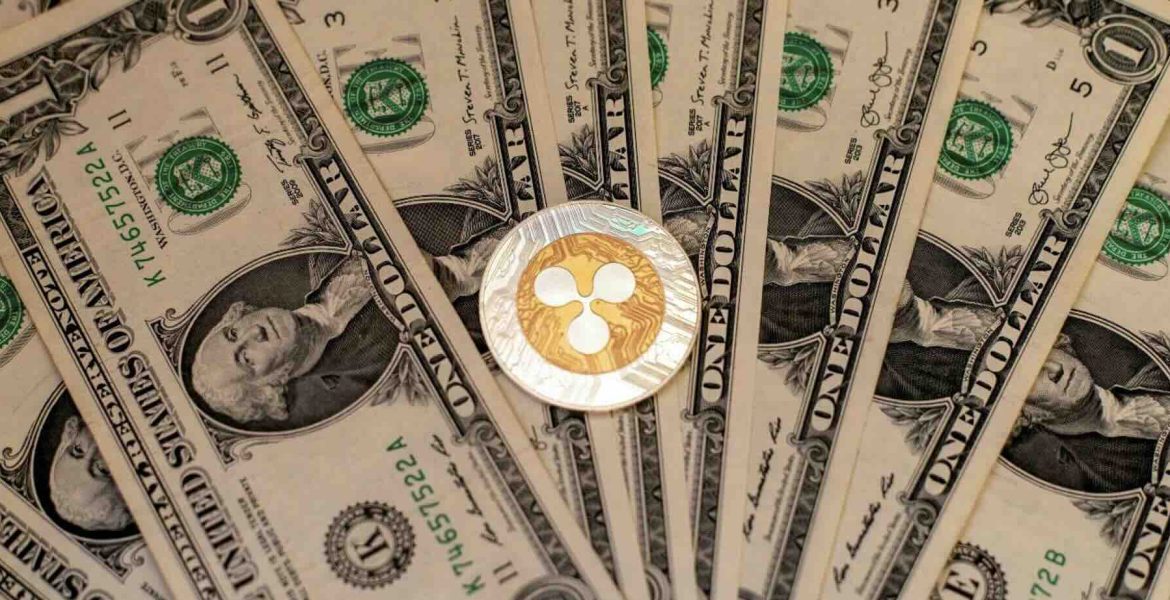
The crypto market heading into 2026 isn’t polite, patient, or forgiving. It’s overcrowded, loud, and ruthless, packed with projects screaming for attention while only a handful actually earn relevance. And XRP? XRP isn’t trying to scream anymore. It’s standing still, watching the chaos, choosing its moments. If you follow XRP news today, you already know the narrative has shifted away from survival, away from courtroom drama, toward strategy, positioning, and execution in a market that finally feels ready for what XRP has been quietly building all along. Because competition in crypto isn’t about who launches the flashiest update or trends for 48 hours on social media. In 2026, competition is about who gets used, who integrates with real systems, and who becomes infrastructure instead of entertainment. And XRP knows exactly where it wants to stand when the dust settles.
XRP isn’t fighting for hype, it’s fighting for relevance
Most crypto projects still behave like startups desperate for attention, chasing headlines, influencers, and speculative volume. XRP doesn’t play that game anymore. Its strategy for 2026 isn’t about being loved by retail traders; it’s about being needed by institutions, banks, payment providers, and cross-border settlement systems that don’t care about memes or narratives. That’s how XRP plans to compete: by stepping outside the crypto echo chamber entirely. While other projects argue about TPS and roadmap promises, XRP positions itself as plumbing invisible when it works, impossible to ignore when it’s gone. In a market saturated with experimentation, XRP is selling reliability, speed, and regulatory compatibility.
Regulation as a weapon, not a weakness
Here’s the uncomfortable truth many crypto projects don’t want to face: regulation isn’t going away. In 2026, it will be deeper, sharper, and more selective. XRP’s competitive edge is that it stopped pretending regulation was the enemy years ago. While other networks scramble to retrofit compliance into systems never designed for it, XRP has already walked through fire and survived. That history gives it leverage. Banks and institutions don’t want “innovative chaos” they want legal clarity, predictable frameworks, and assets that won’t collapse under regulatory pressure. XRP plans to compete by being the asset that regulators understand. That alone will eliminate half of its competition before the race even starts.
Speed and cost aren’t selling points, they’re table stakes
Yes, XRP is fast. Yes, it’s cheap. But in 2026, those aren’t differentiators, they’re minimum requirements. What matters is consistency at scale. XRP’s ledger doesn’t just process transactions quickly; it does so without congestion spikes, unpredictable fees, or network drama every time usage increases. That’s how XRP plans to survive competition from newer chains boasting flashy benchmarks. When real money moves payrolls, remittances, and institutional settlements, reliability beats novelty every time. XRP isn’t trying to win benchmark wars. It’s trying to win trust wars.
Liquidity is the battlefield that actually matters
Whitepapers don’t decide crypto competition; it’s decided by liquidity. XRP’s strategy in 2026 centers on deepening liquidity corridors in regions where cross-border payments are expensive, slow, and broken. Every new corridor makes XRP harder to replace. Every partnership embeds it deeper into systems that competitors can’t easily disrupt. While other altcoins compete for attention on centralized exchanges, XRP competes for relevance in financial flows most retail investors never see, and that’s exactly the point.
Interoperability over isolation
One of the quiet killers of crypto projects is isolation. Ecosystems that refuse to integrate eventually suffocate themselves. XRP’s competitive strategy leans heavily on interoperability, not dominance, not exclusivity, but coexistence. In 2026, XRP doesn’t need to replace every blockchain. It just needs to connect them efficiently. Acting as a bridge asset between systems, currencies, and networks is how it stays relevant even as new competitors emerge. Instead of fighting the entire market, XRP positions itself between markets where friction lives and value concentrates.
Competing without chasing retail sentiment
Retail hype is volatile. It builds fast and evaporates faster. XRP’s approach deliberately avoids relying on emotional retail cycles. That doesn’t mean retail investors are ignored, it means they’re not the foundation. XRP’s competition strategy is built around long-term utility adoption. When usage grows organically through institutional demand, retail interest follows naturally. It’s slower. It’s quieter. But it’s harder to kill.
The psychological shift: XRP doesn’t need to be loved
Here’s where XRP truly separates itself from the pack. It doesn’t need to be the most talked-about coin. It doesn’t need to trend daily. It doesn’t need influencers defending it every time the market shakes. In 2026, XRP competes by embracing something most crypto projects fear: neutrality. It positions itself as infrastructure, not ideology. As a tool, not a movement. And in a market exhausted by noise, that restraint becomes power.
What happens when speculation fades?
Eventually, speculation slows. It always does. When it does, projects without real usage collapse under their own weight. XRP’s competitive plan is designed for that moment. When hype dies, when capital becomes selective, when markets demand proof instead of promises, XRP intends to already be there, integrated, operational, and boring in the best possible way.
XRP isn’t trying to outshine every competitor in 2026. It’s trying to outlast them. Its strategy isn’t loud. It isn’t flashy. It doesn’t rely on miracles. It relies on positioning itself where competition becomes irrelevant inside systems that need to function regardless of market mood. In a crypto market obsessed with being first, XRP is focused on being necessary. And that might be the most dangerous competitive strategy of all.
Article edited by Alexander Elisab