

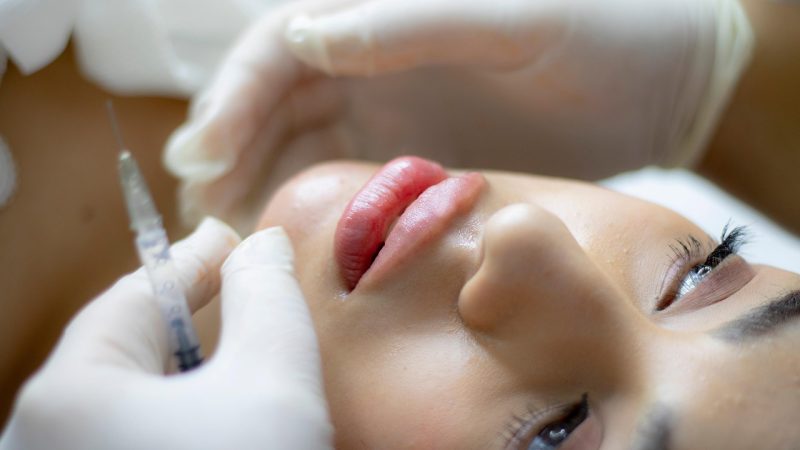
Dermal fillers are for every type of individual looking to create or enhance facial features or fullness with cosmetic products to have their face be fresh and youthful. These are non-invasive treatments designed to smooth out or plump the skin by making one of two changes to it. But before selecting this aesthetic choice, several vital components must be examined to confirm success as well as safety. Injectable fillers are gel-like materials that one can use for facial contours, lip enhancement, and volume loss. The different active ingredients in each type of filler affect the results and how long they last. There are fillers created from naturally occurring substances present in the body, and other fillers use artificial materials. They are administered by professionals like Amason Aesthetics Med Spa. Be informed about each ingredient in each product, as everyone responds differently due to varying skin types and sensitivities.
Before any cosmetic procedure, it is crucial to consider why you want treatment. Clearly identifying the desired outcome will help in determining the correct option. Some people want to treat volume loss, while others treat wrinkles in certain areas. Having those honest conversations with a trained professional can help set expectations where they need to be and avoid disappointment further down the road. Choosing a skilled practitioner will be one of your most important steps toward achieving a safe and optimal outcome. Licensed professionals with experience in injectables should perform these procedures. Credential checks and pre-reviews of your previous results on other people could ease the tension. By utilising an injector with experience, they know facial anatomy, which results in fewer complications and more natural improvements.
Ensuring safety must always come first in any cosmetic procedure. Only approved fillers from well-recognised health authorities should be included. Some products may be harmful to health or deliver poor outcomes when not regulated. Questioning where it comes from and if the filler product has been verified allows trust to grow between patients and providers. While the approach minimises complications, it does require the use of tried-and-tested materials. As with all cosmetic treatments, there is always a level of risk, and this also applies to dermal fillers. Well-known side effects involve slight redness, swelling, or bruising in the injection region. On occasion, more extreme inconveniences are conceivable, including contamination, unfavorably susceptible responses, or vascular issues. Knowing about these risks and having a discussion with a healthcare provider enables someone to make informed decisions and take notice of the warning signals.
The money spent on dermal fillers should be approached with care. Such treatments are typically short-term, necessitating ongoing maintenance treatments to uphold results. Cost depends on the type you choose, the amount required, and the experience of the practitioner. This long-term investment is not a sudden process, so if individuals are aware of it, it allows them to arrange for expenditures in advance. By keeping some budget aside for continued care, you can continue to remain happy without feeling like it is a big burden on your pocket. Setting expected objectives is crucial for the best possible experience with dermal fillers. Major results can change the appearance, but they do not always meet expectations. The outcome, however, is probabilistic in nature, dictated by skin texture, age, and underlying facial structure. An informed provider can clarify what is obtainable and avoid misconceptions about what the procedure can do.
Aftercare is another piece of the puzzle to receive the best effect and the least amount of side effects. Exceptions or specific instructions on what to avoid or follow, such as exercise, direct sunlight, etc., provided by the practitioner also help in the healing process. Regular surveillance and notification of any issues in the treated areas can avert complications. Ongoing aftercare practices mean that results are natural, subtle, and lasting. An initial consultation is a chance to ask questions, voice the concerns that brought you there and meet the practitioner. Open dialogue ensures that both parties share a common understanding of what success means. It also allows for a detailed screening of medical history and contraindications. Being open about what to expect builds confidence and alleviates fear of the surgery.
If you need dermal fillers, you should choose carefully after considering several important factors, such as who the practitioner is, what products he or she uses, your goals for the procedure, and your budget. With care and detailed reading, research, and consultation with certified professionals, you can make realistic choices and achieve satisfying and safe results. When done carefully and combined with great aftercare, the results are significantly better.
Article edited by Albert Brown