
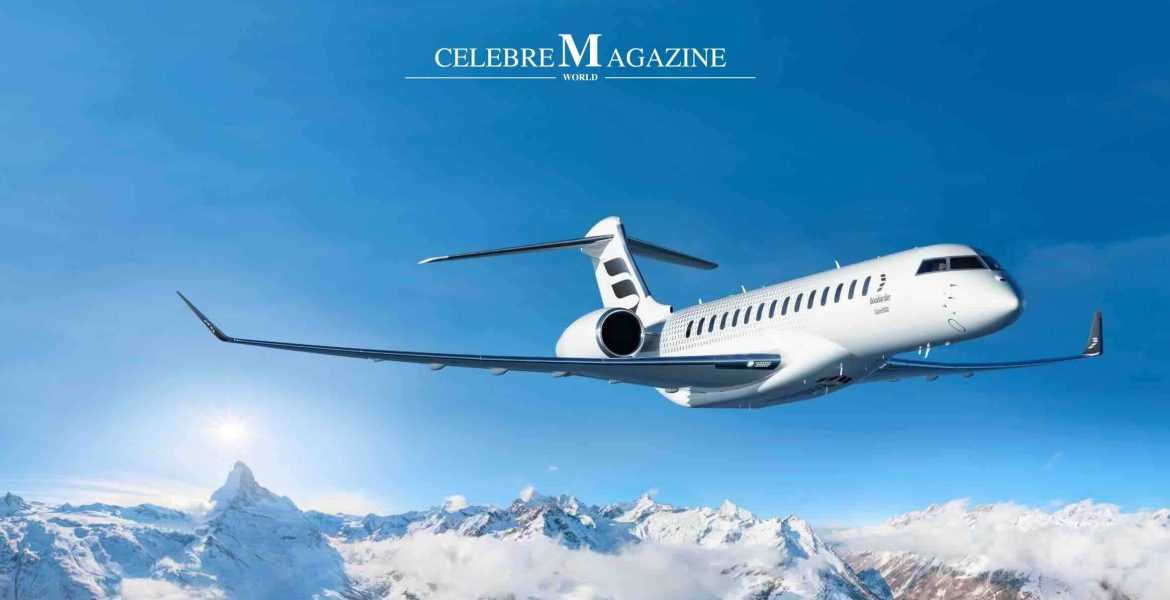
There are moments in aviation history that carry a weight beyond the purely technical. The maiden flight of Concorde was one. The introduction of the Gulfstream II, which quietly redefined what it meant to travel at altitude, was another. The arrival of the Bombardier Global 8000 on the market, with its first customer delivery completed in March 2026, belongs to that same rare category of events, one that does not merely advance the industry but compels it to reconsider its own assumptions.
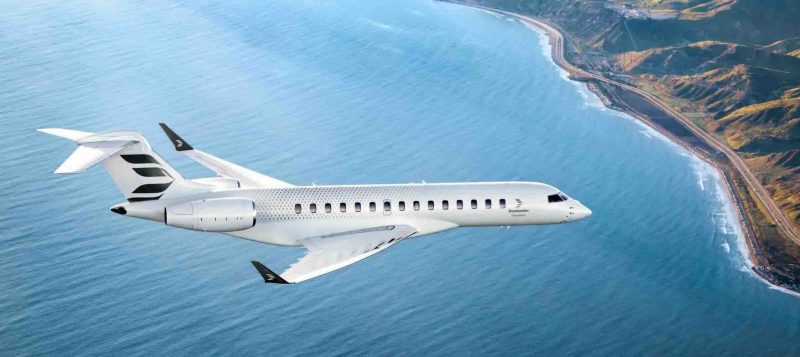
For the first time since Concorde retired from service in 2003, a civil aircraft has broken the psychological and aerodynamic barrier of Mach 0.95. That figure is not simply a number to be quoted in a brochure. At those velocities, the aircraft enters a domain that demands exceptional engineering across every discipline simultaneously, from materials science and aerodynamics to engine architecture and cabin pressurisation. Bombardier has achieved all of it, and done so whilst producing what is, by any reasonable measure, the most refined flying environment currently available to private travellers.
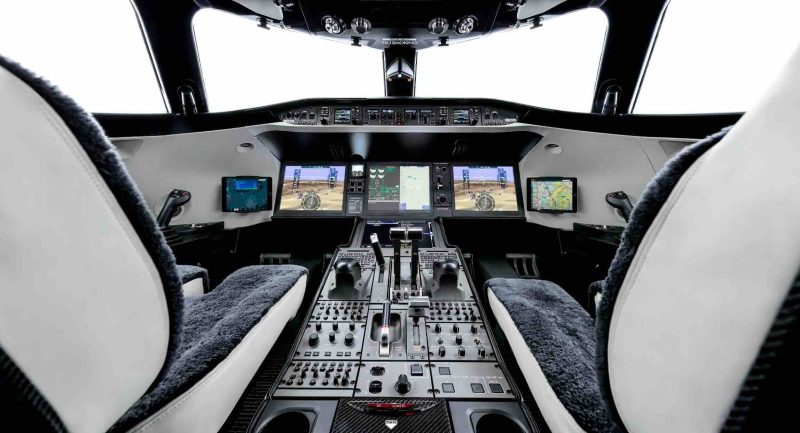
This masterpiece traces its lineage directly to the Global 7500, itself a celebrated aircraft, but the differences between the two are more than incremental. The new model delivers a range of 8,000 nautical miles, sufficient to connect London and Singapore without interruption, or New York and Dubai in a single, unbroken arc across the atmosphere. The engines, two GE Passport 20 units, were developed specifically for this programme and strike an unusual balance between the brute thrust required for high-speed cruise and the fuel economy demanded by operators whose schedules cross multiple time zones in a single day. Inside, it is arranged across four distinct zones, each conceived as a room in its own right rather than a mere cabin section. The Nuage seats, Bombardier’s signature reclining units developed over several years of ergonomic research, have been retained and refined.
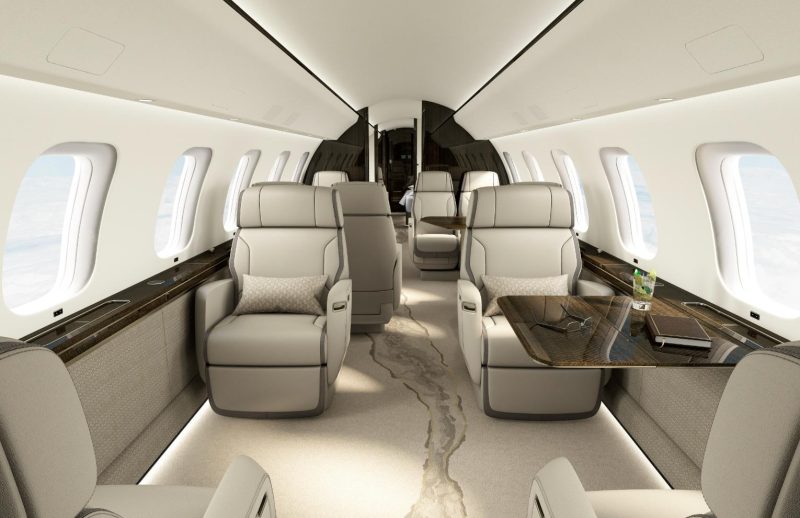
Cabin altitude is held at just 2,900 feet whilst the aircraft operates at 41,000, a figure that reduces physiological fatigue in a manner that any frequent long-haul traveller will recognise immediately, even if they could not articulate the cause. The air management system introduces continuous fresh circulation, and the noise environment within the cabin is, by the accounts of those who have already flown aboard early deliveries, genuinely remarkable. What represents is a manufacturer that has spent the better part of a decade repositioning itself at the very apex of the market.
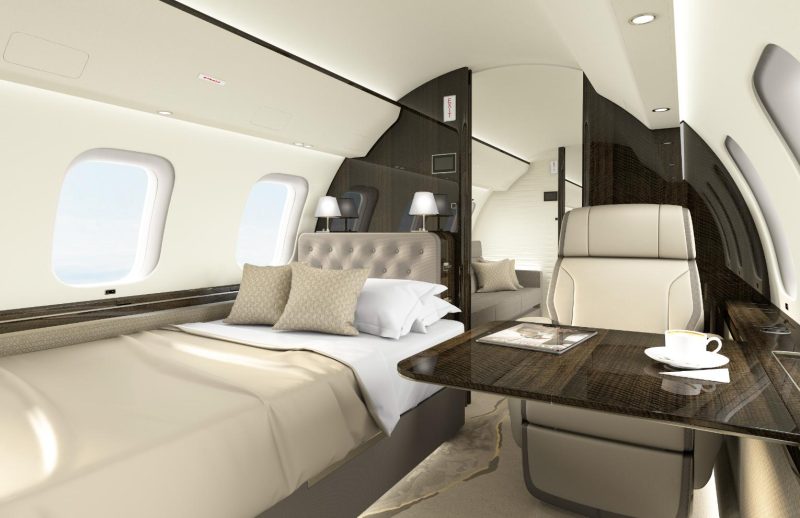
Bombardier exited the commercial aviation sector entirely and redirected its considerable engineering resources into a single, focused objective: to build the finest business aircraft in the world. In fact, is the fullest expression of that decision, and the market has responded accordingly. NetJets received the first delivery in March 2026, and the American operator Bond, whose order book with Bombardier has already expanded to a commitment approaching five billion dollars, has since accelerated its intake of Global 8000 units in response to demand that the company describes as exceptional.
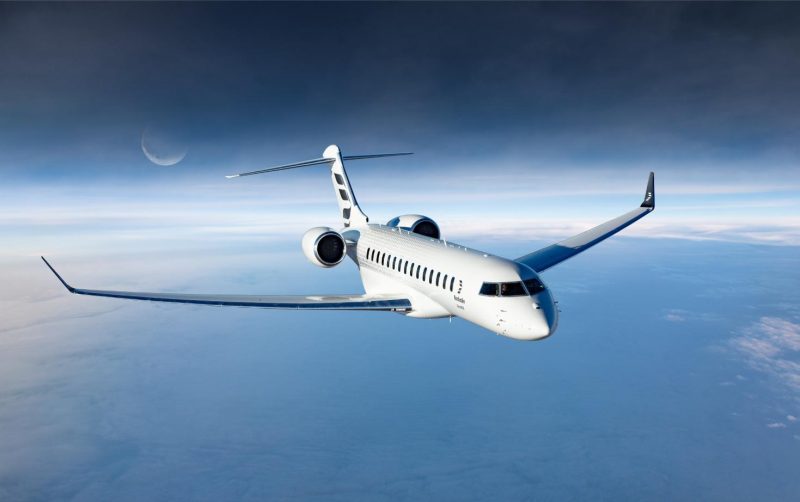
The aircraft base configuration carries a price in the region of seventy-eight million dollars, and bespoke completions regularly exceed one hundred million. But for those whose professional lives require them to arrive in Singapore from London mentally prepared for a board meeting, or to reach Houston from Dubai without the accumulated exhaustion of multiple connections and commercial terminals, the arithmetic is rather straightforward. Time, at a certain level of commercial life, has a value that renders such figures almost secondary.

The Global 8000 is the most serious private aircraft that has ever entered service. Whether one measures it by speed, range, cabin environment, or the precision of its engineering, Bombardier has built something genuinely exceptional, and the industry will be living in its shadow for some years to come.
Article edited by Raffaella Manetta