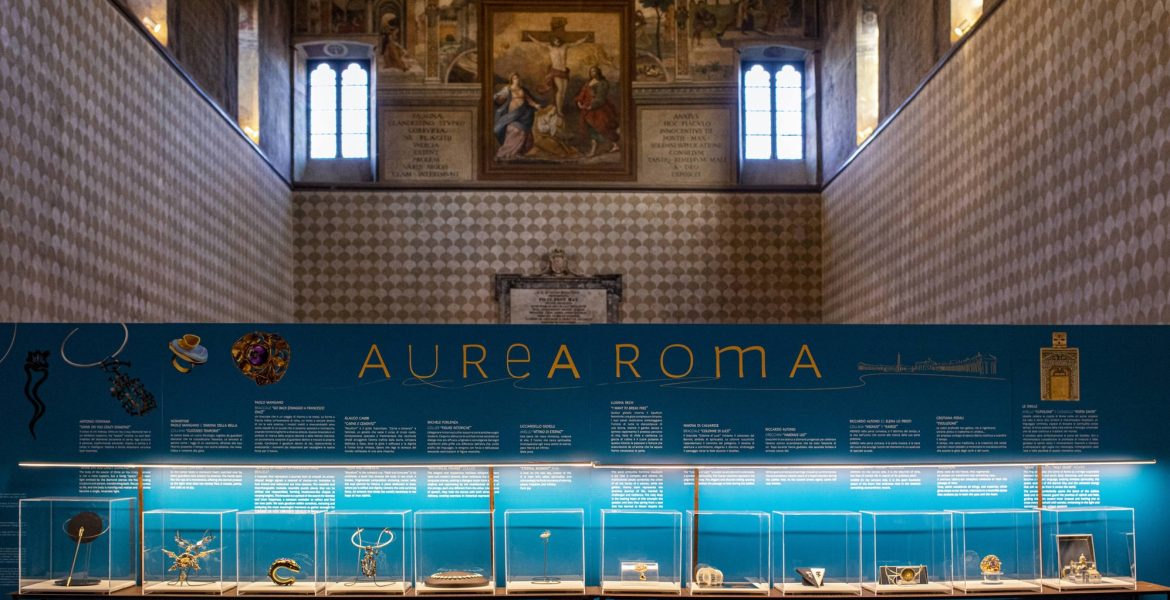
Contemporary jewelry is increasingly becoming a territory of dialogue, experimentation and cross-disciplinary exchange. This vision lies at the heart of Aurea Roma, the new capsule project promoted by Roma Jewelry Week, conceived to bring jewelry into conversation with other forms of artistic expression. This project is curated and developed by Arch. Monica Cecchini. The project was officially presented at Galleria Incinque Open Art Monti in Rome, during an evening that also celebrated two winners of the Incinque Jewels Award 2024, Livia D’Agostino and Anna Paparella. The premise behind Aurea Roma is both simple and ambitious: each master goldsmith or jewelry designer is paired with a creative personality from another discipline, from painting and sculpture to architecture, music, street art, literature and the performing arts. The resulting dialogue is intended to culminate in the creation of an original jewel conceived as the tangible expression of a shared creative process. Aurea Roma is part of Roma Jewelry Week’s 2026 curatorial theme, “La Corona dell’Ingegno. Il gioiello come racconto dell’arte e della cultura italiana degli ultimi ottant’anni (1946–2026)” – The Crown of Ingenuity: Jewelry as a Narrative of Italian Art and Culture over the Last Eighty Years.
The theme coincides with the 80th anniversary of the Italian Republic and places particular emphasis on work as an expression of creativity, craftsmanship, artistic mastery and vision. Within this framework, jewelry becomes a particularly effective medium through which to explore one of the defining qualities of Made in Italy: the ability to transform material, technique and imagination into objects carrying cultural meaning. What makes Aurea Roma particularly interesting is that the final jewel is only one part of the project. The entire creative journey, conversations, sketches, photographs, videos, notes and working materials will be documented and incorporated into the final installation. Rather than presenting creation as a mysterious finished act, the project intends to reveal its mechanisms: confrontation, experimentation, disagreement, discovery and synthesis. Jewelry thus becomes not simply an object to be displayed, but evidence of an intellectual and artistic exchange.
From Michelangelo Pistoletto to Street Art
The 2026 edition brings together many important personalities.
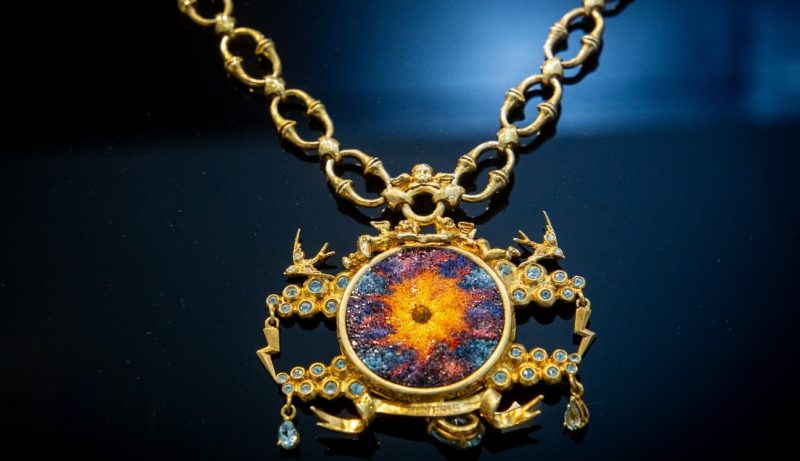
Luigina Rech
Among the announced collaborations is Luigina Rech with Michelangelo Pistoletto, one of the central protagonists of Arte Povera and a major figure in international contemporary art. Glauco Cambi will work with street artist Maupal, while Matteo Vitali is paired with stencil artist Lucamaleonte.
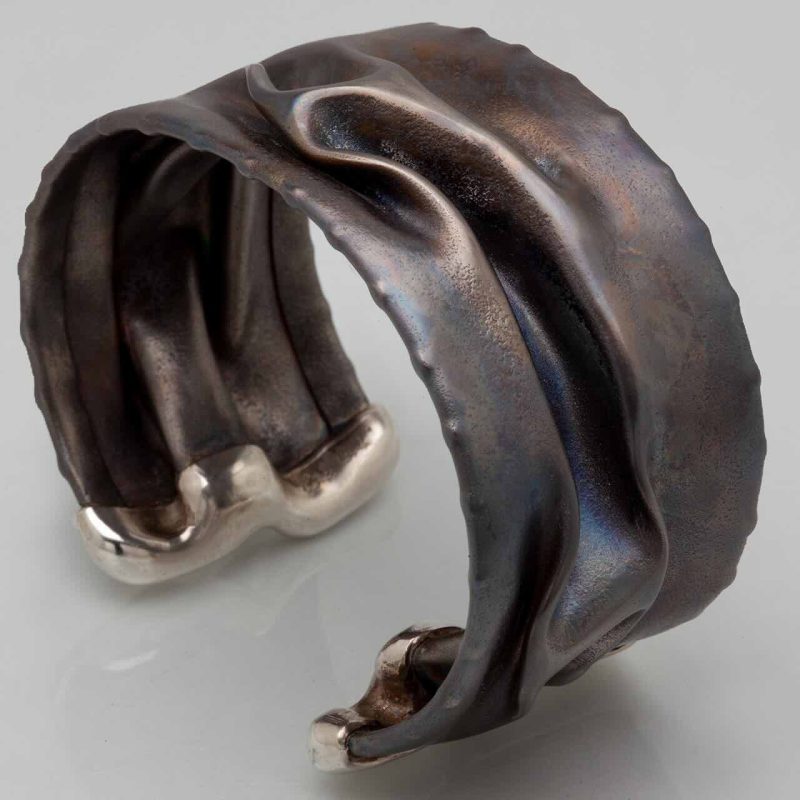
Glauco Cambi
Other encounters extend the project into music, literature, architecture and conceptual art: Emanuele Leonardi with poet and writer Giorgio Maria Cornelio, and Paolo Mangano with contemporary artist Paolo Canevari, known for his experimentation with simple and recycled materials.
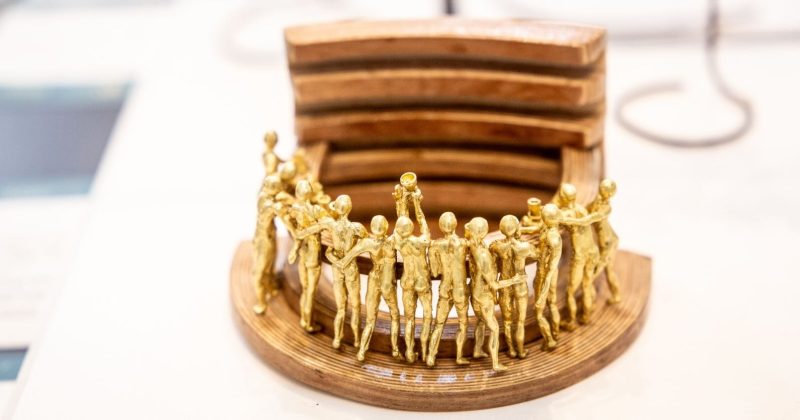
Emanuele Leonardi
Further pairings include Chiara Fenicia and Claudio Riefoli; Antonio Fontana and Tommaso Cascella; Michele Forlenza and Georgia Errera; Anna Pinzari and Luigi Menichelli; Cristiana Perali and architect Roberta Vincenzi; Rossella Ugolini and painter Vincenzo Scolamiero; and Massimo Licciardello with Stefania Fabrizi.
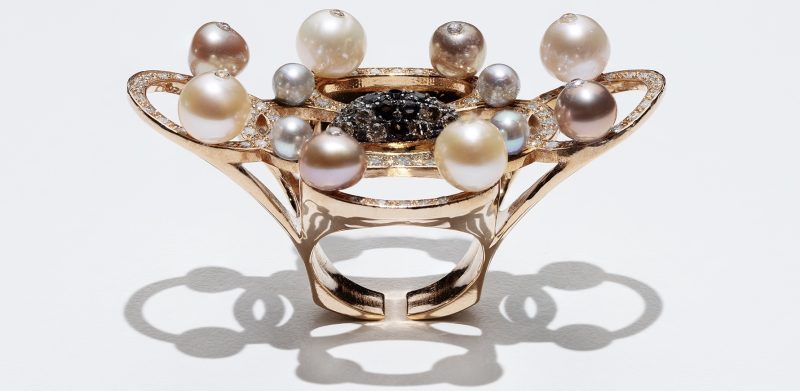
Anna Pinzari
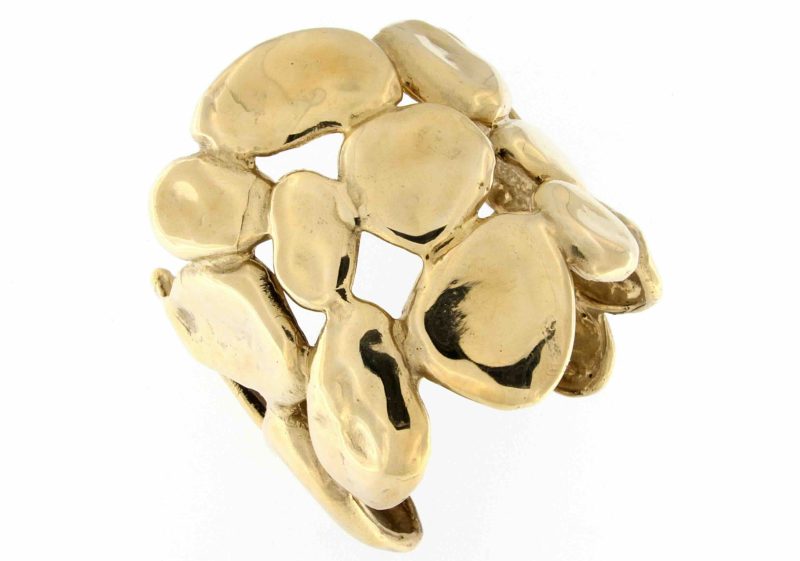
Cristiana Perali
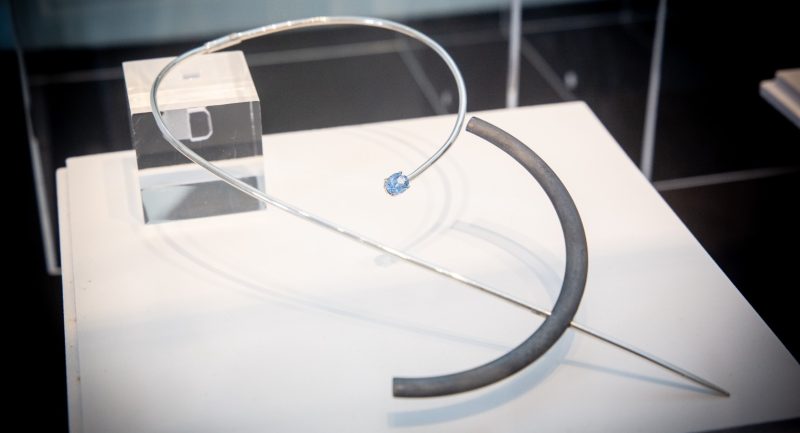
Antonio Fontana
Jewelry designer Alessio Boschi will participate as a special guest with a work dedicated to Italian design, while Diego Percossi, representing Atelier Percossi Papi, will collaborate with artist Emiliano Alfonsi, whose practice combines references to ancient painting with contemporary symbolism.
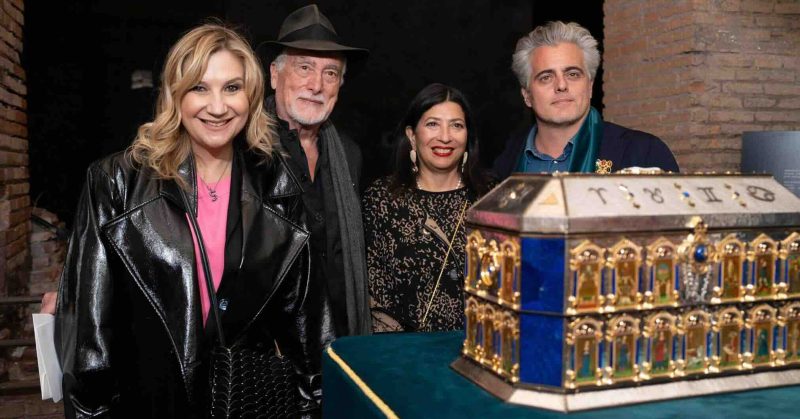
From left: Laura Bordoni, Diego Percossi Papi, Laura Astrologo Porché and Giuliano Percossi Papi
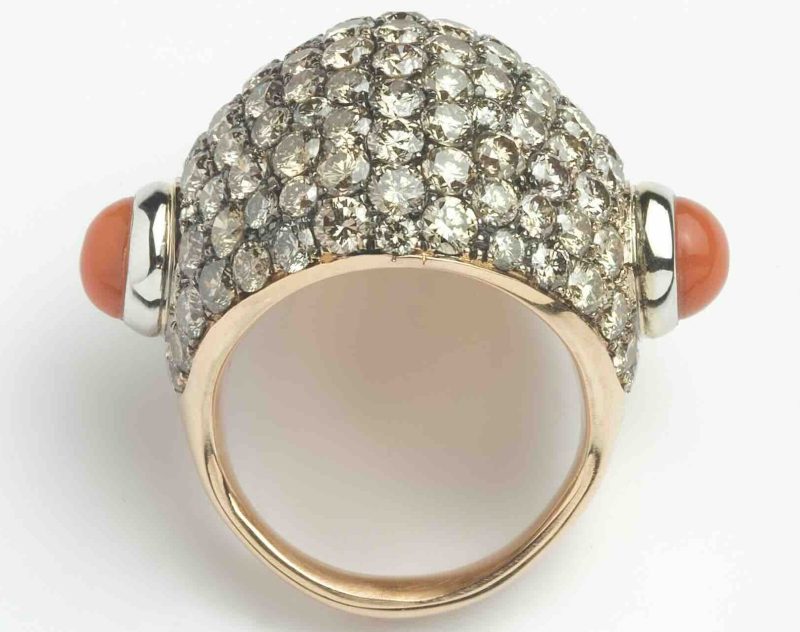
Forlenza
The strength of the project lies precisely in this idea of creative contamination. Each duo is asked to develop a new jewel through a shared process of discussion and experimentation. The resulting work is therefore conceived not merely as an ornament, but as the record of an encounter between different languages, sensibilities and ways of approaching form.
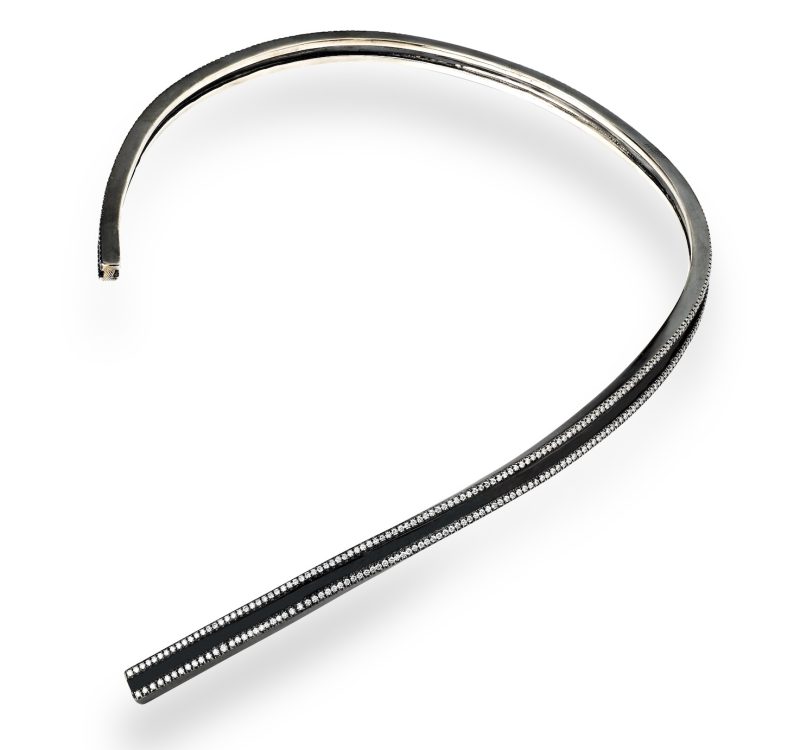
Paolo Mangano
It is an approach particularly relevant to contemporary jewelry today. As the boundaries between jewelry, sculpture, design and conceptual art become increasingly permeable, the identity of the jewel no longer depends exclusively on precious materials or traditional notions of adornment. Meaning may instead emerge from narrative, experimentation, cultural references and the relationship between the body, the object and its wider artistic context.
Aurea Roma embraces precisely this expanded definition.
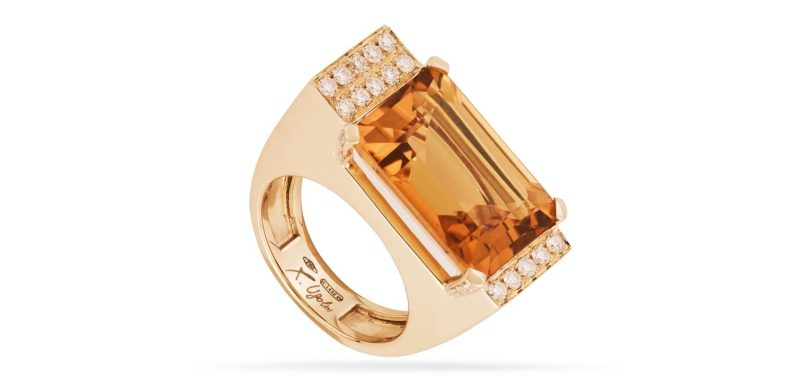
Rossella Ugolini
The works created through the Aurea Roma collaborations will be unveiled during Roma Jewelry Week 2026, scheduled for October 8–11, 2026. The new edition of the Incinque Jewels Award will take place during the same period and will develop the same overarching curatorial theme. More than a conventional exhibition project, Aurea Roma proposes jewelry as a connective artistic language: a meeting point where craftsmanship can interact with painting, architecture, music, literature and contemporary visual culture. And perhaps this is where its most compelling proposition lies. Rather than asking jewelry to defend its position within the hierarchy of the arts, Aurea Roma places it naturally among them, as a discipline capable of absorbing other languages while retaining the intimacy, material intelligence and relationship with the human body that make jewelry unique.
Article edited by Laura Astrologo Porché
Instagram @journaldesbijoux