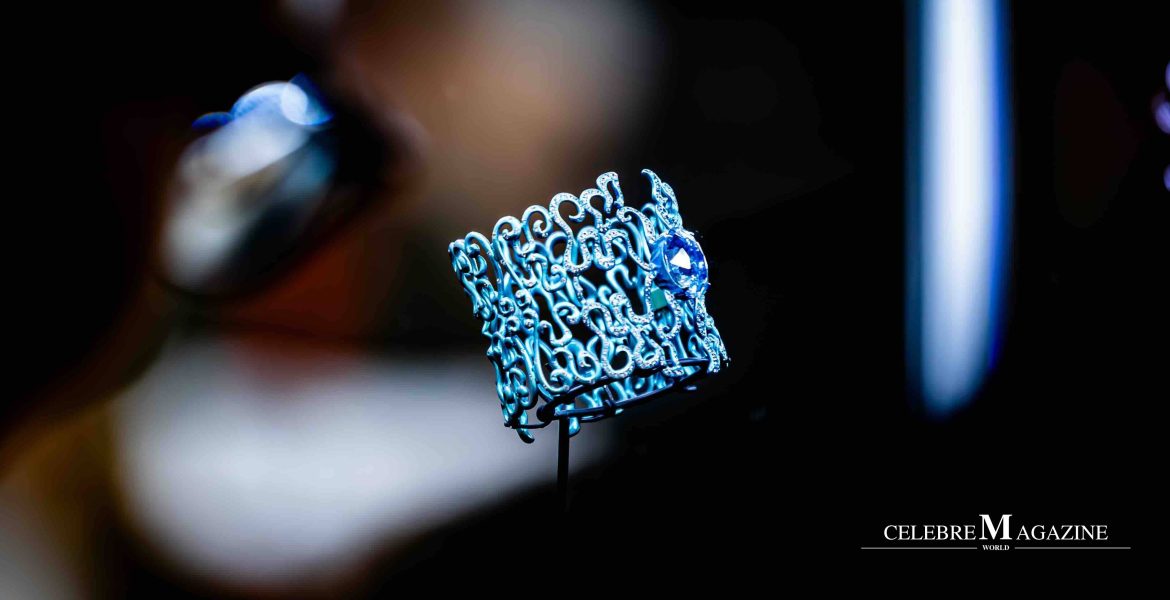
In 1867, a 17-year-old silversmith apprentice named Che YuTong opened his own jewellery business in Macau. He called it Che Lee Yuen. One hundred and fifty-nine years later, the family business is still there, now represented internationally by O’Che 1867 and by the fourth generation of the Che or Tse family. (“Che” in Macau and “Tse” in Hong Kong are the romanized forms of the same family’s Chinese surname.)
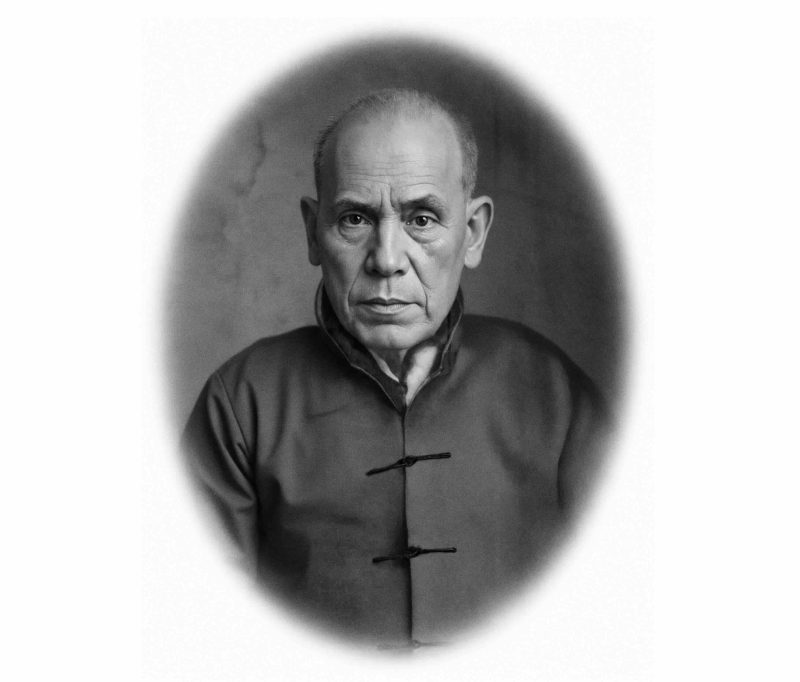 The Founder, Mr. Che YuTong
I had the pleasure of meeting Stephen Tse, who represents the fourth generation, and of having a long and insightful conversation with him in Hong Kong. What struck me was the dynamism and modernity of the brand, combined with a strong attachment to its history and traditions. In the nineteenth century, Macau was a port, but above all a place where different cultures intersected, a historic maritime gateway where Eastern traditions and Western influences have harmoniously intertwined for centuries, Portuguese heritage existed alongside Chinese traditions, and it was within this particular environment that Che YuTong began creating his jewellery.
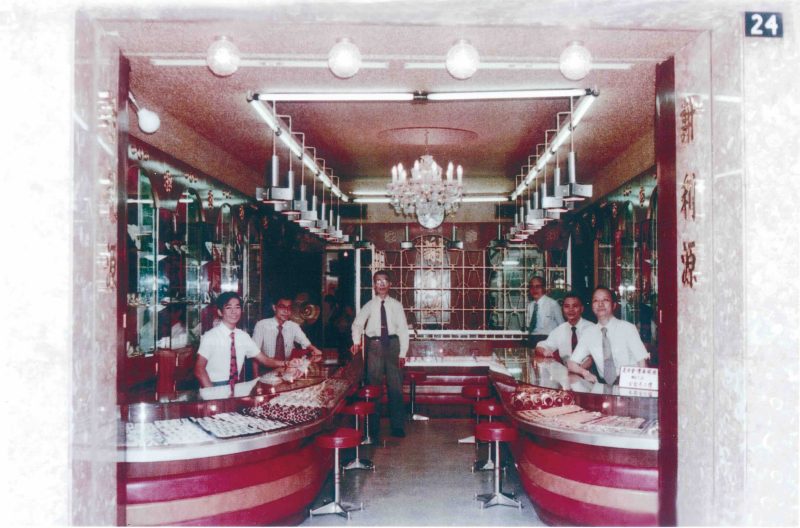
Shop Front in 1970s
At the heart of O’Che lies precisely this dialogue between cultures. East meets West is not simply a contemporary positioning for the house: it reflects the history of Macau itself and can be seen in jewellery that translates elements of Chinese culture into a contemporary fine-jewellery language. The family business has now passed through four generations, each preserving its commitment to craftsmanship while adapting to changing periods, tastes and ways of wearing jewellery.
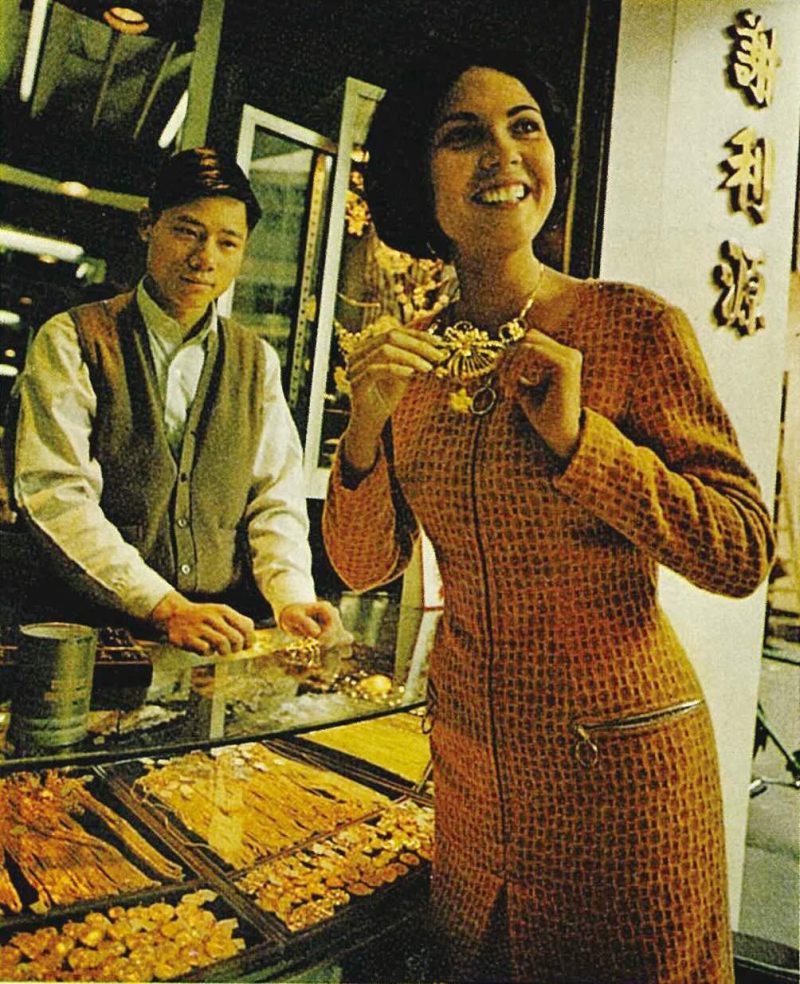
National Geographic’s April 1969 feature on Macau, photographed in the shop
It is this continuity that distinguishes O’Che in an industry where the word “heritage” is sometimes used rather generously. Here, the history is real. Over more than a century and a half, the family witnessed the final decades of the Qing Dynasty, the political transformations of twentieth-century China and Macau’s own evolution from Portuguese administration to its return to China. Inevitably, the jewellery developed within this same cultural mixture. For Stephen Tse, the challenge is how to preserve the Maison’s authenticity, without letting the brand drown in the mighty trorrent of the times.
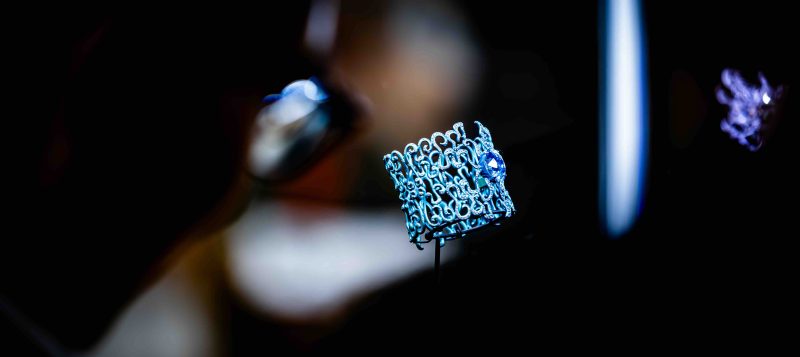
Harmony Collection exhibited at the Florence Biennale, 2025
International collectors appreciate jewellery that feels relevant today, but that still carries enough identity to distinguish it from the increasingly uniform language of global luxury. That balance can be seen in O’Che 1867’s most characteristic collections. The house draws inspiration from motifs and objects deeply embedded in Chinese culture and reinterprets them within contemporary fine jewellery. The names of the collections themselves tell much of the story: The Abacus, Birdcage, the No. Eight, the “O”, the Harmony, the Long & Feng, the Seal collections. They are not arbitrary titles applied to generic designs, but direct references to the visual and symbolic culture from which the house developed.
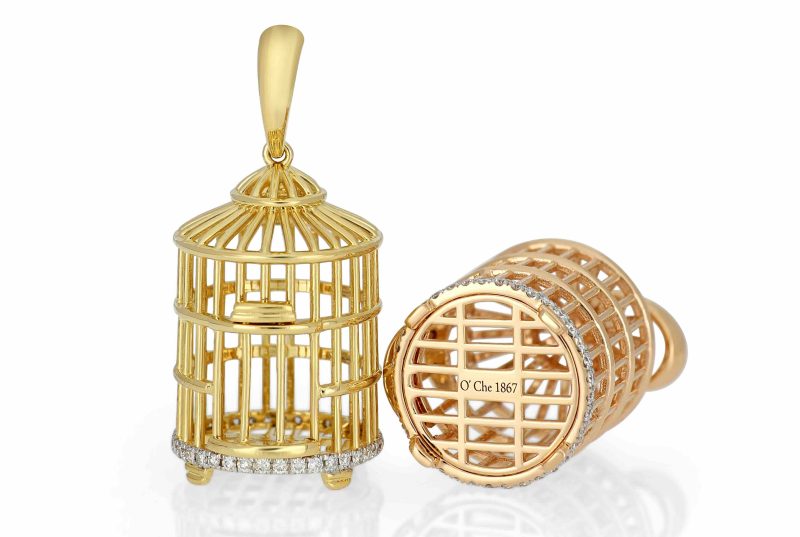
The Birdcage Collection
Chinese jewellery is now operating in a very different international environment from even a decade ago. European collectors are increasingly accustomed to seeing Asian designers and maisons not simply as producers or markets, but as creators of their own aesthetic languages. For a house from Macau, this creates an interesting position. Its identity was cross-cultural long before “East meets West” became a recurrent expression in the luxury industry. O’Che 1867 recently brought its story to Paris through a presentation at UNESCO, an appearance that Stephen Tse himself considers an important step in the house’s dialogue with Europe.
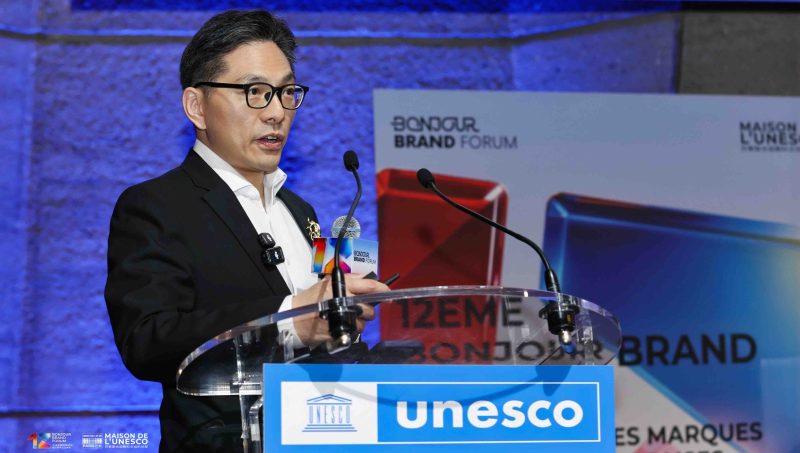
Presenting the brand at the UNESCO in Paris, May 2026
For a jeweller from Macau, there is a certain logic in bringing that history to Paris, a city that remains one of the principal international reference points for high jewellery. Mr. Tse speaks about jewellery as a form of cultural transmission, and about O’Che as a possible bridge between local heritage and an international audience. A 159-year-old family jeweller from Macau does not need to reinvent itself as a newly discovered European maison. Its strongest asset is precisely what cannot easily be manufactured or replicated: four generations of continuity, a history rooted in Macau, and a jewellery language shaped by the meeting of cultures that has always defined the city.
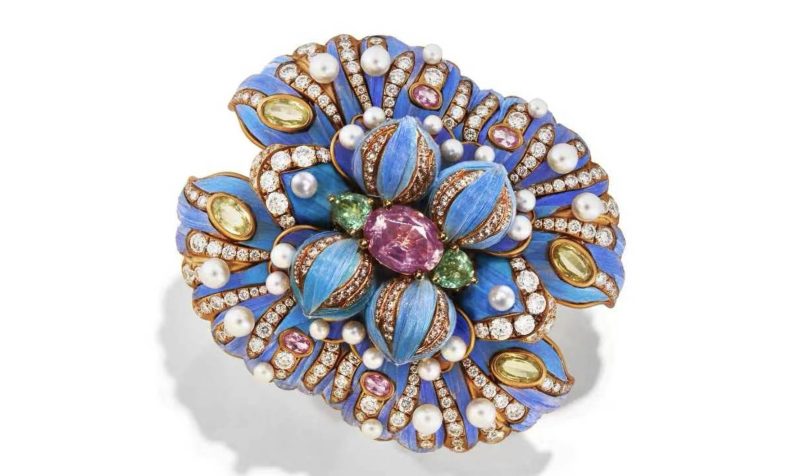
The Azure Opus Collection
IN CONVERSATION WITH STEPHEN TSE
Your family jewellery history dates back to 1867. How do you personally balance the responsibility of preserving that heritage with the need to create something relevant for a new generation of international collectors?
“At O’Che 1867, preserving a heritage that spans over 150 years is about keeping a rich legacy alive while allowing it to evolve. Founded in Macau during the Qing Dynasty, our brand identity has always been rooted in a unique cultural intersection where traditional Chinese gold craftsmanship and cultural essence meet Western aesthetic influences. Preserving that heritage means honouring our brand values while maintaining uncompromising standards, artisanal techniques, and authentic storytelling. Modern luxury jewellery lovers seek uniqueness, innovative designs, and superb craftsmanship. For the past century and a half, our brand has maintained its founding principles while continuously embracing creativity. Drawing inspiration from the essence of Chinese art, we transform historic motifs into exquisite fine jewellery that reflects the rich cultural and aesthetic heritage of Macau.”
Your presence in Paris seems to mark a new stage in O’Che 1867’s international journey. What does Paris represent for you today, and how do you want European audiences to understand the identity of a jewelry house born in Macao?
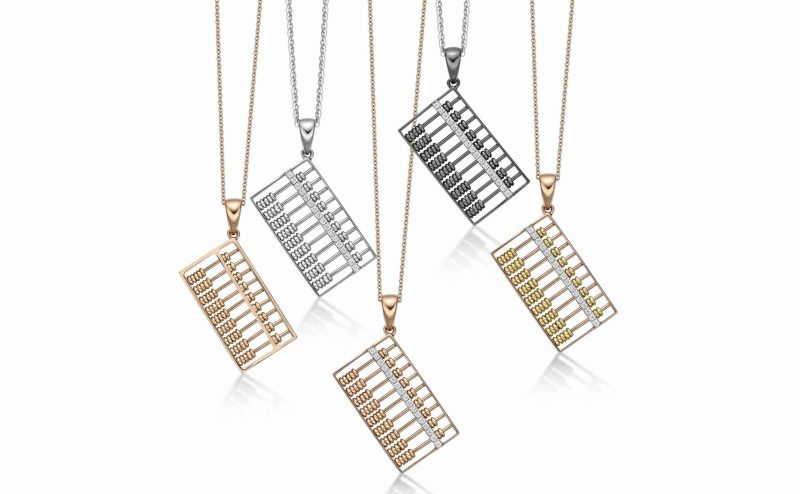
The Abacus collection
“Presenting at UNESCO in Paris marks a profound moment of global recognition for O’Che 1867. Paris is the spiritual capital of high jewellery, and UNESCO serves as the guardian of world heritage, this global stage allows our 159 year legacy to engage in a direct, meaningful dialogue with European artistic traditions. Moving beyond the traditional role as a jeweller, O’Che 1867 aspires to be a cultural storyteller, using fine jewellery as a bridge for cross-cultural exchange. We see ourselves as curators of heritage, dedicated to connecting tradition with modernity and linking local roots to global horizons. Through this presentation, O’Che 1867 invites European audiences to experience a unique narrative from Macau, a historic maritime gateway where East and West have harmoniously intertwined for centuries. Authentically Chinese yet universally captivating, our creations offer a timeless expression of cultural harmony and enduring artistry.”
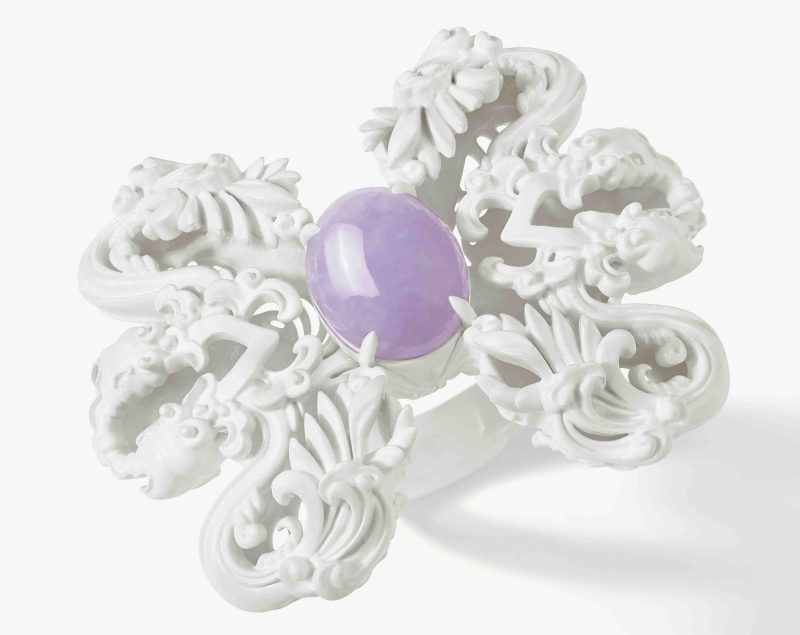
The Long and Feng Collection
O’Che 1867’s strength lies in a jewellery culture shaped by Chinese tradition, European influence and four generations of family continuity.
Paris may mark an important new chapter, but it does not rewrite the story.
It simply gives that story another audience.
And for a house founded in 1867 by a 17-year-old silversmith, still carrying its origins into the present, that may be the most contemporary gesture of all: not to reinvent where it comes from, but to make it travel.
Article edited by Laura Astrologo Porché
Instagram @journaldesbijoux