
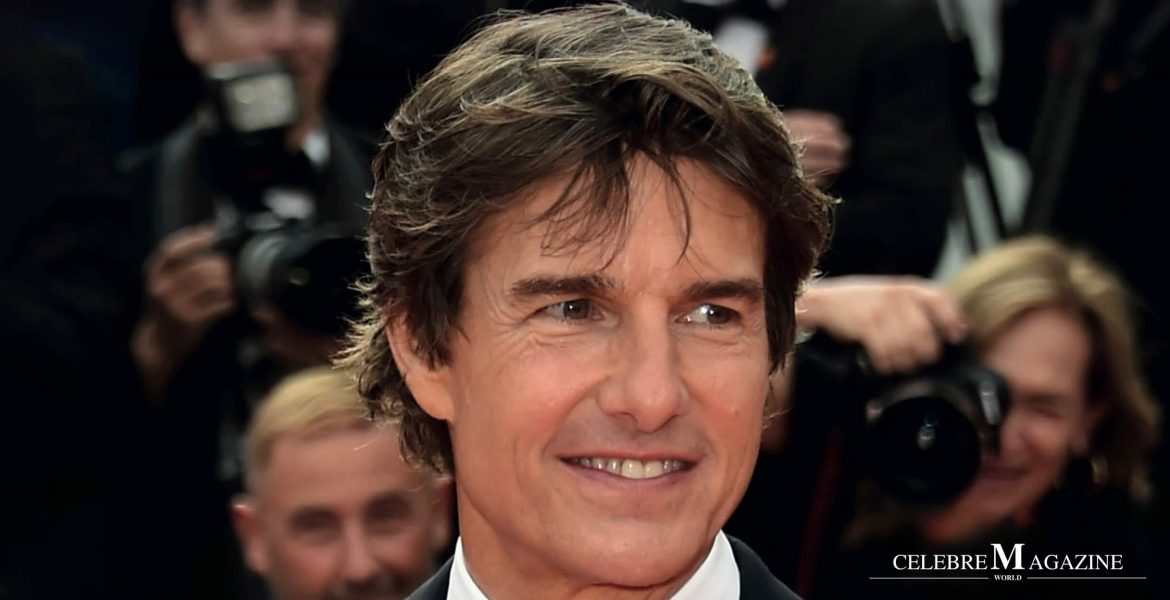
If there is one actor who manages to appeal to at least three generations, it is undoubtedly him: the perennial Hollywood star, one of the few to boast a filmography consisting almost entirely of hits, both with audiences and critics. After all, Tom Cruise is the man for impossible missions, and when, as a young man, he first moved to New York to study acting and then to Los Angeles, he gave himself three years to shine in the film industry.
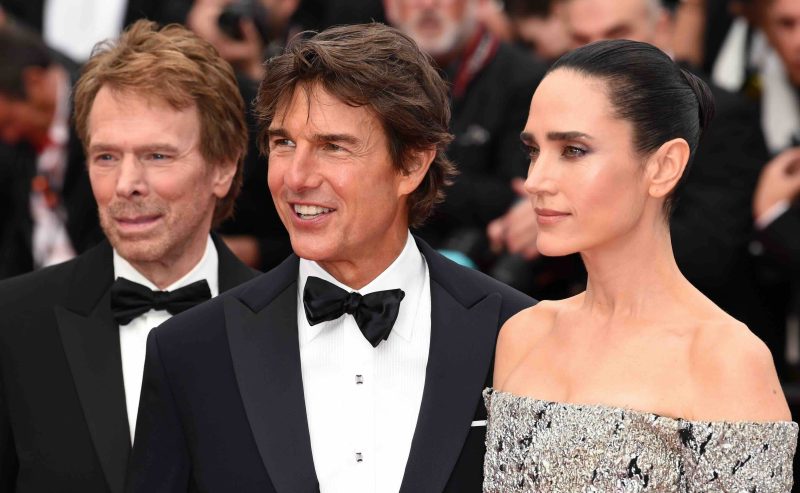
The talent of this young man with the dazzling smile is undeniable, but his greatest assets are probably others: unshakeable determination, military discipline and obsessive perfectionism. It was a real struggle at the start, with dyslexia diagnosed at the age of seven, a difficult family situation, a strict upbringing that included a Franciscan seminary, and constant moves that meant he had to change schools time and again. When he received his first Oscar – the honorary award at the Governors Awards a few months ago – he appeared moved as he looked back over the story of his life, breaking away from the usual pattern we have come to expect from him. “My love for cinema began at a very early age. Suddenly, the world was so much larger than the one that I knew,” he began. “And no matter where we come from, in that theatre we laugh together, we feel together, we hope together, we dream together, and that is the power of this art form. So making films is not what I do, it is who I am,” he said, declaring his unconditional love for the silver screen.
Following his debut with Franco Zeffirelli, he landed his first leading role in “Risky Business” right on schedule. The following year, Ridley Scott cast him, and the year after that he cemented his status as an icon by playing the pilot Maverick in “Top Gun.” Still in his early days, he proved his mettle as a supporting actor alongside the likes of Paul Newman and Dustin Hoffman, in “The Color of Money” and “Rain Man” respectively. He rounded off the decade with his first nomination, masterfully portraying a disabled Vietnam veteran who comes to an awareness of pacifism in “Born on the Fourth of July.” The 1990s saw him become Hollywood’s highest-paid actor. He began the decennium by meeting Nicole Kidman on set, the alabaster-skinned beauty who would become his wife and with whom he would star in two further films, including the spiritual testament of the master Kubrick, “Eyes Wide Shut,” a gruelling three-year production that marked the end of Hollywood’s golden couple. One cult classic follows another, from “A Few Good Men” to “Jerry Maguire,” from “Minority Report” to “The Last Samurai,” and he finally dazzles in the role of the villain that suits him down to the ground: handsome and bloodthirsty in “Interview with the Vampire” alongside a rising star, Brad Pitt, and a misogynistic seduction guru in “Magnolia,” a powerful interpretation brimming with creative flair.
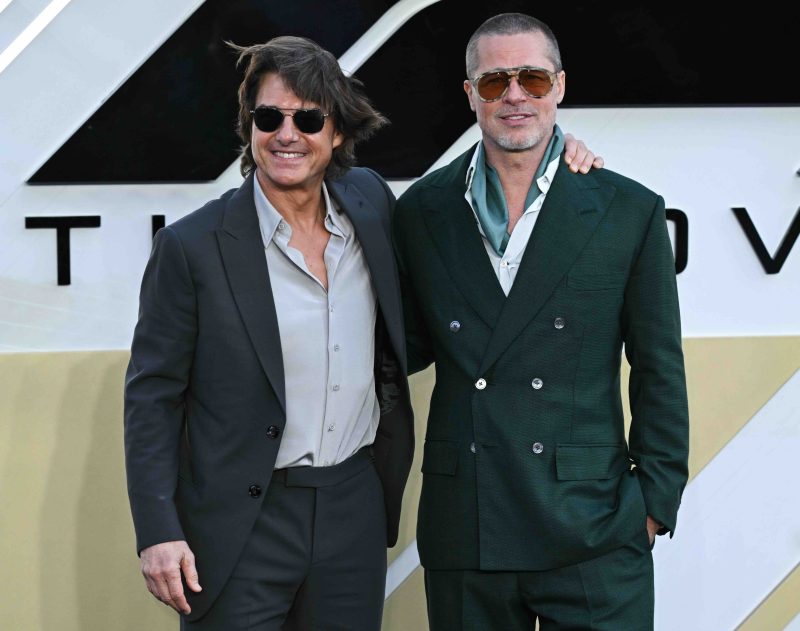
Two of his finest performances – both, incidentally, in the role of the anti-hero – have inexplicably gone largely unnoticed: that of the serial killer in “Collateral,” a noir film shot entirely at night, and that of a promiscuous, depressed and wayward rock star in “Rock of Ages,” where he showcases his stage talent by singing hits by Bon Jovi and Guns N’ Roses. Tom, however, prefers to save the world in chic biker outfits and sunglasses, alternating these with three-piece suits from the great Italian fashion houses on the red carpet, and sees the secret agent from “Mission: Impossible” as his quintessential alter ego, so much so that he went on to produce every instalment of the series himself over the next thirty years. With his career as a more sophisticated actor sidelined,
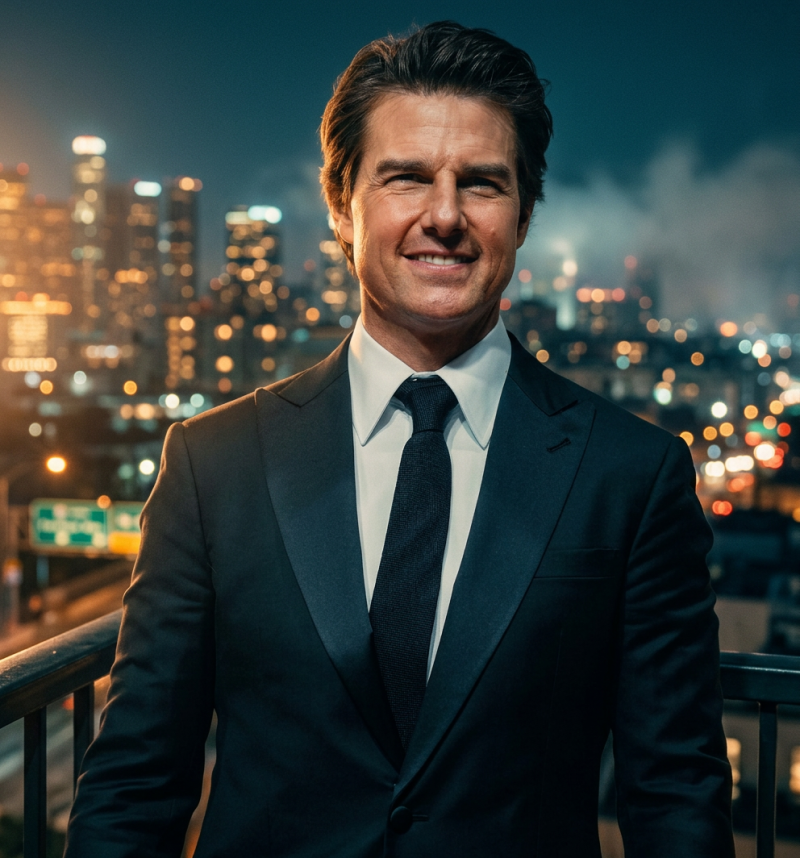
Tom Cruise’s trademark has become stunts involving feats of bravery, restrained only by harnesses removed in post-production: we have seen him climb onto a helicopter in flight, cling to the wing of a biplane as it turns upside down and to the side of a plane as it takes off and, as in the best Japanese manga, jump off a cliff on a motorbike, abandoning it mid-air to parachute onto a moving train. Tom Cruise’s image, however, is also closely associated with the controversial Scientology movement, a doctrine to which his first wife introduced him and which he embraced in ways that have undermined both his reputation and his box-office takings, particularly following that bizarre interview on Oprah Winfrey’s talk show in the mid-2000s. As well as likely having contributed to the end of his relationships, certainly that with Katie Holmes, his third wife, and the daughter born of that marriage.
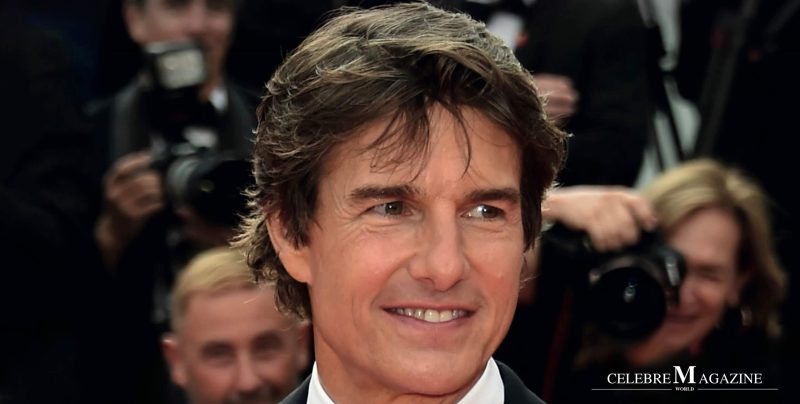
This was followed by a mission to rehabilitate his image by taking himself with a pinch of salt and a touch of humour – something he has certainly succeeded in doing, as demonstrated by the reception of “Top Gun: Maverick” at the box office. In the words of the Academy, Cruise helped guide the industry through a difficult period during the Covid-19 pandemic, demonstrating a deep commitment to his craft, including performing all his own stunts.
Article edited by Claudia Chiari
Editorial Director Celebre Magazine World