
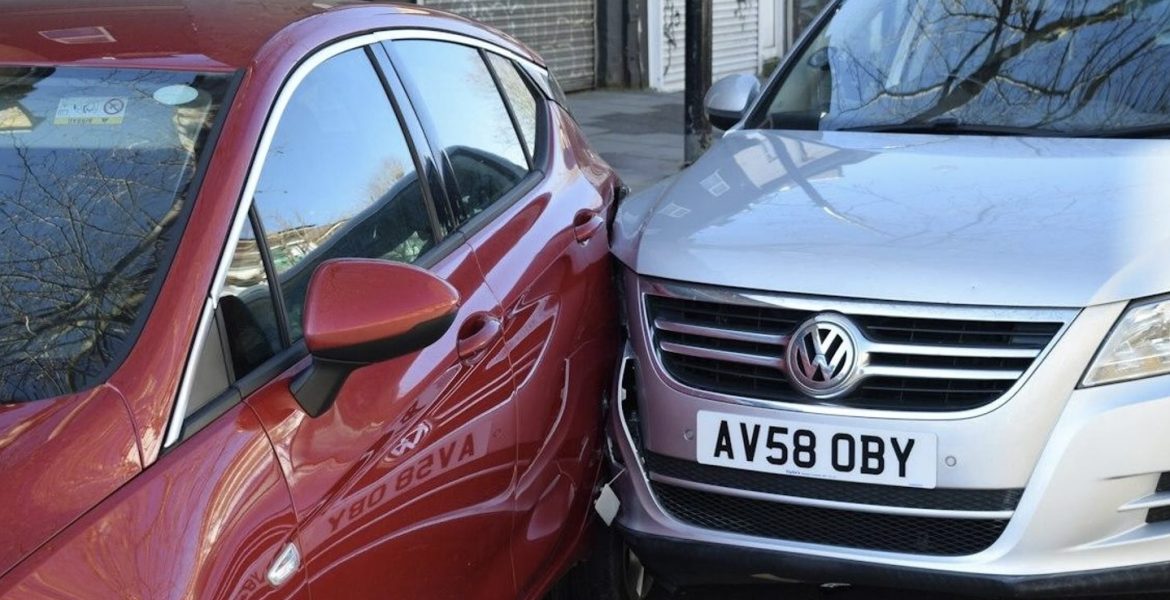
High-end auto accidents bring unique complications to the table. When exotic cars, luxury sedans, or custom vehicles collide, the financial stakes climb rapidly. Standard accident protocol still applies, but the settlement process turns complex fast. Owners of high-value vehicles face distinct challenges during recovery. Insurance companies scrutinize luxury claims heavily, and proving fair property value requires sharp documentation.
Navigating High Asset Valuation After a Collision
Evaluating damage for a luxury car involves more than checking standard repair estimates. Luxury vehicles feature specialized parts, complex software, and unique build materials like carbon fiber. A standard repair shop may lack the tooling required to fix high-performance machines correctly. A report by AAA showed luxury car repairs often cost up to 50% more than fixes for average cars. Specialized labor rates push total bills far beyond standard expectations. Restoring a vehicle to factory condition requires certified technicians. Skimping on original equipment manufacturer parts lowers the resale value of the car significantly.
Measuring Pain and Suffering for High-Net-Worth Victims
Physical injuries affect everyone, regardless of what kind of vehicle they drive. Medical expenses, physical therapy, and missed income form the baseline of personal damage claims. Economic damages reflect measurable financial losses from an accident. Non-economic damages address pain, emotional distress, and loss of life enjoyment. If a collision leads to serious injury, pursuing a personal injury lawsuit can help secure fair recovery for lost wages and long-term medical needs. Calculating non-economic harm involves proving how the injury alters daily routines. High earners often face massive losses in business opportunities during extended recovery windows.
Handling Inadequate Policy Limits
Standard insurance policies often fail to cover the true damage costs of an exotic car crash. Basic coverage limits get wiped out in seconds when expensive components need replacement. Many drivers on the road carry basic policies with low caps on property damage. Standard policies carry liability limits that are too low for the exotic car market. When the at-fault driver has basic limits, the victim must look elsewhere for coverage. Underinsured motorist policies help bridge the gap, but retrieving full compensation requires careful maneuvering.
Calculating Diminished Value Claims
Even after flawless repairs, a high-end car with an accident history loses market value. Potential buyers shy away from luxury cars that show past collision records.
This drop in market worth is known as inherent diminished value. Residual loss in a vehicle’s market value post-repair is a compensable form of property damage.
- Original market value before collision
- Actual cost of certified structural repairs
- Expected post-repair market valuation
- Loss of buyer demand due to vehicle history reports
Documenting this loss requires expert appraisals. Without an independent evaluation, insurance adjusters usually ignore diminished value requests completely.
The Problem of Inflated Fault Claims
Driving a high-end vehicle often changes how other drivers react after an accident. Premium cars attract extra attention, and people sometimes assume wealthy drivers have deep pockets. The perception of wealth tied to luxury cars can make owners targets for inflated claims. Other parties might try to shift blame to secure a larger payout from your insurance policy. Protecting yourself requires collecting solid evidence immediately at the crash scene. Photographs, dashcam footage, and witness accounts help neutralize false allegations of fault.
Negotiating Lowball Settlement Offers
Insurance companies protect their bottom line by paying out as little as possible. Luxury car claims draw extra friction because the numbers are naturally high. Fixing a luxury car is costly, but insurers still offer far less than what proper repairs actually require. Adjusters count on owners taking quick cash payouts to avoid lengthy disputes. Accepting an early offer can leave you paying thousands out of pocket later. Never sign a release form until your repair shop completes a total teardown assessment.
Navigating Complex Multiple-Party Liability
High-speed or multi-vehicle collisions on expressways frequently involve several drivers. Assigning fault among multiple parties takes extensive accident reconstruction work. Each driver’s insurance provider will attempt to minimize their client’s share of responsibility. Comparative negligence laws determine how much compensation each driver receives based on their percentage of fault.
- Gathering multi-angle video footage from nearby cameras
- Pulling black box data from modern luxury vehicles
- Interviewing eyewitnesses before memories fade
- Hiring reconstruction experts to trace vehicle trajectories
Sorting out liability requires a clear timeline of events. Without concrete data, insurers delay claims and drag out negotiations for months.
Umbrella Policies and Risk Management
High-net-worth drivers frequently purchase umbrella insurance policies to protect personal assets. These policies pick up where primary auto insurance limits end. High liability coverage limits and strong underinsured motorist coverage are critical risk management tools. Umbrella policies shield personal savings if you are found at fault for severe damage. Understanding how high-end auto claims operate protects both your financial standing and your physical recovery. Staying proactive with documentation and understanding policy terms ensures you do not absorb the financial burden of another driver’s mistake.
Article edited by Karl Webber