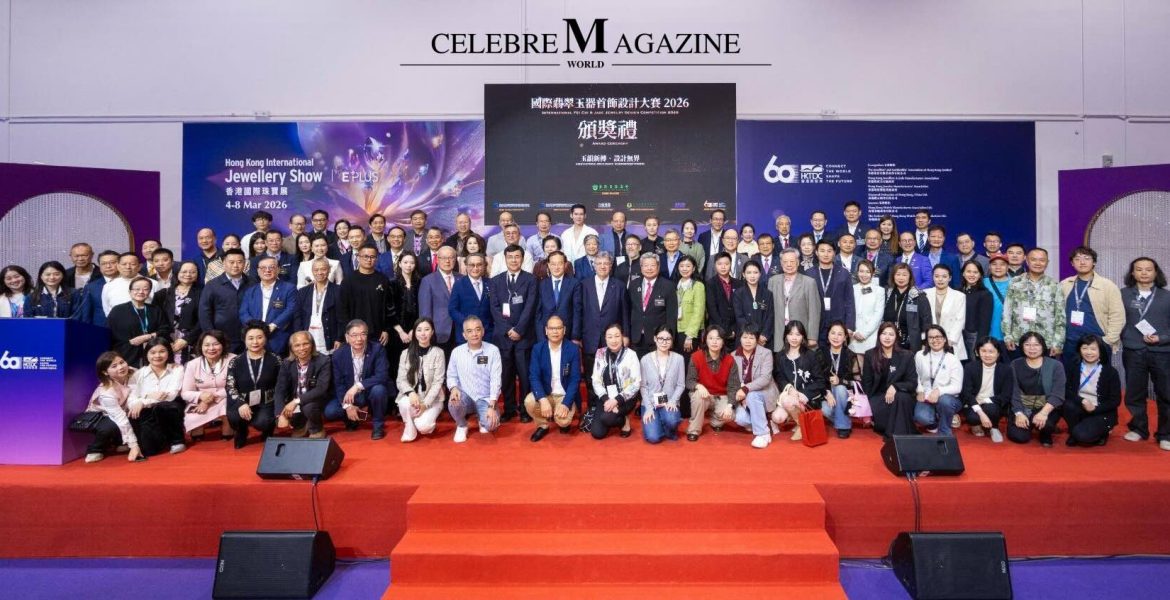
The 2026 editions of the Hong Kong International Jewellery Show and the Hong Kong International Diamond, Gem & Pearl Show confirmed Hong Kong’s continued importance as a major international platform for the jewelry trade. Organized by the Hong Kong Trade Development Council under the “Two Shows, Two Venues” format, the twin fairs brought together a broad cross-section of the industry, from diamonds, gemstones and pearls to finished jewelry, design, packaging, gemological instruments and sourcing services.
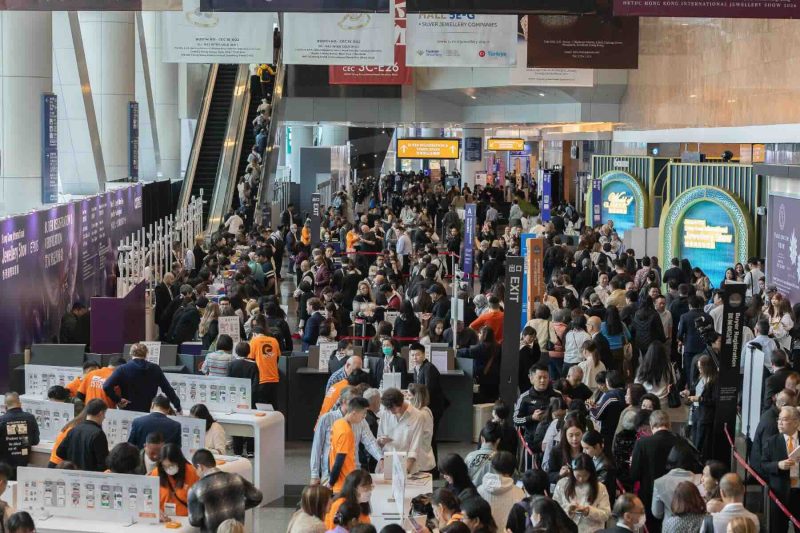
Together, the two shows attracted around 80,000 buyers from 150 countries and regions. The Diamond, Gem & Pearl Show welcomed more than 28,000 buyers from 125 countries and regions, while the Jewellery Show drew more than 51,000 buyers from 140 countries and regions. With about 4,000 exhibitors from more than 40 countries and regions, the scale of the event remains significant. But beyond the numbers, the 2026 edition also showed how Hong Kong continues to connect different parts of the jewelry business, from manufacturing and sourcing to design, retail channels and digital tools. The market mood was one of cautious optimism. According to an on-site HKTDC survey of 1,509 exhibitors and buyers, 44.3% of respondents expect overall sales to increase in the next one to two years, while 49% expect sales to remain stable. These figures point to an industry that remains active, but careful. Rather than suggesting a rapid rebound, they indicate a market focused on stability, product relevance and future growth opportunities.
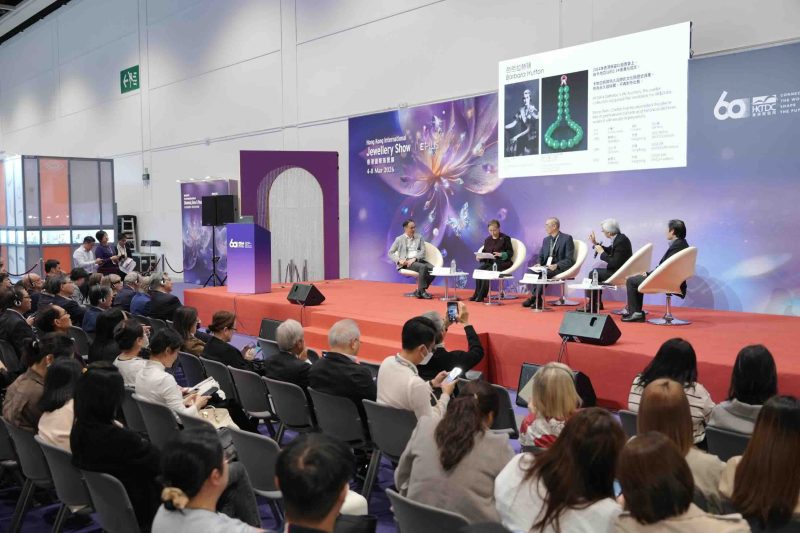
Asia remains central to this outlook. Respondents identified Korea, ASEAN, Mainland China, Taiwan and Australia as the markets with the strongest growth potential for jewelry products over the next two years. The shows also recorded notable growth in buyer attendance from the Philippines, Korea, Australia and Switzerland, reinforcing Hong Kong’s role as a meeting point between Asian markets and international suppliers. One of the clearest product signals came from gold. The debut of the Hard Pure Gold Pavilion, led by the World Gold Council and featuring 10 exhibitors from Mainland China, was one of the notable additions to this year’s fair. Hard pure gold pieces were presented as lighter-weight and more affordable products, with growing interest from markets such as Southeast Asia, the Middle East and India. According to the HKTDC release, these pieces are proving particularly attractive to younger middle-class consumers.
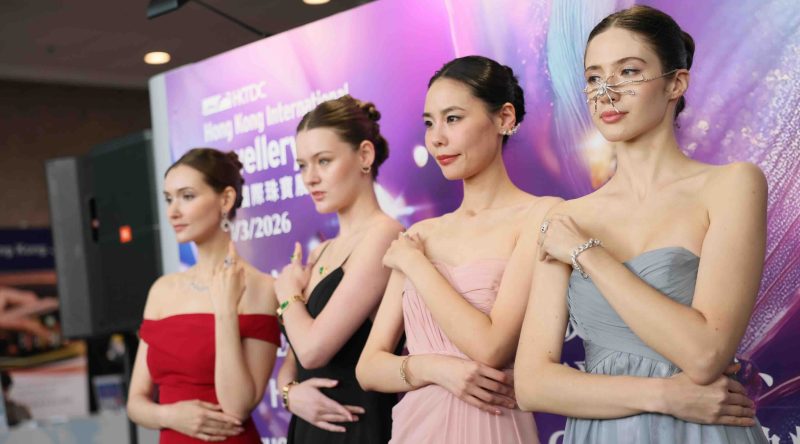
This is significant at a time when gold remains an important category for many markets, but price and wearability are increasingly relevant considerations. The presence of the Hard Pure Gold Pavilion suggested how manufacturers are working to adapt traditional gold jewelry to contemporary consumer expectations, especially through lighter designs and more accessible product positioning. Diamonds also remained central to the fair. In the HKTDC survey, diamonds ranked as the most popular gemstones this year, followed by rubies and pearls. The release also noted continued demand for high-clarity, top-color white diamonds in the 5- to 10-carat range, while rare red and blue diamonds attracted interest from buyers. This confirms that, even in a cautious market, exceptional stones continue to play an important role when rarity and quality are clearly defined.
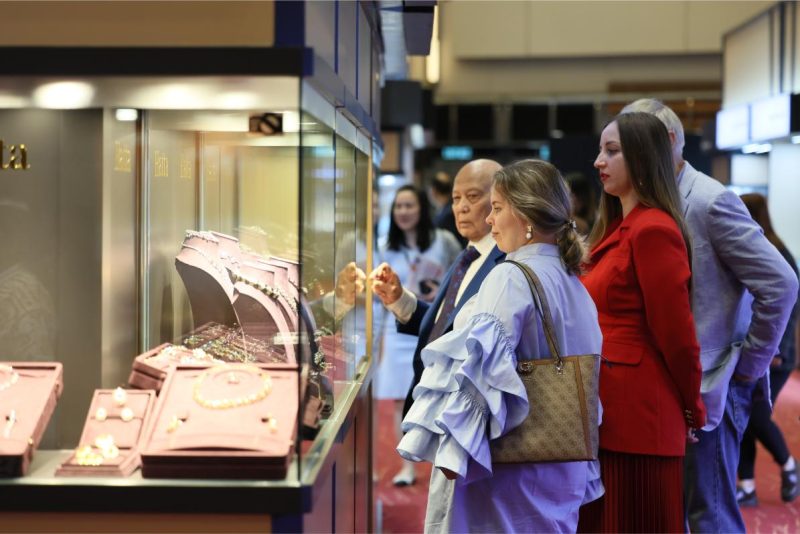
Color was also present in the market outlook. Rubies and pearls ranked after diamonds among the most popular gemstones in the HKTDC survey, showing continued buyer interest in materials beyond white diamonds. While the survey does not allow for a broader conclusion about every colored stone category, it does suggest that color and classic precious materials remain relevant within current buying priorities. Designer jewelry was another important area of development. The shows welcomed more than 50 designer exhibitors, including 10 Korean designers making their debut. This presence reflects the growing importance of design-led jewelry within the trade fair environment. It also aligns with the wider industry discussion around personalization, younger consumers and jewelry that communicates individual style. This focus on creativity was reinforced by three design competitions: the Hong Kong Jewellery Design Competition, the Hong Kong International Fashion Chuk Kam Jewellery Design Competition and the inaugural International Fei Cui Jewellery Design Competition. These initiatives gave visibility to new creative work while strengthening links between designers, manufacturers and buyers.
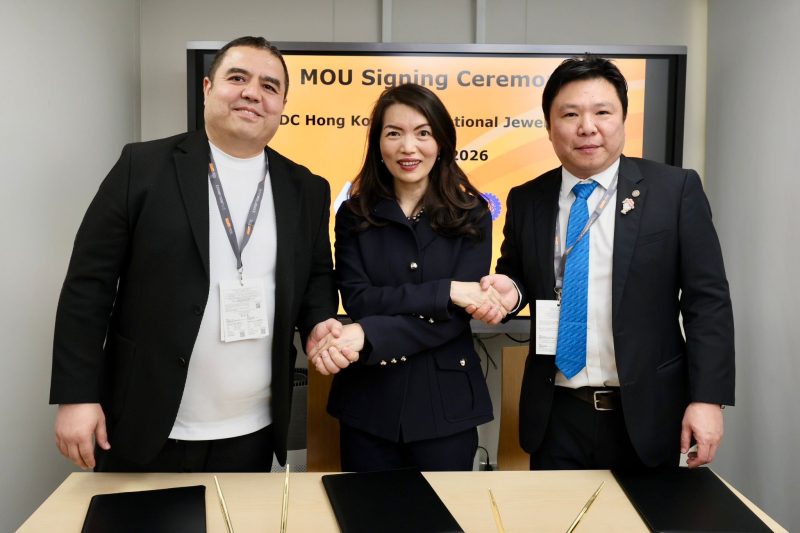
The fair also highlighted Hong Kong’s ability to attract new international participants. Uzbekistan made its debut at the Hong Kong International Jewellery Show, presenting gold jewelry with Central Asian cultural influences. The Uzbekistan delegation also signed a memorandum of understanding with HKTDC and the Hong Kong Jewellery Manufacturers’ Association to further promote Uzbek jewelry through Hong Kong’s platform and strengthen bilateral trade ties. Another defining aspect of the 2026 edition was the integration of physical and digital business. HKTDC continued its EXHIBITION+ model, combining in-person meetings with online matching platforms. Through tools such as Click2Match, hktdc.com Sourcing and Scan2Match, exhibitors and buyers were able to continue discussions beyond the show floor. For buyers who could not travel to Hong Kong, the shows facilitated more than 100 online business matching sessions. This hybrid approach is becoming an increasingly visible part of the trade fair model. Jewelry still depends on physical inspection, trust and face-to-face relationships, but digital tools are extending the business cycle before and after the fair. For exhibitors, this creates additional opportunities to maintain contact with buyers and continue negotiations online.
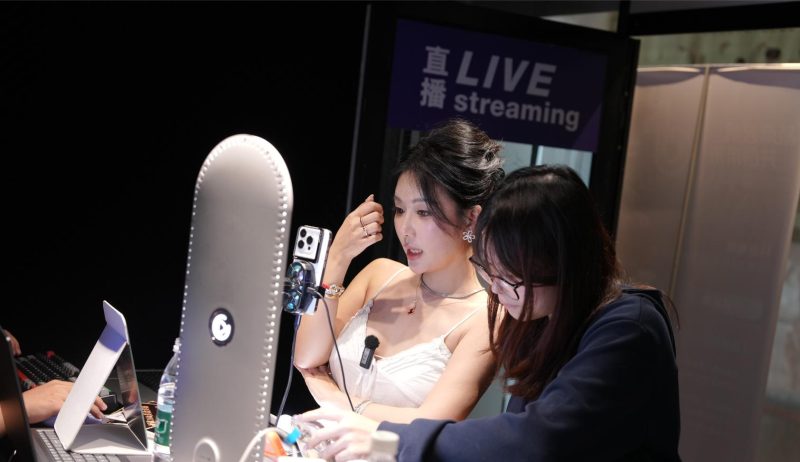
The collaboration with Taobao Tmall and Douyin also pointed to the growing importance of digital commerce. This year, the platforms partnered with the shows in a campaign involving 10 exhibitors and more than 30 influencers and KOLs. According to HKTDC, the campaign generated more than 35 million online impressions and sales exceeding USD 20 million. The initiative showed how online visibility and e-commerce channels are becoming increasingly connected to the trade fair experience. The 2026 Hong Kong shows therefore reflected a jewelry market that remains active, but selective. Gold continues to evolve through lighter and more accessible formats. Diamonds remain important when quality and rarity are strong. Rubies and pearls continue to rank among the key gemstone categories. Designer jewelry is gaining visibility. New international participants are using Hong Kong as a platform for broader market exposure. And digital tools are becoming a more established part of the sourcing and business development process.
Overall, the twin shows confirmed Hong Kong’s continued importance as a major international jewelry trade platform. The fairs brought together buyers, exhibitors, designers and suppliers from across the industry, while also highlighting the growing role of digital tools in supporting business before, during and after the event. In a cautious market environment, the shows offered a clear picture of an industry that remains active, selective and focused on new opportunities.
Article edited by Laura Astrologo Porché
Instagram @journaldesbijoux