
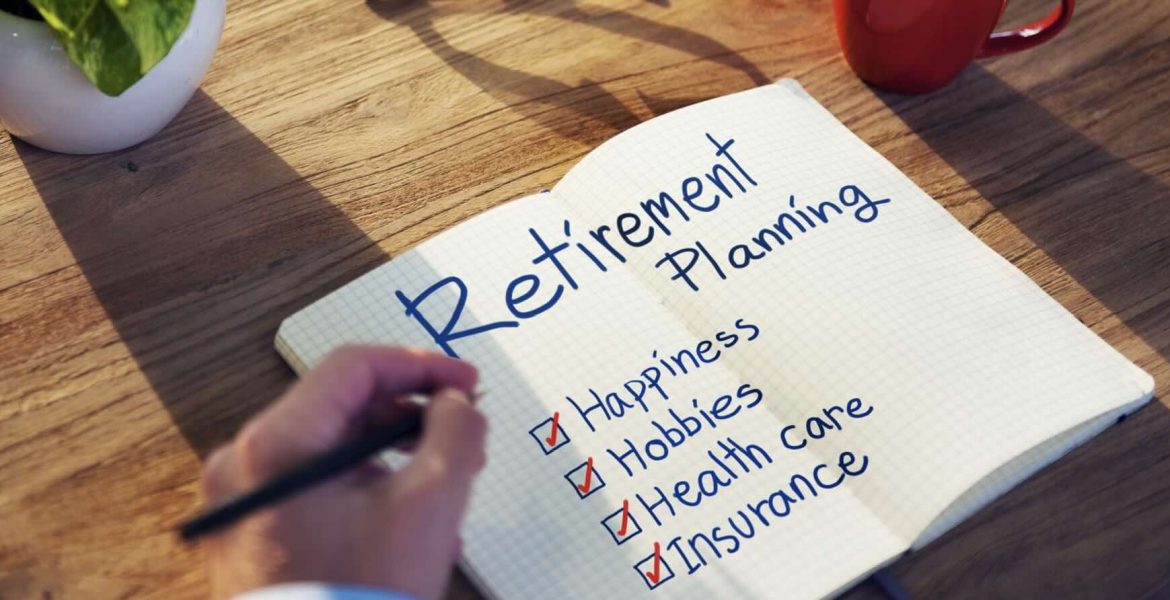
A decade ago, the path toward retirement felt more predictable for many people. Work steadily, contribute to savings accounts, pay down debt, retire sometime in your sixties, and eventually slow things down. That framework shaped how a lot of professionals thought about long-term security for years. Now, the conversation feels far less linear. People are changing careers later in life, working longer by choice or necessity, supporting both children and ageing parents at the same time, and trying to balance rising costs while still building toward long-term goals. At the same time, the idea of financial freedom has become much broader than simply leaving the workforce at a certain age. For many people today, the goal is flexibility, not just retirement itself.
The old “finish line” mentality doesn’t fit everyone anymore
One of the biggest shifts over the last several years is that fewer people picture retirement as a complete stop. Some want to transition gradually into part-time work. Others hope to consult, travel more, or create schedules with greater personal control later in life. Many professionals are less interested in fully disconnecting from work and more interested in creating freedom around how they spend their time. That changes the financial conversation considerably. Instead of focusing only on a target age, people are asking:
- How much flexibility do I actually want later?
- What kind of lifestyle matters most to me?
- How long do I realistically expect to work?
- What happens if priorities shift?
Those questions are more personal, and often more complicated, than traditional calculators account for.
Financial pressure feels different from how it used to
A lot of households that appear financially stable still feel stretched in ways they didn’t expect. Housing costs increased. Healthcare concerns became more significant. Economic uncertainty feels more common than it did years ago. Even high-income professionals often feel like they are balancing competing priorities constantly, savings goals, family responsibilities, debt management, and present-day expenses all at once. That tension affects long-term financial decisions more than people sometimes realise. Many individuals understand the importance of preparing for the future while still struggling with how to balance current responsibilities realistically. Plans that once seemed straightforward may no longer feel as practical under today’s conditions. That’s part of why conversations around retirement planning have evolved toward flexibility and adaptability instead of focusing only on hitting a single future number. People want plans that can survive real life, not just ideal conditions.
Financial freedom means something different for everyone
Another reason long-term planning feels different now is that people define success differently than they used to. For some, financial freedom means leaving work early. For others, it means reducing financial stress, creating career flexibility, or having enough stability to make choices without constant anxiety about money. That distinction matters because long-term financial strategies become more sustainable when they align with personal priorities instead of generic expectations. Someone planning to continue working part-time later in life may approach savings differently than someone targeting a full retirement at a specific age. A person focused on lifestyle flexibility may make different financial tradeoffs than someone prioritising maximum accumulation. There’s no universal version of success anymore.
People often focus too much on numbers alone
Traditional financial advice tends to focus heavily on balances, contribution percentages, and projected returns. Those things matter, but behaviour matters too. How people respond during market volatility, whether they stay consistent during stressful periods, and how they handle uncertainty all influence long-term outcomes more than many expect. Some people make steady progress with relatively simple strategies because they avoid emotionally reactive decisions over time. Others constantly adjust plans based on fear, comparison, or short-term pressure. That emotional side of financial decision-making rarely gets enough attention. It’s also why many professionals eventually spend more time exploring broader questions to ask about retirement planning rather than focusing entirely on investment performance itself. The quality of the framework usually matters more than chasing perfect predictions.
Long-term planning now requires more flexibility
One thing many professionals quietly struggle with is the uncertainty surrounding the future itself. Career paths evolve faster than they used to. The family needs to change unexpectedly. Healthcare concerns become more important over time. Even the nature of work is shifting as remote employment, consulting, and independent income streams become more common. That uncertainty can make long-term financial planning feel intimidating because people assume they’re supposed to already know exactly what the future should look like. Most don’t. The people navigating these changes most effectively are usually not the ones predicting every detail correctly. They’re the ones building enough flexibility into their lives to adjust as circumstances evolve.
What this really comes down to
Long-term financial preparation today is less about reaching one perfect destination and more about creating options over time.
Options to slow down professionally if desired.
Options to support the family without creating instability.
Options to handle unexpected setbacks without panic.
Options to make decisions based on goals instead of financial pressure alone.
That’s why these conversations feel more personal than they did a decade ago. People are not simply trying to stop working someday. They’re trying to build lives that feel sustainable, adaptable, and financially stable enough to support whatever version of the future eventually becomes real.
Article edited by Mark Webber