
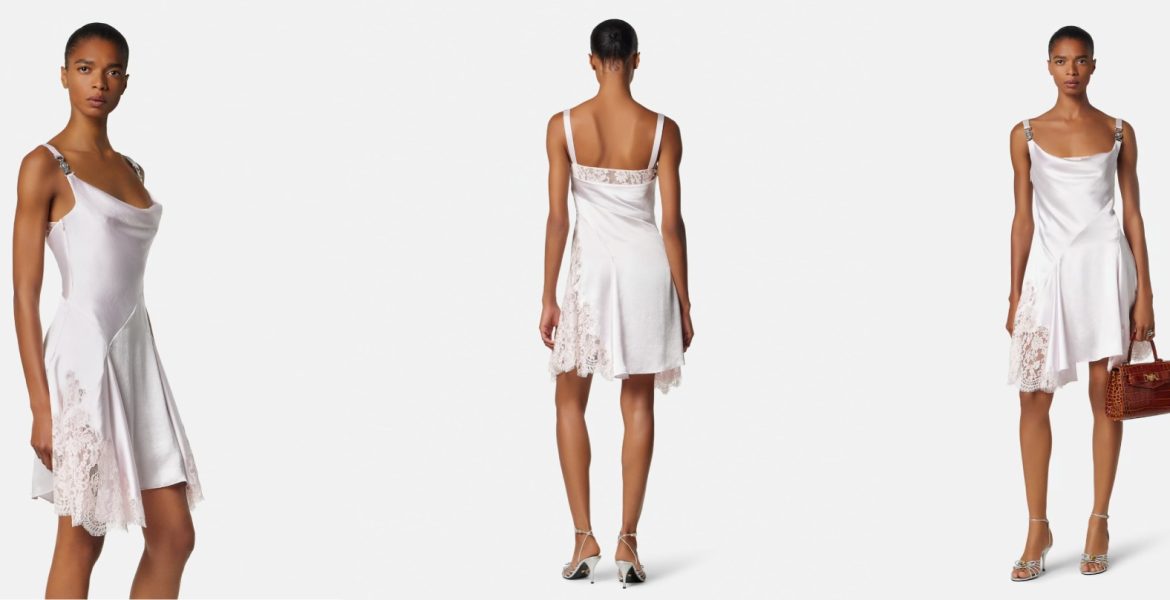
A luxury dress has little room to hide
Cut, fabric, proportion and movement all have to work at once, because the dress is often the first thing people notice and the piece they remember. In luxury fashion, it communicates taste, confidence and control. Italian fashion gives the dress a particular language: structure, sensuality, fabric discipline and presence. The strongest pieces do not rely on decoration alone. They understand the body, the room and the reason the dress is being worn.
Why Italian design gives the dress its presence
Italian design treats the dress as architecture in motion. A sleeve, neckline, waistline or hem can change the whole attitude of the look. The effect comes from proportion first, then detail. For those studying how form, confidence and occasion dressing meet in contemporary luxury, collections of Italian designer dresses by Versace show how the dress remains one of fashion’s most expressive silhouettes. The interest lies in presence: a dress that can hold attention without excess.
Craft is visible in the cut, fabric and finish
Craft shows in the way a dress sits on the body, keeps its shape and moves when the wearer walks. Fabric choice matters because each material brings a different kind of authority. Silk can soften the line. Crepe can sharpen it. Jersey can create movement. Satin, structured knits and evening textiles change the tone. Seams, lining, drape, fastenings, hardware and proportion separate luxury dresses from pieces designed only for a trend.
Modern elegance is no longer one single look
Modern elegance has widened. It can mean a precise black dress for dinner, a sculptural mini for a private event, a fluid evening dress for a formal room, or a printed piece worn with restraint. Luxury fashion now moves across cocktail evenings, gallery openings, resort occasions and daytime dressing. The common thread is intention. A designer dress should match the wearer and the setting. It can be bold, quiet, structured or fluid, but it still needs a clear point of view.
Occasion dressing rewards a clear point of view
Choosing a designer dress begins with the occasion, then moves to silhouette, movement, fabric weight, neckline, length, footwear, jewellery, and outerwear. A dress for a formal dinner needs different control from one worn at a resort evening. A strong dress reduces the need for over-accessorising. The best look feels edited. Jewellery can sharpen the neckline. Shoes can change the mood. A jacket or coat can add authority.
The lasting value of a dress with identity
A luxury dress has value when it feels relevant beyond one season. Pieces with strong cut, quality fabric and a defined design language tend to outlast trend-led purchases. They can return to the wardrobe because their appeal is not tied to one passing mood. Every dress does not need to be minimal. A memorable piece can have print, colour, shape or hardware. The key is identity: distinctive without becoming costume-like, and versatile enough to be styled across occasions.
Elegance lives in the final edit
A designer dress succeeds when craft, confidence and restraint meet. Italian designer dresses remain compelling because they understand the body, the occasion and the power of a finished look. Luxury dressing is less about abundance and more about precision. The right dress does not need to explain itself. It carries craft, confidence and the quiet authority of a complete look.
Article edited by Karl Webber