
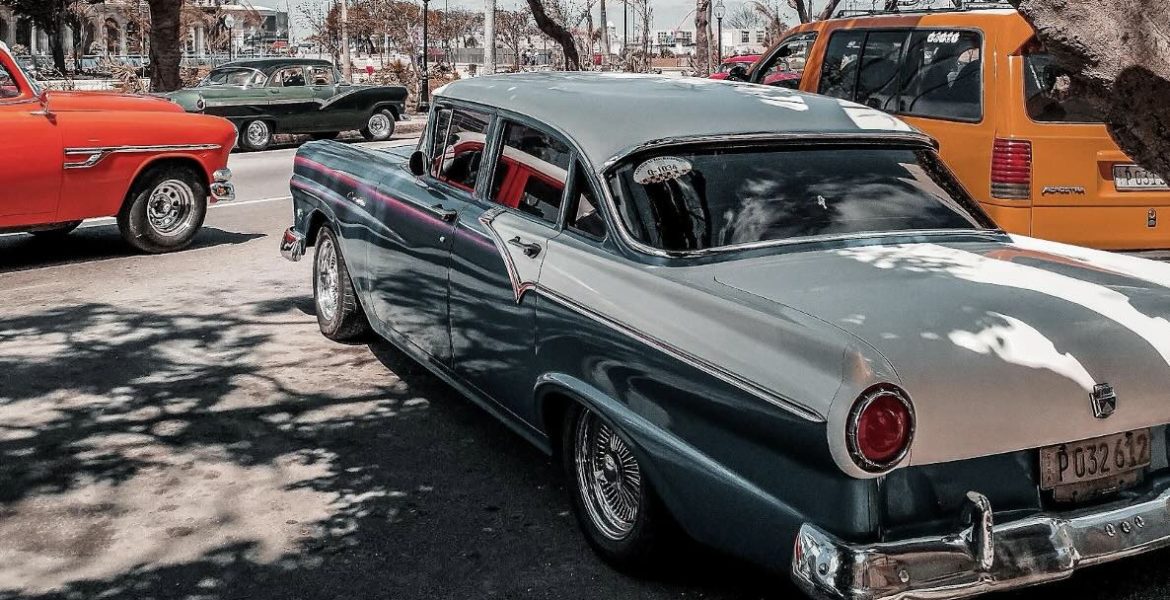
Collecting classic cars provides a unique blend of passion and tangible asset ownership. Unlike standard luxury vehicles that drop in value the moment they leave the showroom floor, certain classic cars hold their ground. Some even appreciate significantly as the years go by. Many automobile enthusiasts view vintage rides as mobile investments. Finding models that maintain strong market interest requires knowing which eras and marques carry lasting prestige.
The Lasting Appeal of Vintage European Sports Cars
European sports cars from the mid-twentieth century set the standard for automotive design and engineering. Low production numbers and unmistakable body shapes keep these models at the top of collector wish lists. Buyers constantly look for well-preserved examples that offer a pure, analog driving experience. When searching for prime investment candidates, buyers often browse options such as Beverly Hills Car Club’s collection to find rare models. Restored convertibles and coupes from famous European brands regularly outperform inflation. Pristine condition and original matching parts drive the strongest demand in this segment. Maintaining historical accuracy is key to long-term value retention. Original paint colors, period-correct interiors, and fully documented service histories add massive value over decades. Enthusiasts value authenticity above modern modifications.
Iconic German Engineering That Holds Value
German manufacturers established a reputation for build quality and performance decades ago. Vintage models from the 1970s and 1980s continue to see strong demand due to their durable construction and timeless styling. Collectors appreciate vehicles that can handle actual road use without sacrificing market worth. Market data shows that 57% of millennials express strong interest in classic car ownership. This generational shift is pushing interest toward usable classics from this era. Air-cooled engines and classic rear-engine layouts remain extremely popular among younger buyers entering the market.
- Early generation air-cooled sports coupes
- Limited-production roadsters from the late 1960s
- High-performance luxury sedans with manual transmissions
- Classic homologation specials built for racing homologation
These specific categories tend to weather market dips far better than standard production vehicles. High-performance trims with lower build numbers usually command the highest price premiums.
British Classics and the Collector Market
British classics represent some of the most recognizable shapes in automotive history. Elegant curves and open-top designs made these cars legendary during the 1950s and 1960s. Their cultural impact keeps them highly desirable across global auction markets. While some segments experience normal market fluctuations, top-tier British models hold steady investment appeal. Buyers value comprehensive restoration records and original factory options. Vehicles with verified provenance or celebrity ownership histories often fetch top dollar.
Italian Masterpieces with Unmatched Heritage
Italian classic luxury cars carry a unique emotional appeal that few other markets can match. Hand-shaped body panels, high-revving engines, and rich racing traditions make these cars prized possessions. Owning one is often seen as entering an exclusive club of motor enthusiasts. Limited production runs mean supply rarely meets demand for top Italian models. Even entry-level models from historic brands maintain solid price floors over long ownership periods. Collectors treat these vehicles like fine art, preserving them in climate-controlled garages.
Rare Italian Attributes That Protect Resale Value
Vehicle heritage plays a massive role in long-term financial performance. Models designed by famous Italian coachbuilders retain higher resale values than standard factory bodywork. Provenance and rarity act as a strong hedge against market volatility.
- Hand-crafted aluminum body panels from famous design houses
- Matching-numbers V12 and V8 engines with original carburetors
- Low original production numbers verified by factory archives
- Well-documented participation in historical rallies or shows
Vehicles meeting these criteria consistently attract serious global buyers. Original factory documentation serves as absolute proof of authenticity during high-value transactions.
American Muscle and Grand Tourers
American luxury grand tourers and big-block muscle cars hold a secure spot in automotive culture. Massive engines and distinctive styling make these cars uniquely attractive to domestic and international collectors alike. Original, low-mileage examples command impressive prices at public auctions.
Key Factors That Protect Your Automotive Investment
Purchasing a classic vehicle purely for financial growth requires careful research and realistic expectations. Storage costs, proper insurance coverage, and routine mechanical maintenance impact overall returns. Buying the absolute best example you can afford yields better long-term performance than buying a bargain project car. Professional inspections prior to purchase help prevent costly surprises down the road. Hidden rust, incorrect replacement parts, or unverified serial numbers destroy investment potential fast. Working with established specialists guarantees clear titles and authentic documentation.
Storage and Maintenance Considerations
Keeping a vintage luxury car in top condition requires specialized care. Climate-controlled environments protect delicate interiors, electrical systems, and bodywork from environmental damage. Regular mechanical exercise keeps engine seals fresh and fluids circulating properly. Documenting every service appointment and repair adds tangible value over time. Prospective buyers willingly pay premiums for vehicles backed by organized stacks of service invoices.
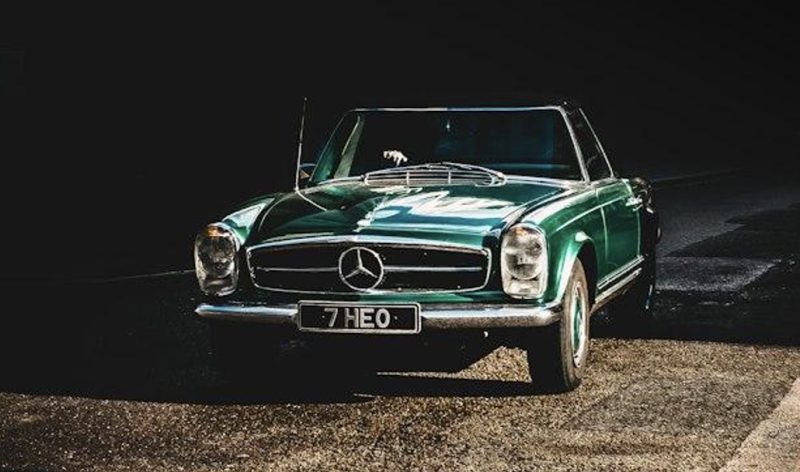
Classic luxury cars offer a practical blend of utility, aesthetics, and financial stability when chosen wisely. Selecting models with strong historical importance and verified originality keeps your capital secure while giving you full access to weekend drives.
Article edited by Alexander Elisab