
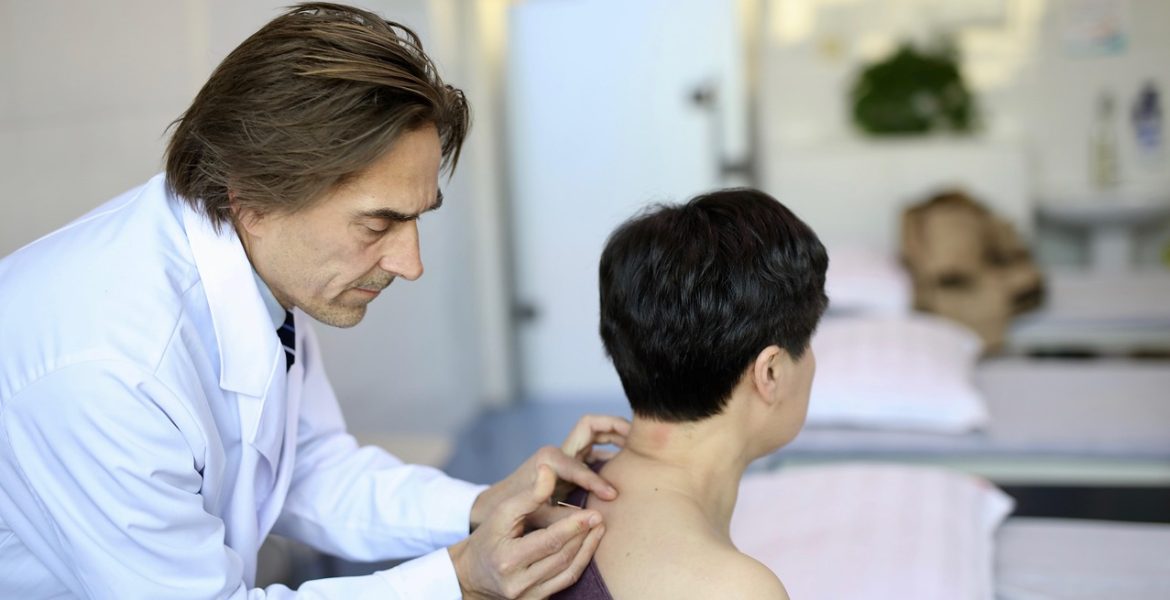
Women today are more informed and health-conscious than ever before. They actively seek options, ask questions, and want to play a central role in their bodies and healthcare decisions. This growing sense of empowerment reshapes how women approach everything from reproductive health to preventive care. Yet, despite this progress, many still face roadblocks. Misinformation, stigma, and limited access to trustworthy resources can delay or complicate their journey to better health. Finding the truth can be challenging in a world where information is abundant but not always accurate. That’s why it’s more important than ever to equip women with the tools and support they need to make confident, informed choices.
The rise of medical consumerism in women’s health
Medical care has become increasingly personalised and market-driven. Women are now seen not just as patients but as consumers of health and wellness services. According to Statista, the global health and wellness industry had a size of $6.8 trillion in 2024. From fertility tracking apps to hormone therapy, the market constantly pushes products promising better health outcomes. But behind the glossy branding lies a deeper issue: a growing cycle of dependency on trends, not always rooted in science. Social media only adds to the noise. Influencers and health bloggers often blur the line between genuine advice and sponsored content, making it difficult to know what or whom to trust. Women are urged to “take charge” of their health, but profit-driven narratives often overshadow evidence-based guidance. What’s framed as empowerment can sometimes be clever marketing in disguise. This makes it harder to tell which solutions are truly helpful and which may cause more harm than good.
When “safe and effective” isn’t enough
In the world of women’s health, new treatments and medical devices are often welcomed with hope. They promise faster recovery, greater convenience, and a better quality of life. However, the consequences can be devastating when these innovations are introduced without adequate testing or transparency. One striking example is the vaginal mesh controversy. Vaginal mesh was once promoted as a simple fix for pelvic organ prolapse and urinary incontinence. It was marketed primarily to postpartum women. However, what began as a trusted solution soon revealed serious flaws. Thousands of women came forward with reports of chronic pain, mobility issues, and organ damage. Their accounts highlighted long-ignored safety concerns. Public outcry pushed the issue into the spotlight, drawing attention to gaps in regulatory oversight. Critics argued that some mesh products reached patients without solid evidence of long-term safety. In the UK, The Guardian reported that 140 women received undisclosed compensation for mesh-related injuries, further confirming the widespread impact. While some legal battles are ongoing, many say the harm can’t be undone. The vaginal mesh lawsuit remains a powerful example of how safety can be sidelined. Major settlements were reached, but many victims say the damage remains. Their stories continue to shape the debate on patient safety.
Systemic gaps in the medical device industry
The mesh controversy revealed deeper flaws in the device approval system. It showed that regulatory safeguards are often not strong enough. The 510(k) pathway has also contributed to this problem. The FDA writes that the 510(k) pathway allows a medical device to be easily approved if a similar device already exists in the market. This shortcut can bypass full clinical trials and safety reviews. Manufacturers face pressure to launch products quickly. That urgency can overshadow long-term safety and patient well-being. Doctors may receive limited training on new devices. This increases the risk of improper use and complications for patients. The medical device industry is influential and vast. Without stronger oversight, flawed products may keep reaching vulnerable users.
Informed consent vs. misleading marketing
According to Cornell Law School, informed consent means knowing all risks, benefits, and alternatives before agreeing to treatment. Many women never receive that clarity. Some are rushed into decisions based on incomplete or overly positive information. That weakens patient autonomy and trust. Language shapes perception. Unfortunately, jargon and vague reassurances can mask real dangers. Marketing often highlights the benefits while downplaying the risks, creating a skewed picture. Meanwhile, doctors sometimes rely on data provided by manufacturers without digging deeper, which can lead to biased or even unsafe treatment recommendations. What patients truly need is transparency, not sales tactics. Medical conversations should be honest, clear, and genuine, two-way. That’s the foundation for trust, better decisions, and safer care.
Advocacy and the path toward reform
Activists and patient groups have stepped up, demanding stronger regulations and greater accountability. They’re pushing for thorough testing, clearer labelling, and ongoing safety monitoring to protect women’s health. In response, the FDA has begun tightening the approval process; some mesh devices are now classified as high-risk and face much stricter scrutiny. Awareness campaigns are empowering women to know their rights. They encourage asking tough questions and seeking second opinions when something feels wrong. Meanwhile, medical schools focus more on women’s health, preparing future doctors to provide better care and communicate honestly and empathetically. Change doesn’t happen overnight, but progress is underway. The message is clear: patients must always come before profits in healthcare.
FAQs
What should women look for when researching a new medical treatment or device?
Women should check if the treatment has FDA approval, review peer-reviewed studies, and consult multiple medical professionals. Avoid sources that rely heavily on testimonials or influencer promotion. Seeking information from unbiased health organizations or academic institutions is crucial for making safe, well-informed decisions.
How can women report adverse effects from medical products?
Women can report complications or side effects to the FDA through the MedWatch program. Many hospitals and clinics also have internal reporting systems. Filing a report helps with personal documentation and contributes to broader patient safety monitoring and regulatory improvements.
Are there organisations that help women navigate medical harm or malpractice?
Yes, groups like the National Women’s Health Network and nonprofit legal aid organisations offer support. These groups provide educational resources, legal guidance, and connect individuals with others facing similar issues. They also advocate for better health policies and more accountability in medical care. Women’s health should be guided by science, transparency, and compassion, not marketing pressure or corporate interest. The vaginal mesh lawsuits serve as a warning. They are not the only cases where safety has been overlooked for speed or profit. Empowerment means being fully informed and protected. That starts with eliminating blind spots, biases, and outdated approval systems. Transparency must become the norm. Only then can women take charge of their health confidently and clearly.
The fight for honest, patient-centred care continues. With growing awareness and reform, a safer future is within reach.
Article edited by Alexander Elisab