

The summer season as well as being gratifying from a psychological point of view for the positive sensations linked to the rise in temperatures and the consequent lightening of the wardrobe, and for the more excellent perception of the beneficial effects of sunlight brings with it, also brings to the fore a series of evaluations and treatments, indispensable for maintaining tissue elasticity, and in principle to counter all those phenomena that accompany skin ageing also defined as ageing.

While ageing can’t be stopped, it can certainly be slowed down. Its cause is clear: a complex genesis of an extrinsic nature, such as exposure to solar radiation, and all those factors that in some way contribute to the increase in so-called oxidative stress, a multifactorial pathology that leads to the release of highly unstable and reactive molecules called free radicals and to no less important intrinsic phenomena linked to hormonal imbalances or genetic predispositions.
Ageing inevitably leads to anatomical changes affecting all areas, from the bone, with increased reabsorption and greater fragility, to the ligamentous area, with loss of elasticity, and, of course, the adipose area. These are rather complex situations, consequently leading to a change in volume and altered proportions, especially in the face, which, as we all know, is fundamental for social impact and our self-esteem.
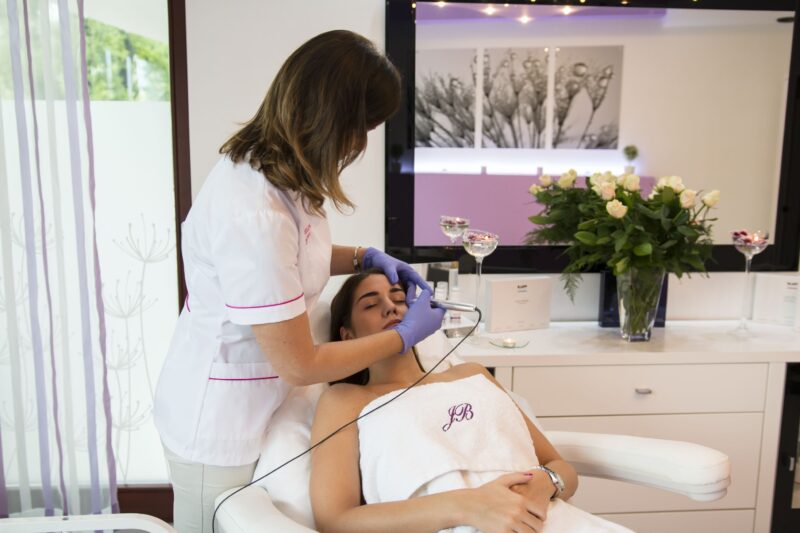
The use of less invasive procedures than surgical ones has allowed not only the availability of a truly vast range of products, with a high degree of tolerability and safety and an excellent integrative capacity, but also a widening of the coverage scope, including patient refractory to any surgical procedure, with an evident and attractive widening of the age range, as both a lowering and an increase in the average age of patients choosing aesthetic treatment has been noted.
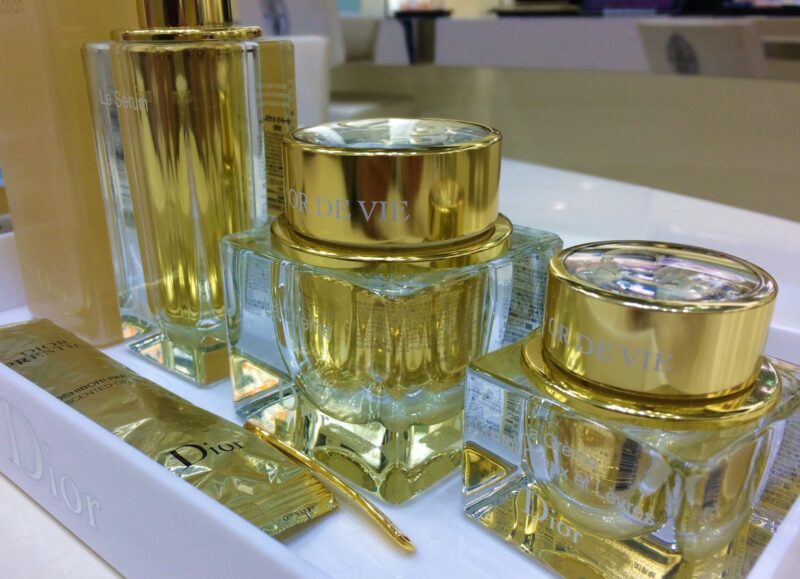
The most popular products, for example, involve the use of hyaluronic acid, a sugar molecule, precisely a glycosaminoglycan, with a linear polymeric conformation that makes it capable of retaining large quantities of water and, as a matter of course, moisturising the tissues, which are the main element of the extracellular matrix.

With time, their quantity tends to decrease, making it necessary to use products that compensate for their deficiency or stimulate their production. The injectable product, produced synthetically, is used either as a volumetric element if it consists of more or less large cross-linked molecules or as a bio-stimulant. Next comes the use of botulinum toxin, a drug that is certainly known to most but whose mechanism is not always well understood by patients, who sometimes mistakenly think of it as a filler. In the classic formulation or inserted in a mixture of amino acids and hyaluronic acid, botulinum toxin is primarily used in rejuvenating the face and neck.
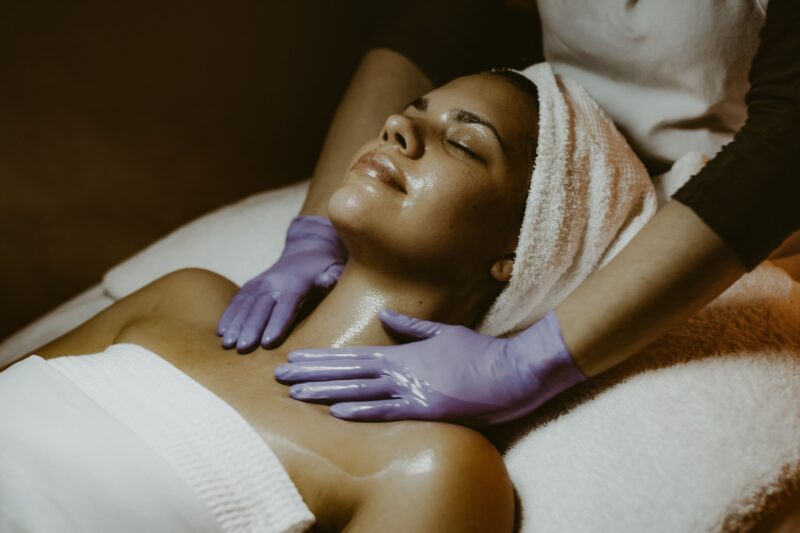
Then come the various treatments connected with using electromedical equipment such as radiofrequency, laser, carboxytherapy, cavitation, chemical peelings, and traction or bio-stimulating treatments with suspension wires. Interestingly, all these products or machines allow a preventive treatment that, especially with a thermally warmer season, effectively delays the dreaded signs of ageing with a global and synergetic approach to achieve the best and, as far as possible, lasting result. Last but not least, dermo-cosmetic support is an effective weapon against thermal stimuli, with products that help prevent hyperpigmentation and help the skin defend itself against photo-ageing lesions such as wrinkles, lentigo and keratosis. It should be pointed out, in fact, that all injected products are destined for more or less delayed absorption, which necessarily presupposes their repetition in order to maintain optimal patient satisfaction.
Thus, it is essential to emphasise the constancy of treatments to maintain adequate tropism and keep the skin’s elasticity and tone as long as possible, with healthy, glowing skin.

Article edited by Dr Edward Richard Battisti
Plastic Surgeon