
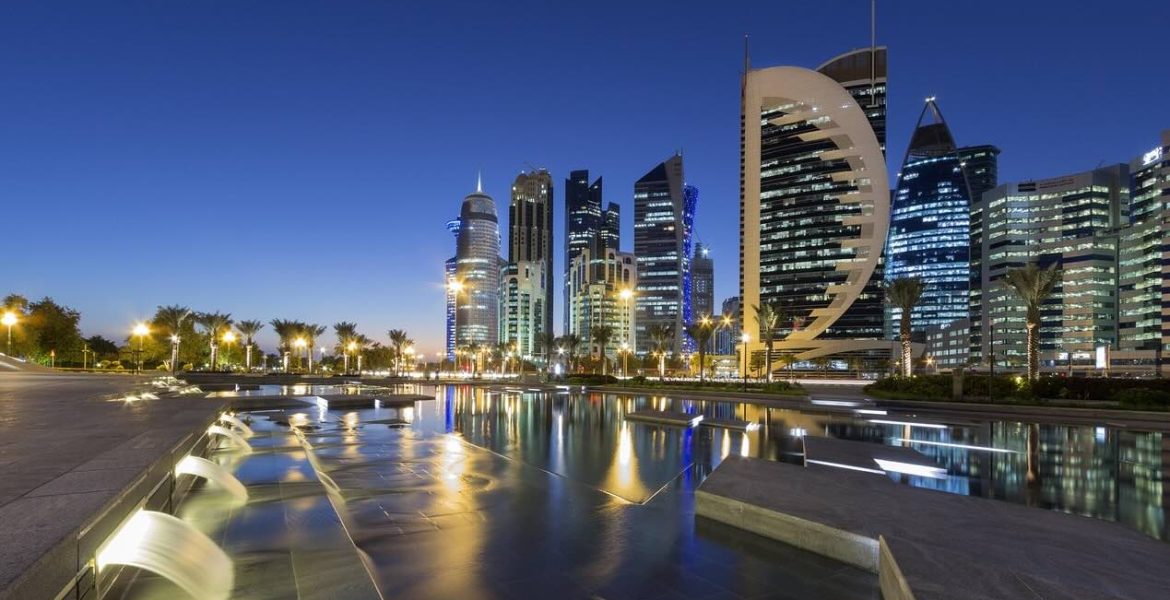
In the first half of 2025, Qatar’s tourism rate saw a 3% increase compared to 2024, a year that had seen an impressive jump of 14% from the year before. The growth of tourism was jump-started by the country hosting the 2022 World Cup, but it has maintained the momentum this event created, with Qatar aiming to make tourism a staple industry for its economy. The country isn’t just focusing on major global events like the World Cup. It’s building a reputation for being a luxury destination with high-end resorts, designer shopping experiences, desert adventures, and cultural and culinary explorations. Let’s explore how Qatar is shaping up to become a premier luxury destination that stands out in the competitive tourism market.
Resorts, Luxury, and Exclusivity: Lavish Desert Stays and Adventures
Hotels, resorts, and private accommodations are an essential component of an appealing tourist destination, and Qatar is placing a great number of resources into building these amenities. The country has built world-class stays that offer a sense of privacy and exclusivity, while merging these experiences with a sense of adventure, luxury, and retreat from daily life.
Luxury Suites, Private Islands, and Glamping Retreats
Qatar has seen some of the best-known luxury hotel businesses set up resorts and hotels in the country, like Hilton, Ritz-Carlton, and Four Seasons. These deliver the expected luxury and beautifully designed suites and dining areas. Some, like the Ritz-Carlton Sharq Village, are modelled after local architecture and styles, giving a uniquely Qatari essence to the accommodations. Beyond these, many independent, lavish spaces have been built for tourists, including resorts that offer desert glamping, private villas, and private beachfront stays. Top options include Al Messila, Banana Island Resort Doha, and Habitas Ras Abrouq.
Luxury and Adventure Converge
For guests of these luxury hotels and resorts, there’s another feature that draws them in: luxurious desert adventures. A key adventure tourists will find is desert safaris. These take adventure seekers out into the dunes, sometimes on four-wheelers that reach high speeds and tear through the desert terrain, and sometimes by camel, offering a slower pace and a more traditional method of exploring the dunes. Other desert adventures include sand surfing, cave exploration, and overnight desert stays.
Doha’s Iconic Hotels and Futuristic Skyline
Qatar’s capital, Doha, has become the country’s financial hub and has developed a reputation for its blend of modern and traditional Qatari culture. The blend is particularly evident in the city’s architecture, with its iconic skyline, and in its culinary experiences.
Futuristic-Meets-Traditional Hotels
Doha is home to widely recognised hotels like The St. Regis and Banyan Tree. These are now iconic fixtures of Doha’s skyline and play a role in the city’s reputation for its futuristic look.
The St. Regis combines traditional Arabian architecture with modern elements to create a sense of refined elegance. It pairs traditional Qatari motifs and design elements, warm sand tones, and sea-glass blue colour schemes with refined modern furniture and lines in its style. The most awe-inspiring aspect of the hotel is its views of the Pearl and Arabian Sea, which were intentionally framed by the hotel’s architecture.
Banyan Tree emphasises the concept of “Trees of Life” with nods to this symbol throughout the building, including a black walnut structure in the 28th-floor lobby. Paired with this natural element are metallic elements and curved, rounded silhouettes that deliver a fusion of futuristic and traditional styling.
Refined Global Culinary Experience
Doha’s food scene has multiple Michelin-recommended restaurants and three that have earned a Michelin star, showcasing the culinary excellence the city delivers. Each of these Michelin-starred restaurants is tucked away in grand buildings, like the Museum of Islamic Art and the Sheraton Grand Hotel, making the location a part of the experience as much as the food. These restaurants are celebrated for the quality of their food, the look and ambience of their dining rooms, and the quality of service offered by staff.
Museums, Arts, Tradition, and More: Qatar’s Cultural Tourism
Qatar has a rich culture and heritage, with unique traditions, art, and architecture that draw on the styles and elements of neighbouring Middle Eastern countries and cultures, creating a rich tapestry of culture for tourists to explore. Showcasing its art and culture, the country has museums, galleries, and heritage sites that guide tourists and locals through the country’s history and arts.
Museums and Heritage Experiences
Sites like the Museum of Islamic Art (MIA) and the National Museum of Qatar (NMoQ) are cultural anchors in Doha. They present opportunities to explore the history of Qatar and the greater Middle Eastern region. The MIA has an extensive collection of Islamic art, with works from around the world. It includes numerous exhibits and learning opportunities for all ages, and the museum itself is an impressive work of architecture. It was one of the first projects developed by Qatar Museums, playing a role in generating tourism and bolstering local education. The NMoQ explores Qatar’s history, present, and future in an immersive and fascinating way, with exhibits and workshops. Like the MIA, it has many learning opportunities for all ages and plays a huge role in education and tourism.
Art and Architecture
From historic sites like Al Zubarah Archaeological Site and Al Jassasiya Rock Art Site to the Katara Towers and the NMoQ, art and architecture are found across Qatar, creating significant appeal for tourists looking to immerse themselves in new art and architectural experiences. The fusion of the old and new also extends to the art world, with museums celebrating the ancient and modern alike, and festivals like the Qatar International Art Festival (QIAF) bringing global art and artists to the forefront.
Fierce Competition: The Gulf’s Rising Reputation as a Luxury Hub
Qatar isn’t the only country in the Gulf Cooperation Council that’s experiencing rapid tourism growth. Many countries in the GCC are working to increase tourism by investing in tourism infrastructure. Some are even shifting their regulations of entertainment, like gambling, to create an experience that’s truly unique and widely appealing.
The Gulf as a Luxury Hub
Qatar, Dubai, Abu Dhabi, and Oman are shaping tourist industries with a unique identity, though each emphasises luxury in its offerings. The Gulf’s location makes it an appealing and central destination for many parts of the world due to its shorter travel times and the enjoyable experience that awaits visitors upon arrival. These countries are also heavily investing in mega projects and infrastructure that make them even more desirable for tourists. However, the UAE is making a significant shift that stands out in this luxury hub by embracing gambling at a regulatory level.
The UAE’s Shifting Gambling Stance
In 2027, the UAE is scheduled to launch the Wynn Al Marjan Island resort project. The project will be a casino resort, the first of its kind in the GCC. The UAE has recently created a framework for gambling regulations, though it hasn’t yet brought it into full effect. That said, it’s anticipated that the regulations will be embraced in time for the opening of the Wynn Al Marjan Island. The framework also explores the legalisation of online gambling, an increasingly popular option globally. Even places with no current framework for online gambling activities see people taking part in the activity, as the activity largely exists in a legal grey area. Whether gamblers visit qatarcasino.com or other gaming platforms, the UAE’s step to develop a gambling legal framework could signal broader shifts occurring across the GCC.
What Does the Future of Luxury Tourism in Qatar Hold?
With the groundwork laid through luxury hotels, alluring tourist activities, and lavish experiences, Qatar is shaping up to become a luxury travel hub. Showing no signs of slowing down, its Vision 2030 emphasises sustainable development designed to help the country and its residents thrive. One of the pillars of the vision is economic diversity, and tourism is a key component in helping to achieve this. This means that the country will likely continue to invest in tourism opportunities that will garner international attention, as it did with the 2022 World Cup, by opening up avenues such as wellness tourism and emphasising its unique form of cultural tourism.
Article edited by Mark Webber