
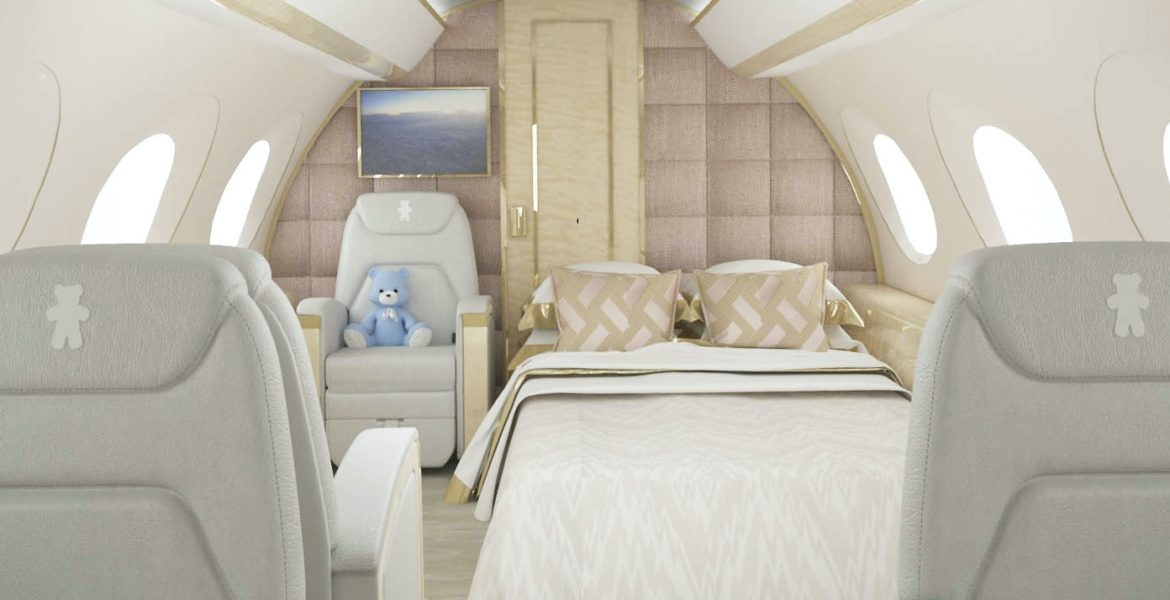
The Federal Aviation Administration (FAA) reports that over 3 million passengers fly every day in and out of US airports. People of all ages and walks of life prefer this method of travel, as it’s one of the quickest ways to traverse the world. While some people fly solo, others fly with their entire families. Sometimes, that involves bringing infants along, and this can be a tricky situation. Flying private can help, as parents can have a calmer and less crowded environment. This, plus a few other tips, can make jetting across the globe much easier.
Choose between ready-to-feed vs. powder formula
The type of formula you bring can make a huge difference when you’re flying with a baby. There are two main types: ready-to-feed and powder. The first can be especially useful during takeoff and landing since you don’t have to mix the formula. This reduces the chances of the liquid clumping or getting air bubbles, which can upset your infant’s stomach. Plus, it’s more convenient for feeding when you’re in a moving aircraft. However, powder formula can work just as well; you just need careful preparation. Trusted brands like Aptamil have both types available, so you can have them on hand whenever you travel.
Have a feeding and sterilising kit for the cabin
Being prepared is key to smooth feeding in the air, especially if you’re using powder formula. That way, you won’t have to be scrambling mid-flight.
Essential things to remember to bring are:
- Extra bottles
- More formula
- Backup feeding options
For quick access, consider pre-portioning powder into individual containers. Or you can pack sealed, ready-to-feed bottles. Also, remember that onboard sterilisation options can be limited. So packing sterilising tablets or compact steam bags can be a huge help.
Have smart scheduling around naps
Traveling with the family can be challenging, especially if your baby is cranky from lack of sleep. So take advantage of the flexibility that comes with private aviation. For example, you can book a flight right before their usual nap. That way, there’s a higher chance that your infant will sleep for most or all of the journey.
You can also recreate familiar sleep conditions with things like:
- A favorite blanket
- White noise
- A dedicated FAA-compliant car seat
Create a calm, low-stimulation environment
One of the biggest benefits of flying private is that there’s a quieter environment. But even then, babies can still become fussy.
To prevent this from happening, you should:
- Use soft lighting
- Minimise sudden noises
- Bring infant-safe earmuffs
Using gentle rocking, offering a pacifier, and giving them familiar toys can keep your baby engaged without overwhelming them. It can also be helpful to keep pre-flight activities calm, as this can help avoid overstimulation even before boarding.
Make the most of FBO facilities
Fixed-based operators (FBOs) are great for travellers since there are no crowded terminals. There are quality facilities available with amenities like:
- Quiet lounges
- Private restrooms with changing areas
- A relaxed environment
Families can simply drive up directly to the aircraft, so no one needs to carry heavy baby gear around. To take full advantage of FBO facilities, coordinate ahead with your operator, and they’ll ensure that your specific needs are met.
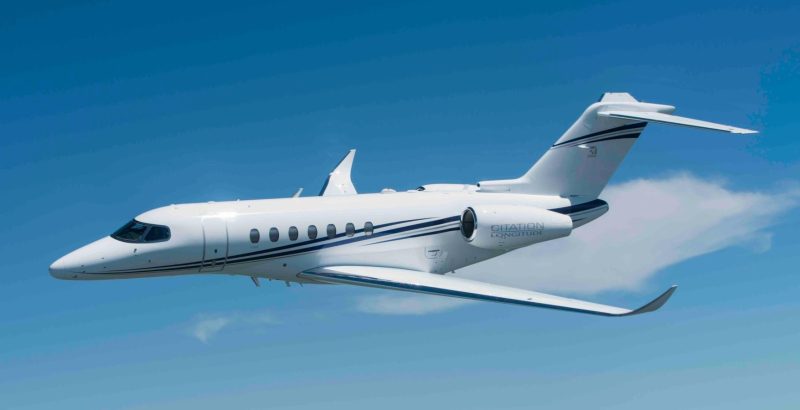
The early years of parenthood can be hard, especially if you’re travelling around the world with an infant in tow. However, flying private can eliminate many issues that come with traditional transportation, and if you follow our tips, both you and your baby can enjoy trips that are less stressful and more comfortable.
If you liked this article, then take a look at our other pages to find out more about jet travel.
Article edited by Karl Webber