
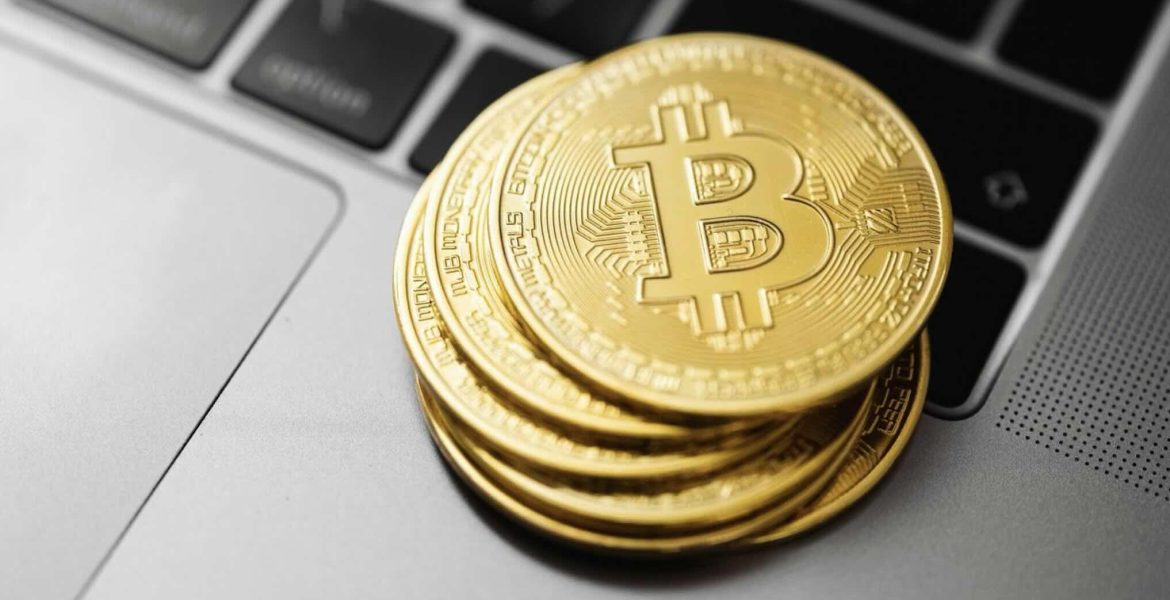
The world of high fashion and luxury cars is shifting. Brands once known for tradition and legacy are increasingly opening their doors to digital currency. Payment in Bitcoin, once unthinkable in the highest strata of retail, is now appearing as a badge of modern sophistication. Companies are aligning exclusivity and technology in a manner that reflects how affluent consumers think: freedom, luxury, and innovation.
The digital foundations behind the trend
As luxury brands experiment with Bitcoin payments, the broader digital economy supporting those transactions is evolving in parallel. Behind the sleek storefronts and curated showrooms lies an expanding architecture of digital finance. From smart wallets and NFT marketplaces to decentralized payment gateways, a new financial ecosystem is taking shape, one that mirrors the exclusivity, transparency, and autonomy valued in the luxury world. Among these innovations, some of the best decentralized exchanges (DEXs) stand out for their seamless peer-to-peer trading and quiet efficiency. Built on smart contracts and automated liquidity systems, they show how digital value can move with precision and clarity, qualities increasingly echoed in the luxury sphere. With features like asset diversity and verifiable on-chain records, these exchanges embody the same digital fluency now captivating forward-thinking brands. (Source: https://99bitcoins.com/bitcoin-exchanges/decentralized-dex/ )
This fusion of independence and refinement extends across both realms. Just as decentralised networks redefine how value flows, luxury brands are redefining how prestige interacts with technology. The evolution feels seamless, a subtle alignment between craftsmanship and code, and it is within this space that fashion houses began to take notice.
Fashion icons turn tech-savvy
In recent years, major labels such as Gucci, Balenciaga, and Off-White have rolled out initiatives allowing customers to pay in cryptocurrencies. Gucci began accepting crypto payments in select U.S. stores in 2022, listing several coins including Bitcoin. Balenciaga followed a similar path, underscoring how digital payments have entered the fashion house playbook. The reasoning is clear: for the upper-echelon consumer, using Bitcoin is not just convenience, it is currency as exclusivity. A quiet ripple has spread through the industry. Boutique labels and bespoke designers now follow suit, treating digital currency not as novelty but as part of modern luxury’s language, a balance of tradition, technology, and choice.
Cars, watches and beyond
The trend extends beyond runway labels. Luxury automaker Ferrari has begun accepting cryptocurrency payments at its U.S. dealerships and recently expanded to Europe, signaling how even established premium carmakers are adapting. Watchmakers such as TAG Heuer and Hublot have also introduced crypto-friendly payment options for select collections, reflecting the broader shift across high-end retail. Across sectors, the message is consistent: technology-driven payment methods fit luxury’s next chapter. The art world has followed a similar trajectory. Auction houses such as Sotheby’s and Phillips have experimented with digital assets, including cryptocurrency transactions in select sales and NFT auctions. For these institutions, the inclusion of cryptocurrency is not merely a nod to innovation, it’s a bridge to a clientele fluent in both culture and code. The same collector who purchases a vintage Patek Philippe might now settle a digital artwork in Bitcoin, reinforcing how the digital economy is reshaping the meaning of ownership and prestige.
Why the shift?
The rise in Bitcoin’s value over recent months has not gone unnoticed by luxury brands. As cryptocurrencies gain renewed attention, they are increasingly seen not just as assets but as means of spending. For luxury houses, the motivations are diverse. One key driver is the opportunity to attract customers who already hold crypto, and who view luxury goods as one expression of financial freedom. Another factor is brand image. Offering crypto payments positions a brand as forward-thinking, contemporary, and unafraid of technological change. Analysts have noted that providing the option to pay in Bitcoin helps brands avoid being perceived as old-fashioned or disconnected from the digital generation of wealth.
The practicalities and symbolism
Accepting Bitcoin is not purely symbolic, though symbolism plays a large part. Many luxury retailers immediately convert cryptocurrency payments into traditional currency to protect themselves from volatility. The actual volume of crypto transactions remains modest, yet the gesture carries weight. For consumers with access to significant digital-asset wealth, paying in Bitcoin becomes a statement of independence, a way to operate outside conventional financial rails while enjoying the most traditional expressions of luxury.
A fusion of luxury and digital identity
We are witnessing a moment where opulence meets blockchain. The affluent shopper of today values not only craftsmanship and heritage but also the freedom to transact in ways that reflect a digitally native identity. Brands that recognise this are repositioning themselves accordingly. From premium handbags to high-performance vehicles, the ability to pay in Bitcoin is becoming part of the modern luxury narrative. As the digital-asset ecosystem matures and regulatory clarity increases, the alliance between high-end luxury and cryptocurrency may deepen. The luxury sector’s willingness to embrace Bitcoin signals that what was once considered fringe has evolved into a new symbol of status, one that merges the exclusivity of heritage with the boldness of innovation.
Article edited by Mark Webber