
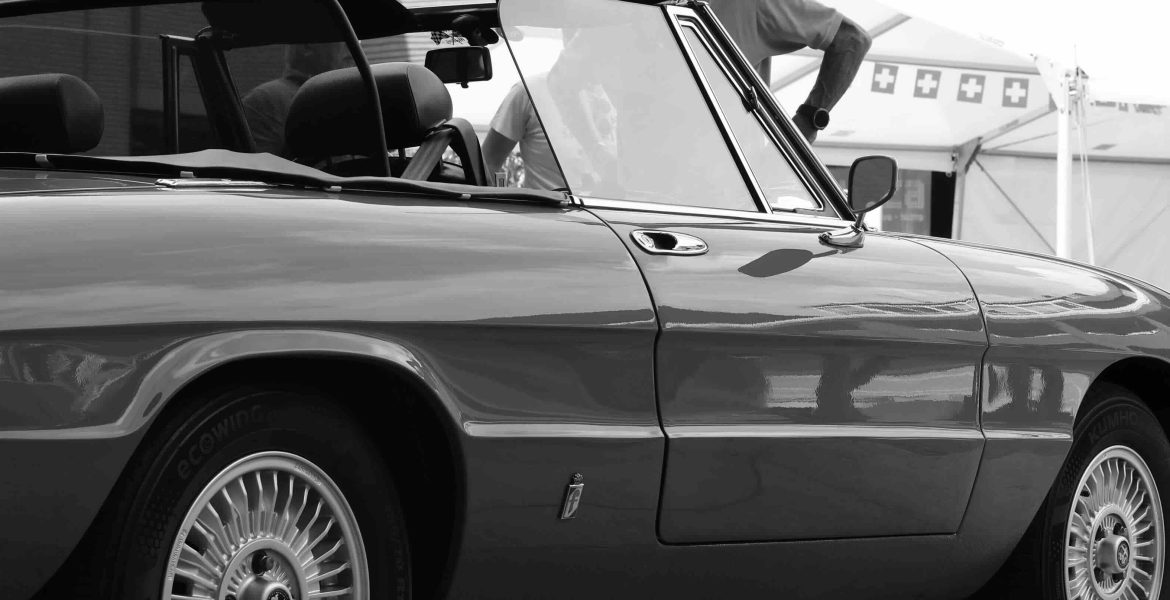
The art of keeping history alive: why preserving automotive heritage means preserving the people, skills and stories behind it. We live in a world defined by constant change. Electric mobility, digitalisation and autonomous technology are rapidly reshaping the way we think about the automobile. Yet, despite this relentless progress, historic cars continue to fascinate us. Their appeal lies not only in their beauty, rarity or mechanical character, but in what they represent: a world of craftsmanship, mechanical knowledge, patience and human connection that risks being lost as technology moves forward.
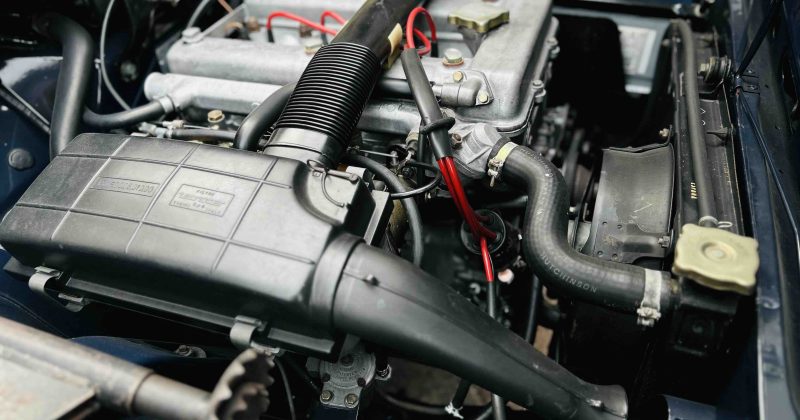
A historic car is more than an object. It is a fragment of its time, shaped by the design, engineering and craftsmanship of an era. Its materials, construction techniques and mechanical solutions tell the story of how automobiles were conceived and built, while the marks of use and restoration often add another layer to its identity. Preserving such a vehicle therefore means preserving much more than its physical form: it means protecting the knowledge, techniques and stories connected to it. From mechanics who understand engines from another era, to craftsmen capable of restoring interiors and upholstery, and specialists able to reproduce small components that are no longer readily available, an entire network of skills thrives behind every historic vehicle.
Many of these abilities cannot simply be replaced by modern technology; they have to be learned, practised and passed on. At the heart of this challenge lies one crucial question: who will carry this knowledge forward? As experienced specialists retire and fewer young people are introduced to traditional automotive craftsmanship, valuable knowledge risks disappearing with them. Some skills have already become increasingly difficult to find, and the challenge is therefore not simply to preserve the cars themselves, but to ensure that there are people capable of understanding, maintaining and appreciating them in the future.
Luxury has traditionally been associated with rarity, exclusivity, craftsmanship, heritage and authenticity. Yet there is another form of luxury that is perhaps easier to overlook: knowledge. Understanding how an engine was designed and built. Discovering why a certain material was chosen. Knowing the story behind a car and the people who created it. Objects can be restored and techniques can be replicated, but the knowledge behind them can only be preserved by passing it on. It is this belief that lies at the heart of Next Heritage, a recently established association dedicated to preserving and sharing automotive heritage while creating a bridge between generations. Rather than focusing solely on ownership, Next Heritage seeks to make the world of historic cars more accessible, particularly to young people who may be curious about the subject but have never had the opportunity to approach it through workshops, encounters with experienced professionals and participation in historic car events. One example was a workshop held at Garage Bellotti in Verscio, where participants had the opportunity to meet Tino, the garage’s long-standing owner, and Professor Giuseppe Criscione, a former teacher at the SPAI in Trevano.
Beyond the technical aspects, the value of the experience lay in the exchange of knowledge between generations. The association is also collaborating with Swiss Railpark in Biasca on the restoration of a 1963 Austin Mini Moke, providing another opportunity to experience automotive heritage through practical work rather than simply observing it from a distance. For Next Heritage, the goal is not simply to create a new generation of collectors. It is to encourage curious young people who understand the value of what they are looking at. The association’s commitment to bringing new generations closer to historic motoring will also continue through events. In 2026, Next Heritage will take part in the Circuito di Campione, offering eight places for young participants to experience the event as drivers.
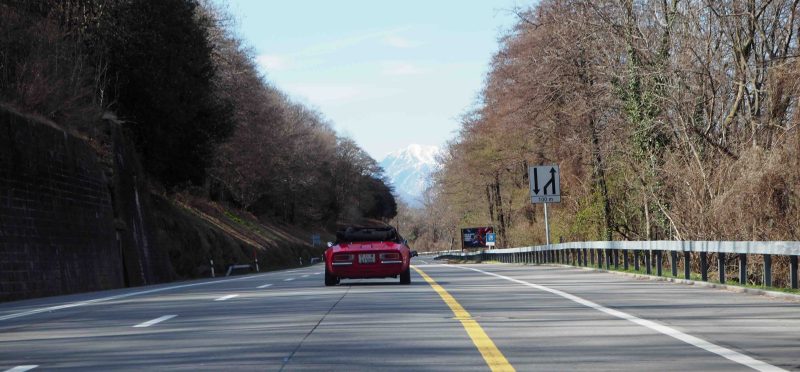
Keeping automotive history alive is not about looking backwards. It is about giving the past a future. Every restored vehicle, every skill rediscovered and every young person inspired to learn represents another piece of heritage carried forward. Because the true value of a historic car may not lie solely in the machin e itself, but in the knowledge, craftsmanship and stories that allow it to keep moving.
Discover more @ https://nextheritage.ch
Article edited by Eleonora Maniezzo