
Luxury resists universal definition. What reads as prestige in Tokyo barely registers in Dubai. The comfort a traveller craves in Copenhagen has nothing to do with what pulls people toward a Maldivian beach. Geography, culture, and history write the rules of exclusivity, and the best brands have abandoned the idea of one global playbook. They’re learning to speak in regional dialects instead. The global luxury market has been adjusting after years of rapid expansion. Industry data reveals uneven movement, with some regions slowing down while others pick up speed. People still want exceptional experiences, but “exceptional” shifts with location and circumstance. Digital spaces have caught on. High-end platforms, from concierge apps to regulated online casinos offering similar games found in flagship venues, now layer convenience and personalised service over their core experiences. Prestige migrates but never disappears.
Japan: When Silence Speaks Louder Than Logos
A traditional ryokan reveals something distinctive about Japanese luxury: it whispers. The concept of omotenashi, which guides hospitality across the country, values anticipation over announcement. Staff members remember guests’ preferences before they are mentioned. A note appears at the right moment. This approach positions luxury as invisible care rather than visible wealth. A handwritten note outweighs marble floors. The most prestigious moment might be when someone refills a guest’s water glass before they notice it’s empty. Global brands that win in Japan invest as much in training these subtle gestures as they do in product displays.
Scandinavia: Comfort as the Ultimate Status Symbol
Travel northwest to Copenhagen or Stockholm, and luxury takes on a different texture. Prestige hides in plush throws, warm lighting, and rooms that feel human-sized rather than palatial. The Danish concept of hygge has moved far beyond living rooms, shaping how boutique hotels signal exclusivity. Comfort here isn’t the opposite of luxury, but proof that someone invested time to make everything feel effortless. Tactile fabrics and natural materials become status markers. This aesthetic has shaped global design trends precisely because it offers an alternative to traditional opulence while maintaining clear signals of quality.
The Gulf: Where Scale Becomes Spectacle
Fly south to Riyadh or Dubai and the luxury conversation shifts dramatically. The GCC markets have grown while some Western regions slowed, driven by young consumers and ambitious development. Prestige here often manifests through scale, velocity, and theatricality. Mega-developments, watch boutiques with museum-quality displays, and fashion drops that feel like cultural events all speak to a market that values newness. But success requires more than flash. The brands that thrive balance aspiration with cultural authenticity, respecting local traditions while staging experiences that feel genuinely contemporary.
Barefoot Luxury: When Less Signals More
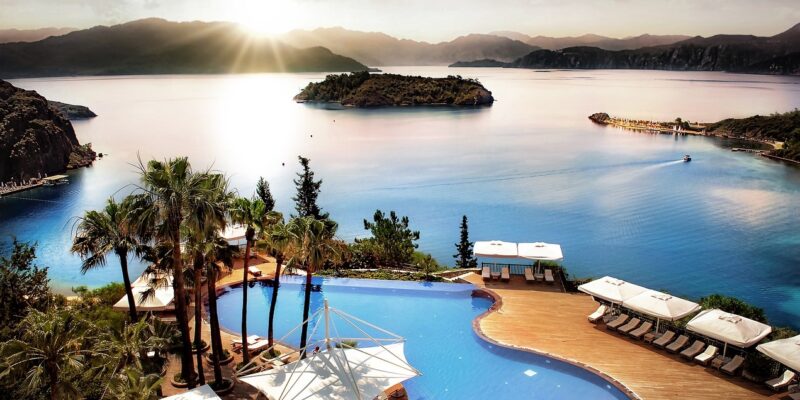
Remote islands from the Maldives to the Caribbean developed their own luxury language. “Barefoot luxury” strips away formal dress codes in favour of direct nature access, privacy, and sustainability credentials. What once meant white-glove service now means unmediated connection to place and local culture. These resorts market renewable energy systems and community partnerships alongside their infinity pools. The prestige comes from having an untouched beach and knowing the stay doesn’t damage the environment. This code has influenced properties far from tropical waters, showing up in urban hotels that emphasise values over veneers.
Luxury in Evolving Markets
The Chinese luxury market defies a simple summary. Visible status markers still matter, but they intersect with digital discovery and complex social etiquette around gifting. Recent surveys show buyers becoming more selective while still expecting innovation and flawless service. For brands, prestige in China involves community building and digital sophistication as much as product heritage. In the United States, luxury moves differently depending on where the plane lands. New York chases polish and pedigree, Austin wants experience over objects and Miami builds around spectacle and nightlife energy. Australian consumers look for authenticity rooted in the outdoors, whether that means wine estates in the Barossa Valley or direct access to the reefs off Queensland. Brazil’s luxury world, anchored in São Paulo and Rio de Janeiro, pulls European refinement into conversation with local makers and a rising generation of Brazilian designers who are claiming their place. What works in these markets comes down to understanding what people actually want in each location, not rolling out the same approach everywhere.
What Defines Luxury Now
Three shifts are redefining exclusivity across markets. Scarcity now means time and attention more than limited editions. An unhurried check-in or perfectly paced meal feels rarer than any numbered bag. Comfort has evolved from thread counts to frictionless systems, whether that’s Nordic warmth, Chinese app integration, or Gulf retail speed. Prestige gathers around meaning. Sustainability credentials count on islands, cultural fluency matters in the Gulf, and Europe holds market share by treating heritage as living culture rather than museum pieces. In the United States, where casinos posted record revenues in 2023, both physical venues and digital platforms win on curated service, not just size or selection.
For brands, success means learning each location’s grammar of prestige and composing within it. For travellers, it’s choosing what matters at the intersection of comfort, scarcity, and meaning. Luxury at its best isn’t what costs the most everywhere. It’s what becomes irreplaceable somewhere.
Article edited by Alexander Elisab