
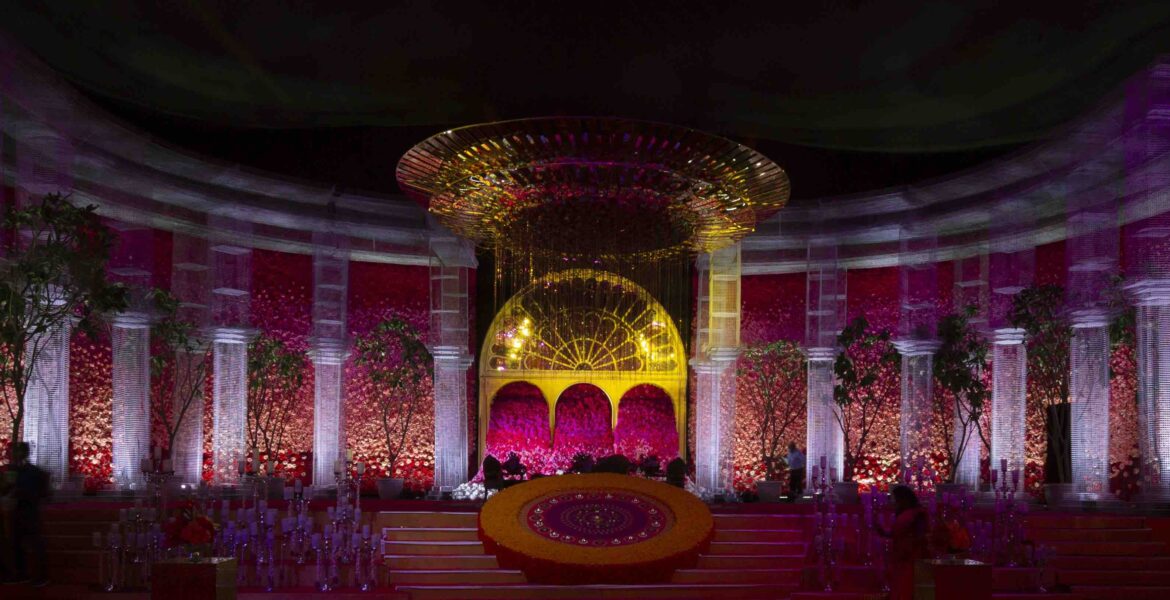
Tomas De Bruyne is an incredibly talented International Master Flower designer and floral architect, a trendsetter, an artist, and a great inspiration for the entire wedding and events Industry worldwide. Tomas specializes in architectural and conceptual floral space design. His extraordinary installations are renowned worldwide, from Royal and Indian weddings to public and huge corporate events; his works create over-the-top emotional experiences that always wow the guests.
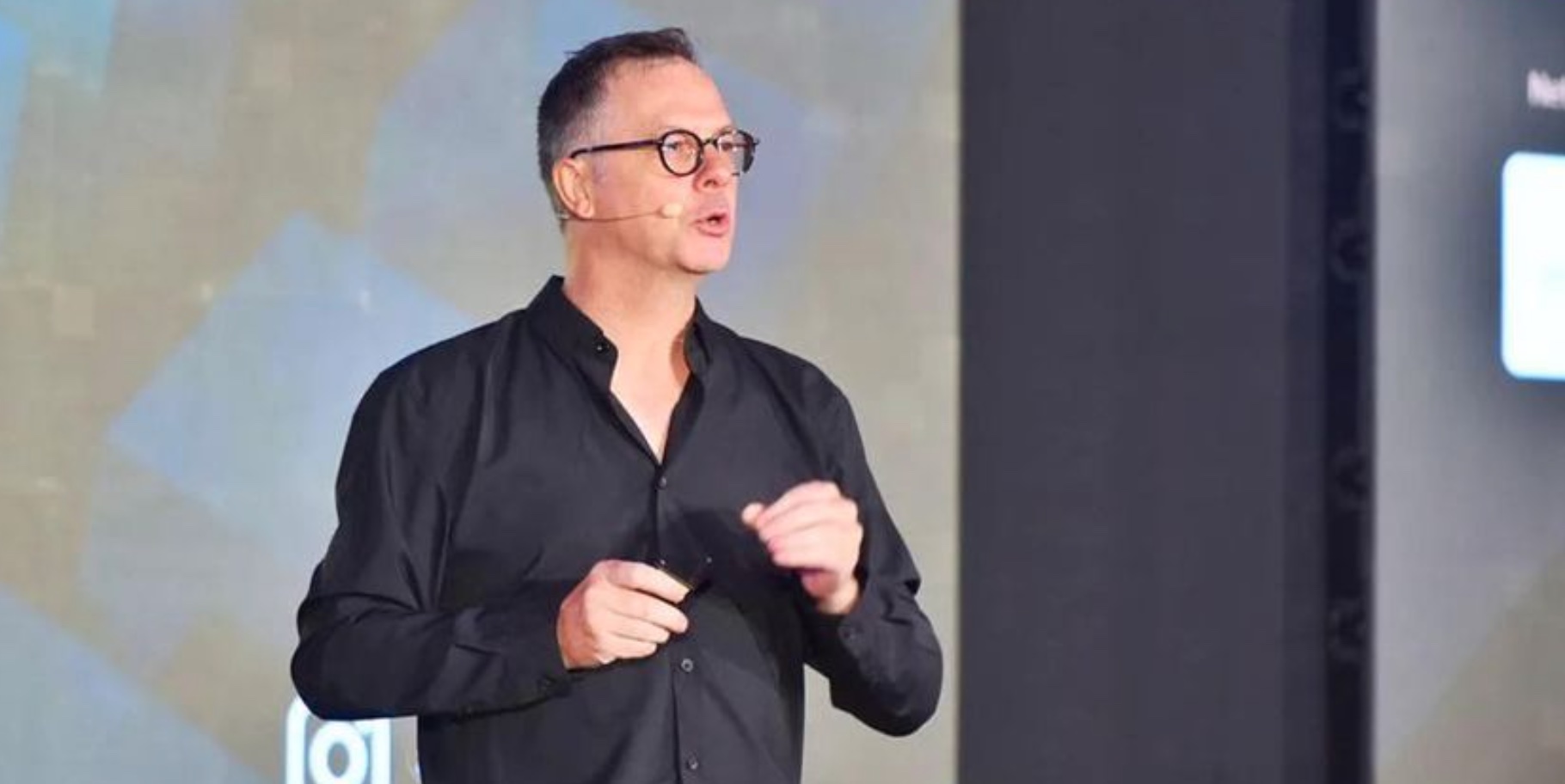
– Tomas De Bruyne –
He has participated in many national and international competitions, winning prestigious awards and world cups for the best technical works, and he is also the founder of EMC (European Master Certification), a floral design educational program online. His philosophy is to create artistic works with full respect for the character and qualities of each flower. His research in composition aims to achieve harmony, in which nature is the ultimate teacher. In his compositions, the flower is the protagonist with its beauty and magic in which the mystery of nature is revealed. Let’s discover some insight from Tomas’s wonderful world of flowers, colours, ideas, and art together.
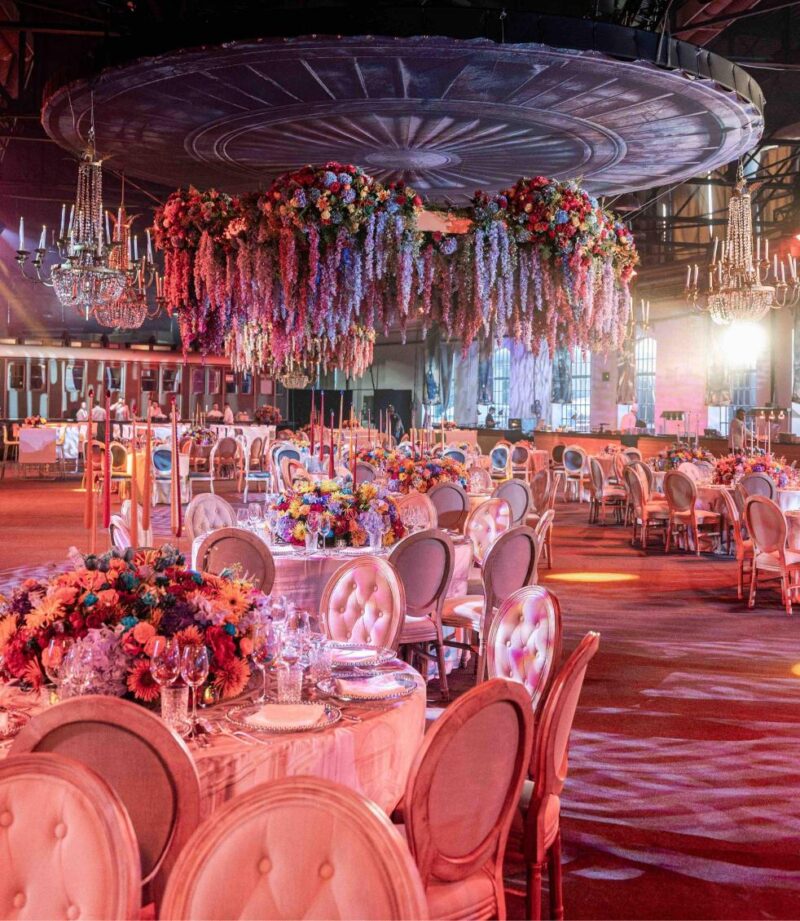
Last April, an extraordinary event occurred in Holland to celebrate the new Tomas De Bruyne Tulip. A flower named with your name is an important moment in your life and career. Can you tell us more about this unique tulip and that baptism?
It’s an immense honour to be asked if a flower can carry your name; it’s undoubtedly an excellent recognition of one’s achievements. However, for me, the true satisfaction doesn’t come from the recognition itself, but from what that it signifies. It’s about being acknowledged for your impact on the industry, the legacy you’re building, and the difference you continue to make. It’s a form of gratitude, not just for what I’ve accomplished but for what I am still striving to do in the future. The ‘Tomas De Bruyne Tulip’ is an extraordinary gift bestowed upon me by Frank Timmerman, a renowned tulip specialist whose influence in the sector is truly remarkable. Frank shared these moving words at the presentation: ‘This tulip bears the name of Tomas De Bruyne, in homage to his profound contributions to the art of floristry and the education of nature. Celebrated for his optimistic view of life and revered by those who know him as a true nature enthusiast, this radiant pink tulip will proudly carry the name Tomas De Bruyne.’
At the official baptism of the tulip, Frank and Joris Schouten—the grower who spent 15 years cultivating this unique flower, handed over the certificate, marking the event with a shared passion for our crafts. This isn’t the first time I’ve been given the immense privilege of having a flower named after me. In 2018, a Gloriosa Rothschildiana was named in my honour during a breathtaking event atop a rooftop in Las Vegas. Her Royal Highness Princess Nora from Saudi Arabia graciously agreed to be the godmother of the flower, a personal connection that beautifully illustrates how business relationships, at their core, are about embracing human kindness. These moments are incredibly humbling and remind me that passion, when shared with others, creates lasting bonds that transcend the work itself.
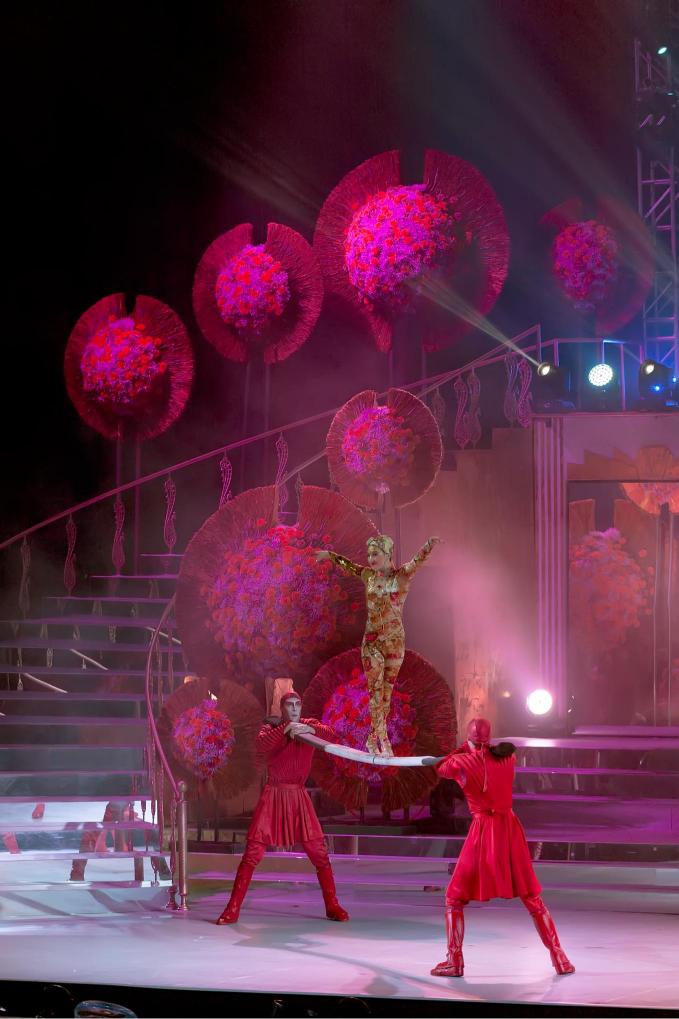
Education for future generations of flower designers is a must. What is your favourite teaching method for your classes? How long have you been teaching courses for florists and flower designers? How is education evolving?
Hear, hear! Education is essential for sharing our knowledge and experiences and building a foundation that allows the next generation to go beyond what we’ve done. No evolution in consciousness can occur on this planet without education. I firmly believe that proper education happens through experience, as it fosters growth in awareness and consciousness in everything we do. I focus on three core elements in my teaching: INTENT, IMPLEMENTATION, and IMPACT. It may sound theoretical, but making it practical is as simple as asking yourself, Why am I doing this? This question deepens your awareness and sharpens your consciousness, allowing you to bring your creative identity to the forefront. We all possess a unique creative DNA, and sometimes, it takes the guidance of a teacher or mentor to help that creativity flourish. For me, a designer must truly understand these three elements and be able to play with them as a musician would play with notes. These principles work for every creative mind on the planet:
- First, you should see POTENTIAL in the elements or medium you work with. This ability allows you to elevate each aspect to its highest potential, serving its best quality and ultimately achieving the desired outcome you and your client envision.
- Second is INTERACTION. Just as the interplay of different notes creates music, the magic in design happens through the interaction of your elements. Think of a chef—no one tastes, just one ingredient on the plate; the experience is created by merging flavours. Similarly, the more you understand how elements interact and the gestalt they can make, the greater the magic experienced in your work.
- Finally, the ability to communicate is crucial. It’s about transitioning a thought or a wish from your client through your medium—in my case, not only flowers but also space and the impact they create. A helpful tip is to start every project with the 5 W’s (Who, What, Where, When, Why). This brings clarity and awareness to your process, guiding you naturally to the next stage: how to execute it.
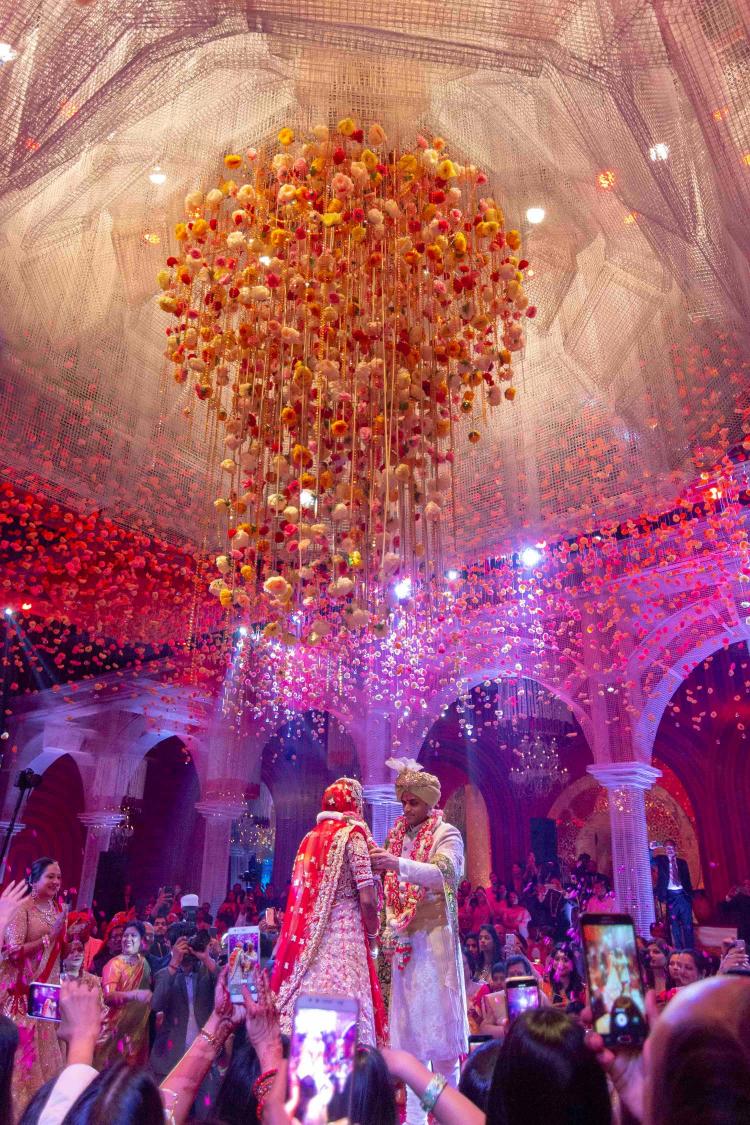
Over the years, I’ve witnessed a significant evolution in how students approach learning. A decade ago, most students and florists were focused on the WHAT—what is new, what is available, what can I take from the market and move forward with? As time passed, curiosity expanded, and people became increasingly interested in the HOW. They wanted to know the tips, tricks, and materials behind the designs, which was a positive step forward. Now, the next generation is shifting its focus to the WHY. They understand that when they grasp the ‘why,’ the ‘how’ and ‘what’ naturally follow in the creative process. I teach the importance of process because the quality of the process directly impacts the quality of the result. The outcome of any design reflects the care and precision put into its creation. While we all possess different skill levels in our craft, we excel in certain areas, often leading us to discover passions that bring true fulfilment. If you’re curious about your skill level as a florist, EMC International a renowned floral education program, offers a quiz that can help you assess where you stand. Visit www.EMCprogram.com to discover which of the five levels you’re at and receive personalized guidance on elevating your expertise.
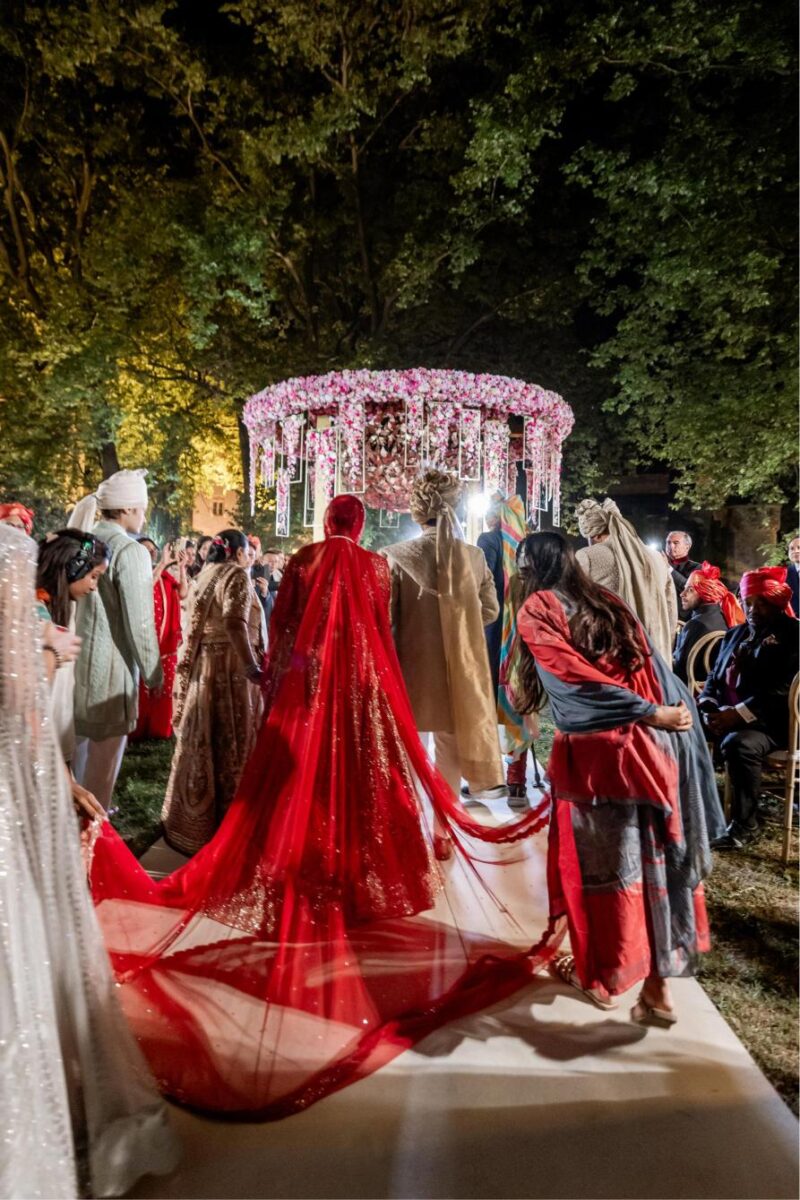
This year, you will have a special Educational Experience in Puglia, Italy, at the excellent Trullo MO from 9 to 12 December. Can you reveal some details of this exclusive four-day masterclass? What will the program and the theme be?
I’m incredibly excited to host this exclusive masterclass in Puglia this December at the beautiful Trullo Mo’. I’ve been invited to teach at their stunning venue, which perfectly aligns with our passion for quality and craftsmanship. Over three days, from the 9th to the 12th of December 2024, we’ll dive into floral design with a special focus on creating festive Christmas arrangements that blend with the region’s natural beauty. I challenge everyone to Google and discover Trullo Mo’s stunning location. It’s the perfect venue, as Mo’ is more than just a place—it’s a way of interpreting life. It’s about enjoying the present and being fully aware of the here and now. This venue offers a new concept of travel and experience. Having had the privilege of visiting myself, I can say it radiates positive energy and uplifting vibes. This three-day session will be more than just a masterclass; it will be a complete experience. It’s not simply a retreat for well-being, but an opportunity to grow, enrich, and rediscover oneself. You’ll be immersed in a timeless place, with historic buildings reinterpreted by contemporary taste, all enhanced by the finest services. Your life is here and now, and we’ll create something truly unforgettable through the creativity of working with flowers and connecting with nature.
For more details and to join us, visit mo.puglia.it/en/floralexperience
Everyone talks about AI, what do you thing about it?
How do you use it, and what advice should you give those starting to use it? AI is undeniably a hot topic right now, and for good reason. I see it as a powerful tool with the potential to elevate what we do, especially in creative industries like ours. While there’s a lot of buzz, it’s important to remember that AI is not here to replace creativity but to enhance it. Like any tool, its true power comes from why and how we use it. AI demonstrates its ambition by using the word “Imagine,” instantly placing you in the mindset that anything is possible. As Albert Einstein wisely noted, “Logic will get you from A to B. Imagination will take you everywhere.” There’s no better way to begin a Midjourney prompt than with the word “Imagine.” In a decade, our only limitations may be the boundaries of our imagination. While this is indeed a bold statement, it reflects the profound impact AI is poised to have on our daily lives and the very nature of creativity itself.
In my work, AI helps streamline parts of the creative process, from combining ideas to analyzing them. It allows me to focus more on the art and the creative aspects, while it takes care of the more repetitive tasks. One interesting discovery I’ve made while using AI is the idea of ‘happy mistakes.’ These unexpected outcomes often make me rethink my initial designs from new perspectives. What seems like an error can open up fresh possibilities, pushing the boundaries of creativity. Embracing these happy accidents fosters innovation and deeper exploration.
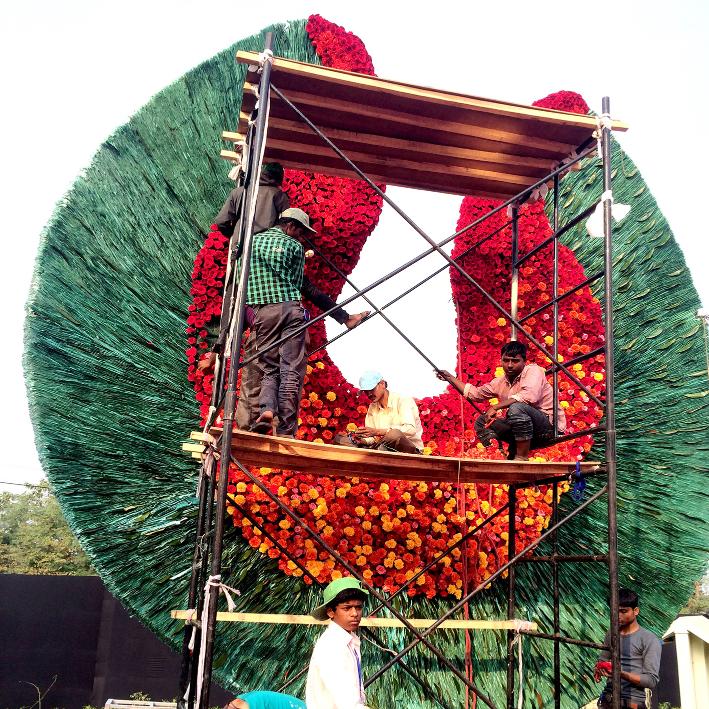
From the moment AI started gaining traction, I knew it was something I had to dive into. I even took a course to force myself to adapt, knowing that businesses that haven’t embraced AI will be left behind in five years. I challenged myself to incorporate AI into my creative process end 2022, deliberately stepping away from my conventional design methods. One of my first projects was a Christmas installation for a shopping mall in India, where I merged traditional Christmas elements with a Zaha Hadid-inspired influence. The learning curve, particularly around how to prompt AI, was invaluable.
Another example is the Panda Festival installation I did for the same client this year in the spring season -where I got the price for Best Thematic Décor of a Shopping Centre, where I used AI to generate visuals of pandas holding flowers, which local artists later sculpted. This approach saved me countless hours that I would have otherwise spent sketching over and over. It’s about finding where AI fits best within my creative process. While I know I’m not yet using it to its full potential, AI is an evolving tool. What I learn today could already be obsolete tomorrow—such is the pace of the tech world.
My advice for anyone just starting with AI is simple: approach it with curiosity and intention. Understand what AI can do, but always remain in control of your creative vision. AI is a support tool, not the driver. It can help you scale your ideas, but your unique human touch makes those ideas stand out and lets your signature style shine. Use AI to complement your creativity, and don’t be afraid of those “happy mistakes; they often lead to the most exciting breakthroughs.”
Let’s talk about inspiration and how an idea becomes a trend.
Inspiration is where every creative journey begins. It often emerges from the most unexpected sources—whether it’s nature, art, architecture, or the small moments in daily life. For me, it’s about staying open and aware of the world around you. Once that initial spark of inspiration strikes, the next step is to nurture and refine it into something that aligns with your personal vision and style. However, turning an idea into a trend is a more intricate process. It’s not just about creating something visually appealing; it’s about creating something that resonates on a deeper level. A concept becomes a trend when it taps into the collective consciousness—when it mirrors or challenges the current cultural or societal moods, desires, or needs. Timing is also a critical factor. Sometimes an idea needs to wait for the right moment to take hold and grow into a movement truly.
In the floral industry, this happens when a design aesthetic, a specific color palette, or even a unique way of arranging flowers sparks the imagination of both designers and clients. Often, it begins within a small, niche community, but as momentum builds and people see its potential to inspire or connect, it turns into a trend. With my work, I realize I have some influence on trends through the way I use botanicals, the combinations I choose, and the forms and shapes I create. My designs naturally make an impact, shaping trends within the industry.
That said, I don’t believe I can single-handedly set a trend. Trends are a collective effort, influenced by various industries and voices. Each year, I purchase a trend book for the upcoming year—or even two years—to stay ahead of what’s expected and to ensure I’m aligned with larger market movements. Over the past three years, I’ve even collaborated with EMC International, a globally recognized floral school, to publish an annual trend report, specifically dedicated to the floral industry.
The key is staying true to your creativity while remaining adaptable. Trends are constantly evolving, and we contribute to shaping them as creators. But it’s also important to let the world engage with and influence those ideas. It’s about finding the balance between leading with your vision and being in tune with what will resonate on a broader scale.
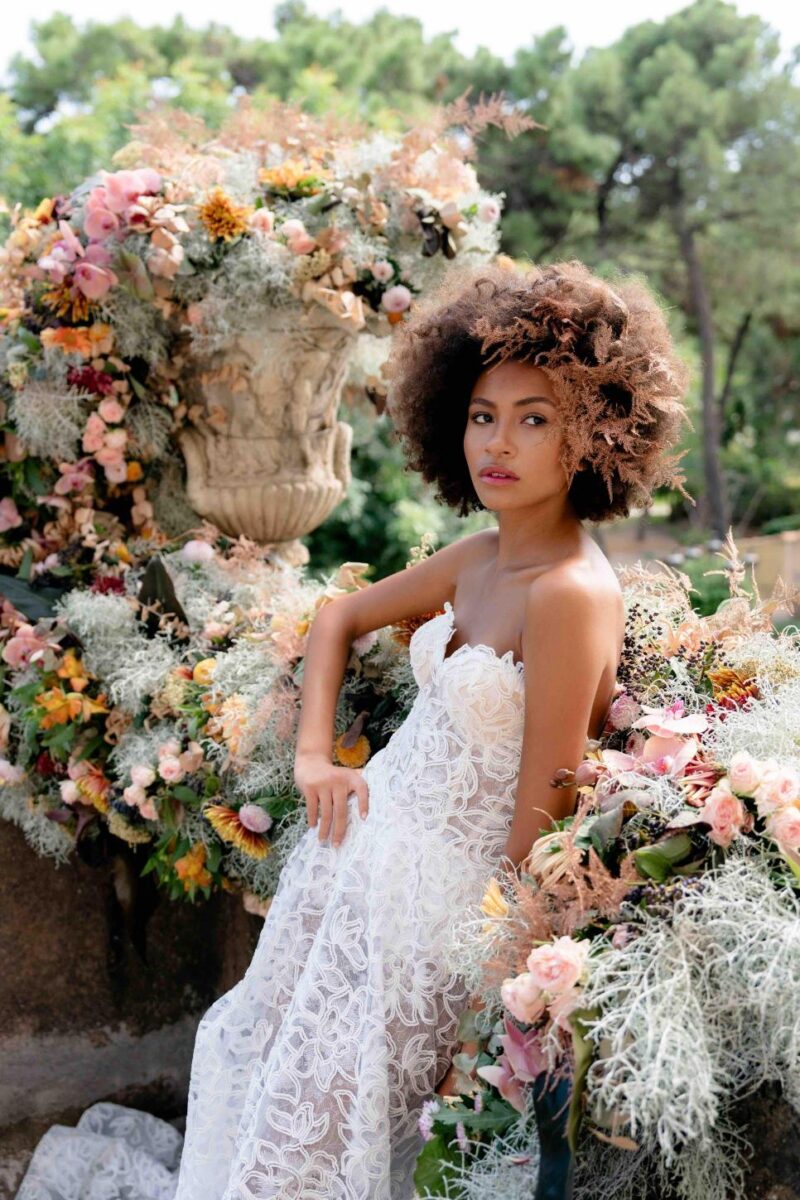
Celebre Magazine World is honoured to show your latest Trends and Ideas from a special project in Sicily, Italy, last week. Can you tell us about your vision and where you started creating these special art pieces?
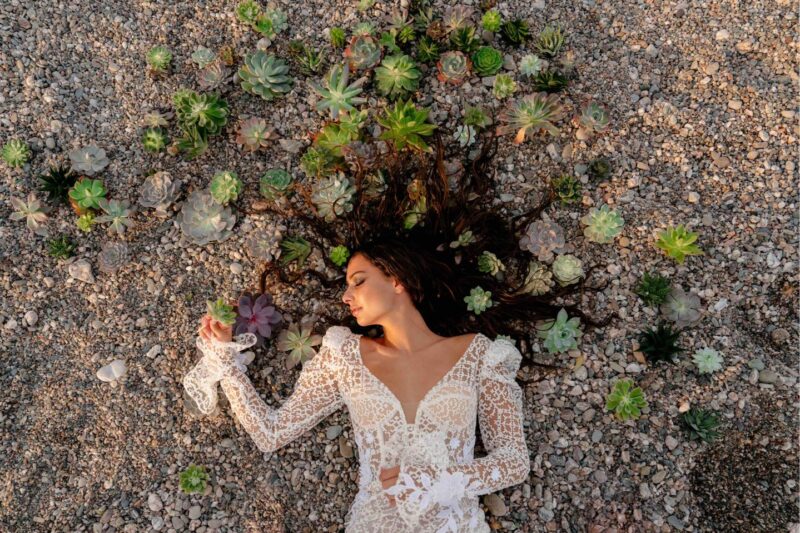
This project showcases the incredible results that can come from collaborating with top-tier professionals in their respective fields. The overall coordination was expertly managed by Diana Da Ros, an event planner with a deep understanding of the fashion industry, who skillfully brought together all the collaborators. From the highly talented photographer Michael Zennaro from Venice to the renowned hair stylist Carmel Spina from Switzerland and amazing make-up artist Fabio Lo Coco from Italy, the beautiful bridal dresses by fashion designer Claudio Di Mari and stunning flowers from Decorum factory, every detail was handled with precision. The professional models from Model Media agency by Gabriele Santoro, dressed in the most stunning bridal gowns, added an extra layer of elegance to the entire project. For me, the creative process began by selecting the trendy color palette for 2025, which guided my choice of botanicals to reflect the mood and upcoming trends. From there, my designs were influenced by the breathtaking surroundings of Castello di San Marco, as well as the camera angles and the overall aesthetic of the shoot.
To delve deeper into your question about my artistic contribution, I often get asked whether I consider myself a designer or an artist. To me, the distinction comes down to purpose and intent. Art is a form of personal expression—an emotional journey that evokes thought or reaction. It doesn’t necessarily have a practical function and leaves room for personal interpretation and exploration.
Design, however, is inherently functional. While creativity is essential, design is about solving a problem or meeting a specific need. It must communicate clearly and serve a purpose, whether it’s enhancing a space, creating an experience, or delivering a message. Unlike art, design demands structure; it’s about balancing form and function to create something that is both visually appealing and practical.
In our work, especially when crafting floral designs for events, this intersection of art and design becomes very clear. While we aim to inspire through beauty and creativity, everything must be meticulously planned to serve the flow and purpose of the event. This photoshoot was no different—we designed with intent, giving the audience and publications a glimpse of what to expect for the upcoming trend season. It’s not just about creating something beautiful; it’s about ensuring that beauty aligns with the overall vision and experience. When you collaborate with such talented professionals, the creative energy is unmatched. Everything falls into place, and the results are always extraordinary. With this level of experience and collaboration, you know you’re set up for success.
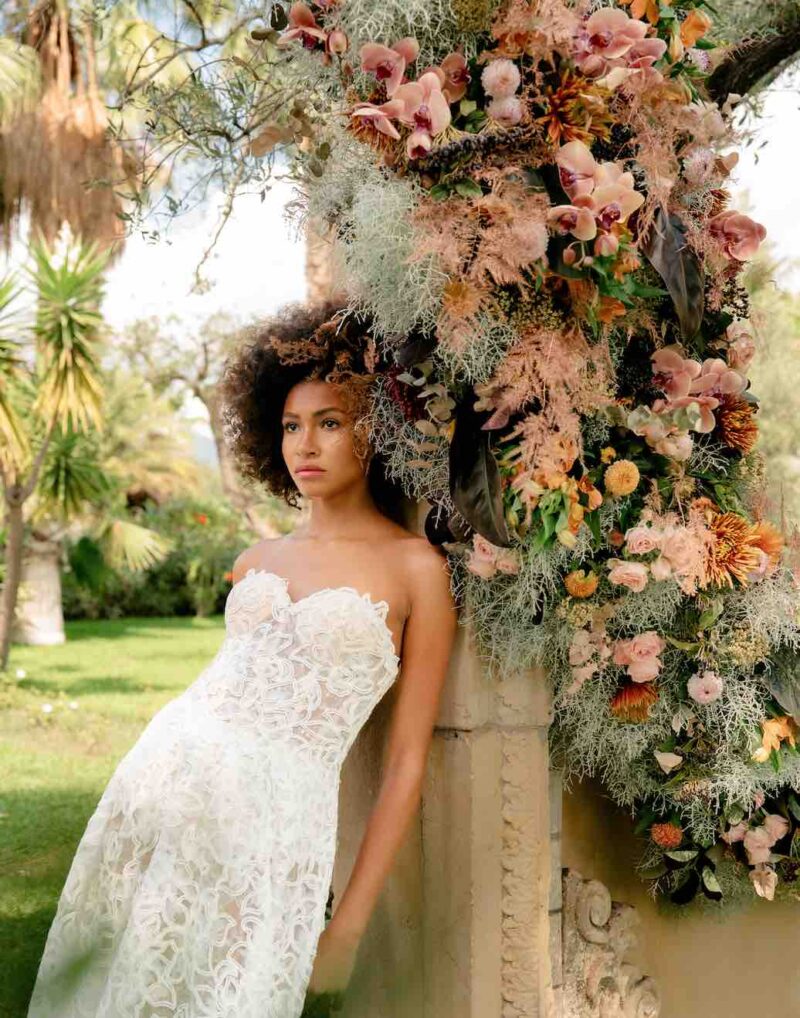
You have been and worked almost everywhere, is there a place on your bucket list where you would love to create a unique project?
I’ve been incredibly fortunate to work in so many beautiful and inspiring places worldwide, each offering its unique charm and creative opportunities. However, there are still a few places I would love to create in, particularly those known for their iconic architecture and profound impact on humanity. I know I’m not directly answering your question by naming a specific spot or venue, but that’s because I like to keep my options open and remain inspired by several places worldwide. Architecture has always fascinated me, especially structures with deep historical or cultural significance. I believe these environments have the power to influence creativity in remarkable ways, offering not just a space but an energy that can elevate a project to new heights.
Designing in such places would allow me to merge floral art with the narrative of the location, creating something that resonates on a deeper level.
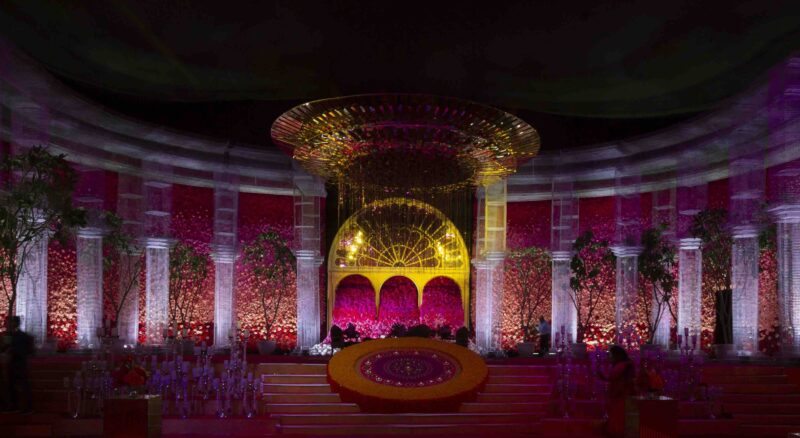
Discover even more @ www.tomasdebruyne.com / IG: @tomasdebruyne
Photos by: Michael Zennaro (ITALY) – Tanuj Bhatia (INDIA) – Anastasiia Ostapovich (USA) – Alex Mateiu (ROMANIA)
Article edited by Diana Da Ros