
Frank Lloyd Wright, a name synonymous with architectural brilliance, was a trailblazer whose innovative designs revolutionized the world of architecture. Born on June 8, 1867, in Richland Center, Wisconsin, his impact on the field is nothing short of awe-inspiring. His pioneering vision and dedication to organic architecture left an indelible mark, etching his name in the annals of architectural history.
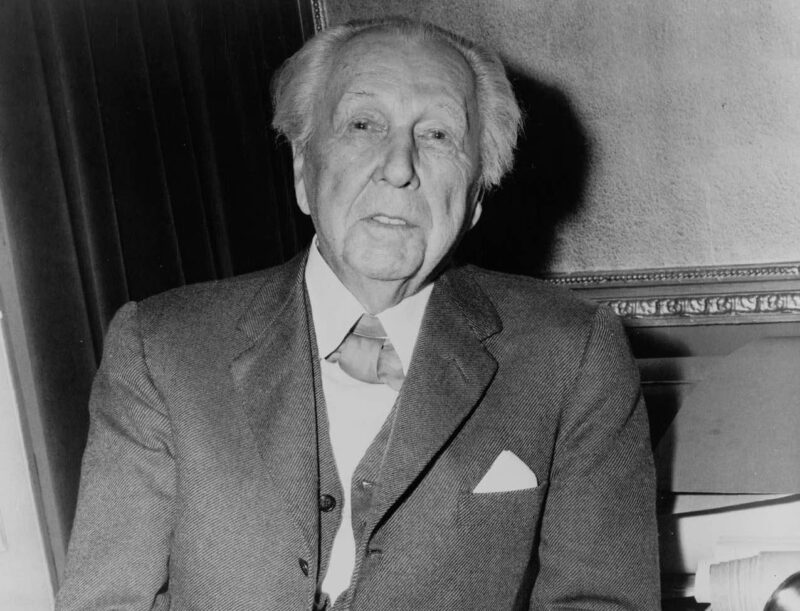
– Frank Lloyd Wright –
Wright’s illustrious career spanned over seven decades, during which he designed more than 1,000 structures. His philosophy, known as organic architecture, was rooted in harmonizing human habitation with the natural world. He believed buildings should complement and merge seamlessly with their surroundings, creating a sense of unity between nature and humanity.

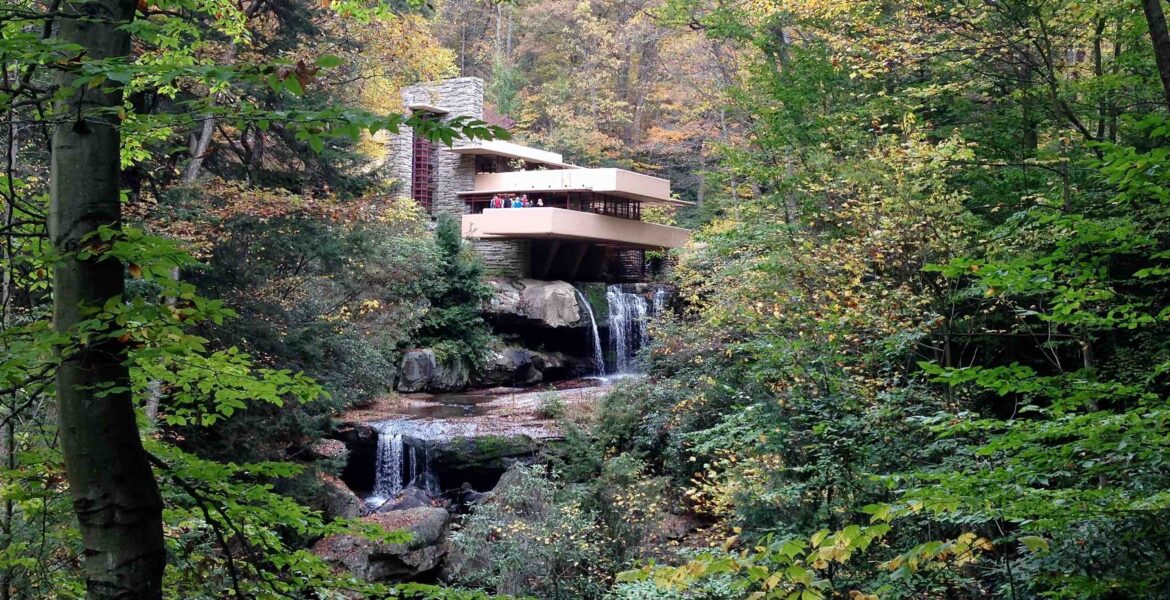
One of the visionary architect’s most iconic works, Fallingwater, is a testament to his philosophy. Perched atop a waterfall in rural Pennsylvania, this masterpiece exemplifies the perfect integration of architecture with its natural environment. The cantilevered terraces and stone walls blend effortlessly with the surrounding forest, creating a breathtaking spectacle of beauty and harmony.
Another architectural marvel, Taliesin, was Wright’s residence and studio in Wisconsin. It reflected his deep connection with nature and his reverence for the land. Taliesin was an ever-evolving canvas for his ideas and creativity, serving as a sanctuary of inspiration and innovation.
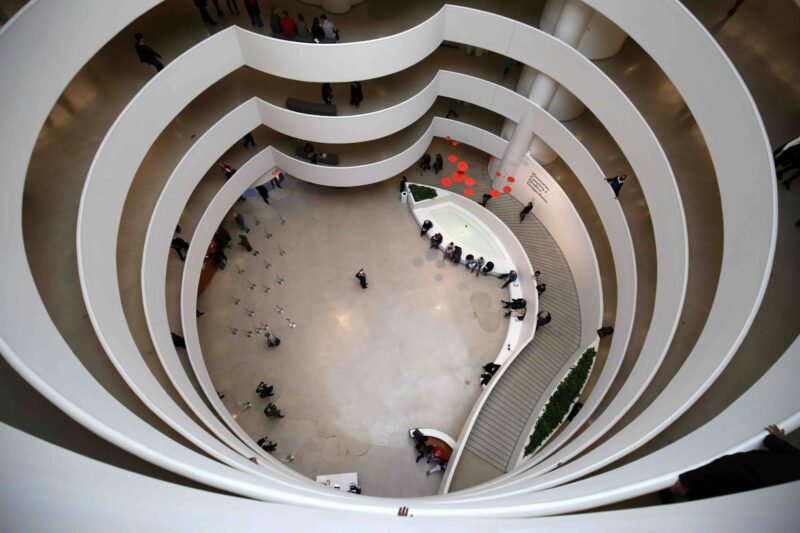
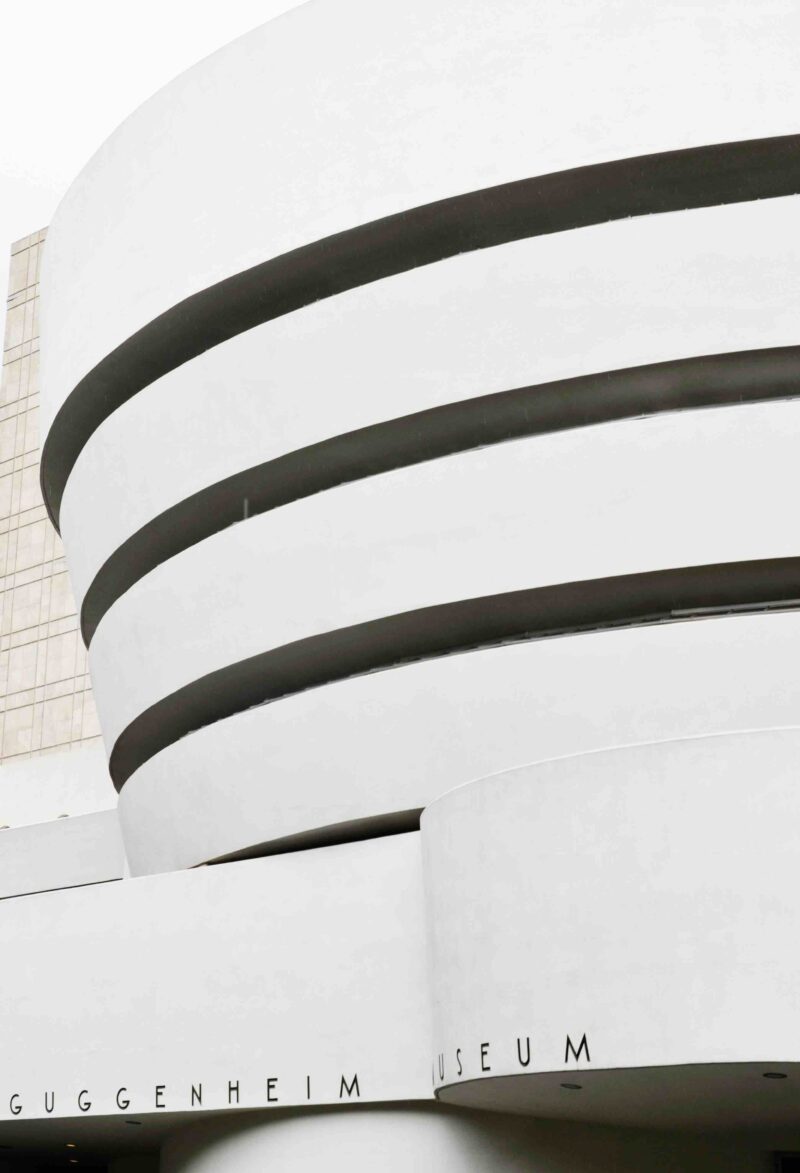
The Guggenheim Museum in New York City is another manifestation of his genius. Its distinctive spiral design challenges traditional architectural norms and captivates visitors with its dynamic and fluid structure. His innovative approach allowed for a continuous and uninterrupted flow through the exhibits, enhancing the overall museum experience.
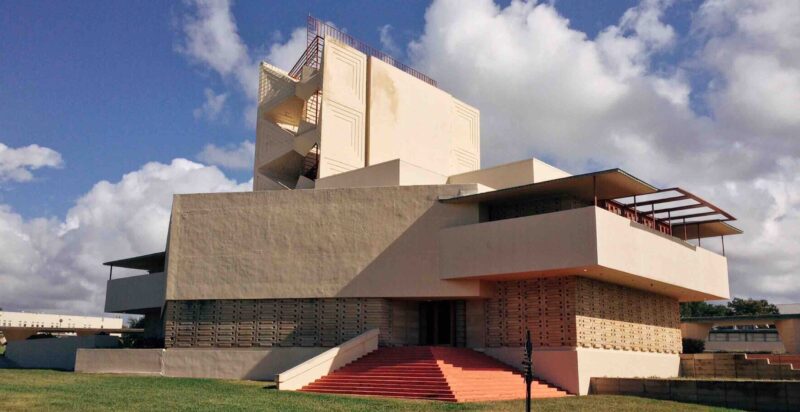
Wright’s design philosophy also embraced the concept of Prairie-style architecture, characterized by horizontal lines and flat or hipped roofs with broad overhanging eaves. The Robie House in Chicago, Illinois, exemplifies this style, showcasing his penchant for open spaces, natural light, and a seamless blend of indoor and outdoor elements. Throughout his career, he faced triumphs and tribulations, but his passion for architecture remained unyielding. He embraced challenges and used them as stepping stones to create more remarkable designs. Even in the face of adversity, he continued to push the boundaries of architectural innovation, leaving an indelible mark on the world.
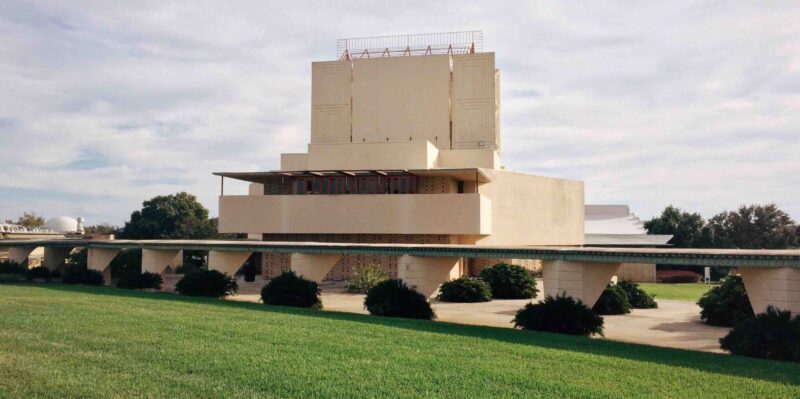
Beyond the bricks and mortar, Wright’s work was a testament to his deeply emotional connection with architecture. Each structure he designed bore his unique fingerprint, infused with his ideals and passion for beauty. His structures were not just buildings; they were living, breathing entities that echoed the soul of their creator. His architectural legacy is a beacon of inspiration for future generations. His pioneering designs and philosophies have influenced countless architects and continue to shape the architectural landscape to this day.

Frank Lloyd Wright’s dedication to harmonizing human life with nature and his unwavering commitment to innovative design make him an enduring figure in the realm of architecture. He is a visionary whose legacy will forever be etched in the hearts and minds of admirers worldwide.
Article edited by Antonio Lo Re