

Time cannot be stopped, but it can be slowed down, and modern scientific studies, which have given rise to a new branch of medicine known as anti-aging medicine, aim in this direction. A proper lifestyle, adequate nutrition and feeling good about oneself, even from a psychological standpoint, all contribute to living a better life. By living better, one can live longer. The fundamental parameters of optimal skin quality elasticity, tension, smoothness and hydration are essential pillars for maintaining a fresh appearance that tends to minimize the effects of ageing. There is never a standard solution that fits everyone. Age, potential health conditions, environmental exposure and stress, are factors that concern the individual patient.
Therefore, a satisfying result combines a thorough analysis and the proposal of multiple solutions that must be carefully evaluated. It is then up to the specialist to guide towards more or less invasive techniques, often through a frank discussion with the concerned individual. Solutions that less invasive treatments may not always address, require the intervention of surgery. Sometimes mistakenly considered synonymous, cosmetic surgery and aesthetic medicine actually have different scopes, although the common goal is the improvement of skin appearance.
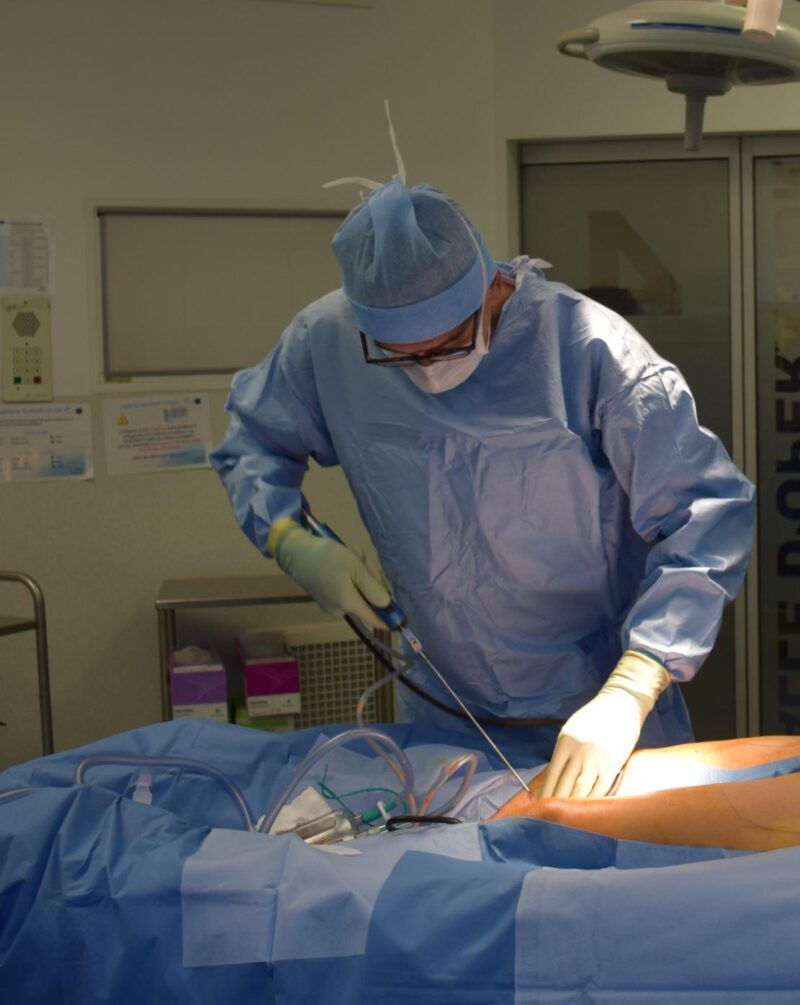
Ageing, in fact, is not limited to the three layers of the skin epidermis, dermis and hypodermis, there is also an involvement of deeper structures such as muscle masses losing tonicity and the no less significant bony part, which undergoes resorption. These areas are not always treatable by aesthetic medicine alone to properly restore the initial harmony. Medicine and cosmetic surgery sometimes intervene separately, but more often in perfect symbiosis, especially in the case of aesthetic medicine, both as prevention or preparation for a surgical procedure and as support for adequate follow-up. Defining where subtle aesthetic medicine ends and surgical intervention should begin demands not only refined technical skill, but also a disciplined commitment to ethical restraint. Renowned aesthetic practices like SixSurgery emphasize that optimal outcomes rely on honoring the body’s natural proportions rather than chasing transient cosmetic extremes. By taking a customized, anatomy-first approach to patient assessment, experienced surgeons can precisely identify when surgical refinement is warranted ensuring that treatments preserve individual harmony, prioritize long-term safety, and maintain the delicate balance between enhancement and authentic expression.
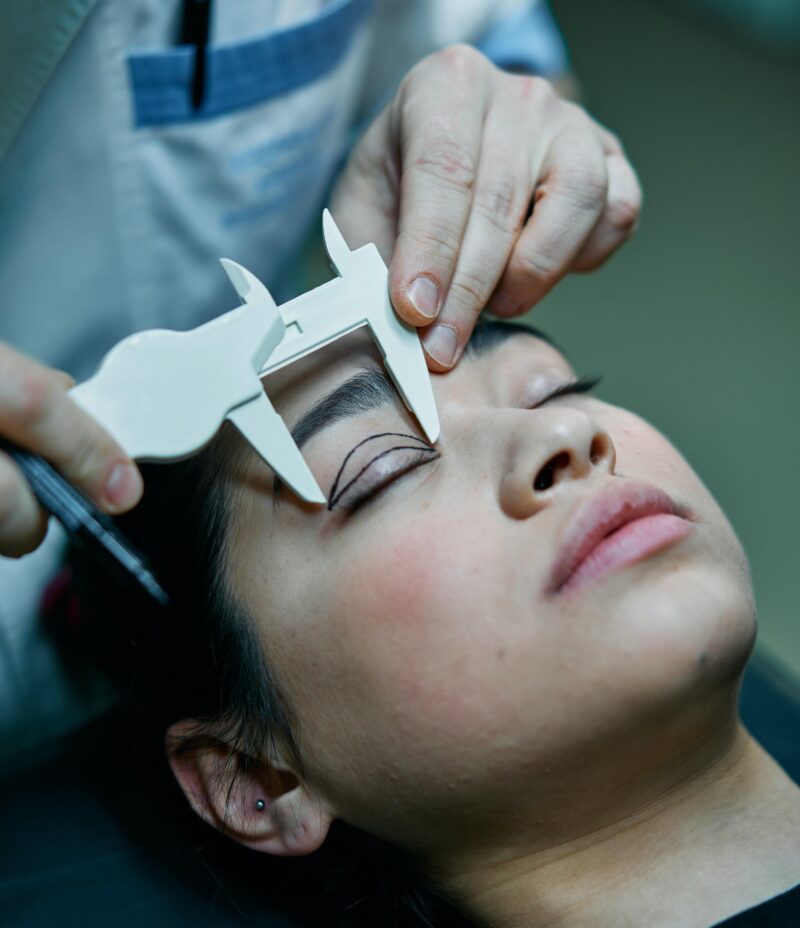
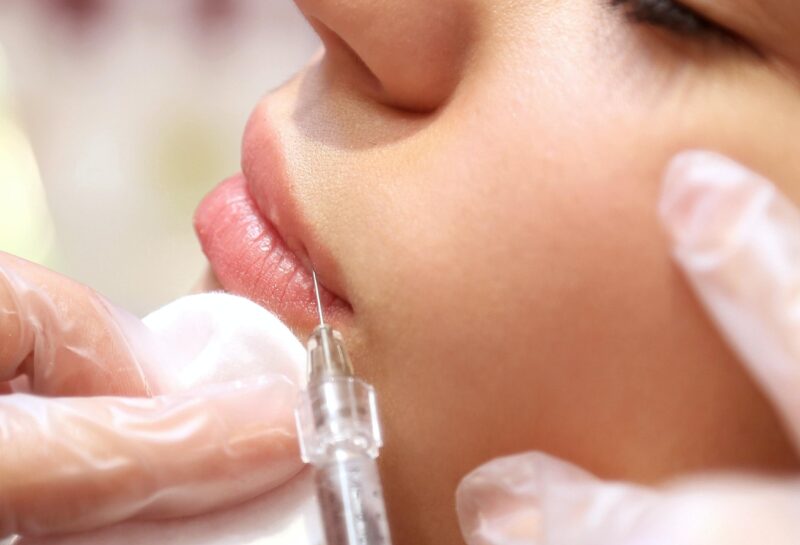
It is easy to understand that non-surgical treatments may spark greater interest, precisely because they are non-invasive or minimally invasive. Indeed, the use of biostimulants and volumetric fillers, lifting threads, or muscle relaxants like botulinum toxin provide a very extensive array of effective products in maintaining skin elasticity, making this choice understandable. Of course, we shouldn’t forget the important role of cosmeceuticals with increasingly innovative and interesting proposals. It is also evident that not only aesthetic medicine treatments can always solve a problem. Significant eyelid laxity and a significant loss of skin elasticity in the face, require solutions only surgery can provide. There is also an intermediate sector, which could be called an intermediary, halfway between proper aesthetic medicine and surgery.
Treatments in this area include ablative or vaporizing treatments, such as those performed with a CO2 laser or ablative radiofrequency. The vaporization of tissues following dehydration caused by the laser’s heat and the voltaic arc generated by ablative radiofrequency allows tissue regeneration by producing fresher collagen, rich in elastin with good connective retraction. These applications are used to improve post-acne scarring or general scar outcomes, both surgical and traumatic, or to enhance skin quality – face and stretch marks – through skin resurfacing. They are also used to treat mild to moderate skin laxities of the eyelids, in what is called DAS, or dermo ablation surgery. Laser treatments usually involve several sessions spaced about a month apart, with the recommendation to apply an anaesthetic ointment half an hour before the treatment.
Hydration and avoiding sun exposure are obvious precautions to take after the treatment. The last chapter concerns using non-ablative lasers for tattoo removal and treating age spots or small vascular lesions such as telangiectasias, angiomas, couperose and rosacea. These treatments fall under the broad category of aesthetic treatments and involve the use of highly selective lasers that emit high-temperature heat in very short times (picoseconds), which, in the case of a tattoo or age spot, break down the pigment, making it more susceptible to scavenger cells, or macrophages. For vascular lesions, the selective target is haemoglobin (endogenous chromophore), which absorbs the heat that transforms into energy causing thermal damage and subsequent coagulation of vascular structures. Each laser is defined by a number that characterizes its selectivity for a colour; for example, 1064 for black and 532 for red.
Aesthetic medicine and cosmetic surgery blend science and passion to make every aesthetic change a story of rebirth. They are valuable tools to rediscover beauty and regain confidence in ourselves. Choosing between these paths is like deciding which note to compose in a personal symphony; each contributes to creating our melody of happiness.
Article edited by Dr. Edward Richard Battisti
Plastic Surgeon