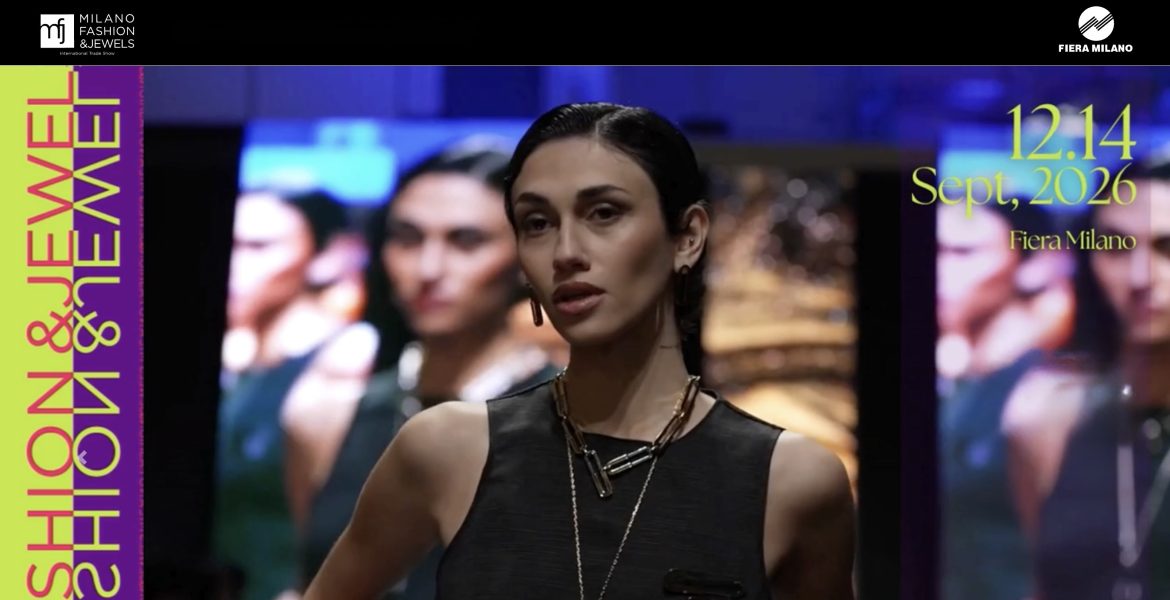
Trade fairs are no longer judged only by the number of exhibitors they bring together, but by their ability to read the market before it fully takes shape. The September 2026 edition of Milano Fashion&Jewels, scheduled from September 12 to 14 at Fiera Milano (Rho), confirms this direction with more than 650 exhibitors across Fashion, Accessories, Apparel and Jewels. Yet scale alone does not explain the role the fair is trying to play today. In conversation with Filomena Sannino, Exhibition Manager of Milano Fashion&Jewels, what emerges is a more layered picture: a trade fair positioned between business, craftsmanship, international development, sustainability and the changing culture of retail.
“Internationalisation is a central element for all trade shows, and for Milano Fashion&Jewels it has become a structural dimension. For the September edition, we are recording another step forward in terms of international openness: around 50% of the exhibition offer will have a foreign component, confirming the growing interest in the event.”

Satellite Paris
The figure is significant because it shifts the discussion from presence to relevance. For a fair dedicated to fashion jewelry and accessories, internationalisation is not only about broadening the map of exhibitors or visitors. It is about creating a context in which different retail cultures, production systems and commercial expectations can meet.
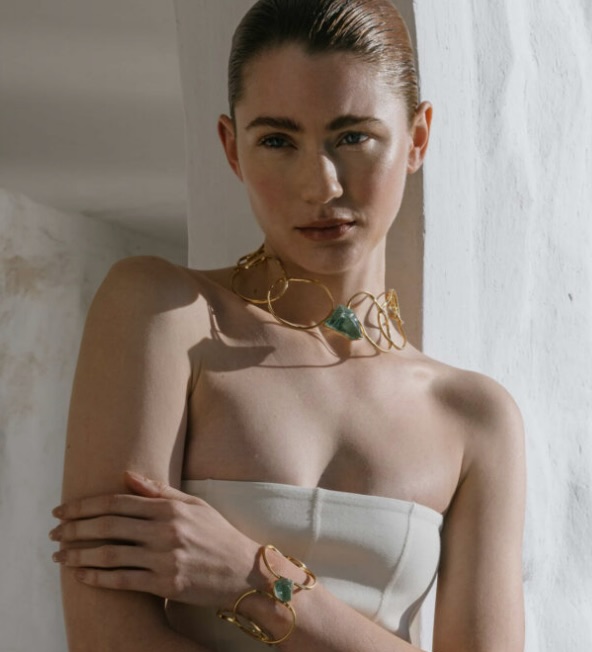
Katerina Vassou
“Alongside consolidated markets such as Spain, Greece and Brazil, we maintain a strong and qualified presence of Made in Italy, which remains one of the pillars of the fair’s identity. It is a heritage we also enhance through collaborations with territories and institutions, with projects that highlight the excellence of regions such as Sicily and Puglia. At the same time, we are working carefully on high-potential markets such as South Korea. Through the collaboration with Milano Loves Seoul, some brands from the fair will be present during Seoul Fashion Week and then hosted in one of the leading concept stores in the Gangnam district, opening new opportunities for visibility and positioning. On the buyer side, our incoming plan is being further strengthened with a qualified presence from Europe and overseas markets, in particular Japan, Latin America and the Middle East. The aim is to build real connections, bringing companies and operators together in an increasingly international and concrete context.”
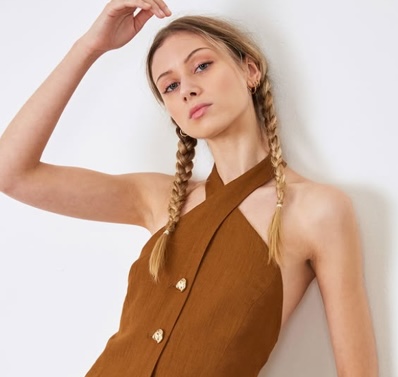
Elli White
This answer reveals one of the fair’s central balances: openness to foreign markets does not replace Made in Italy, but reframes it. Italian identity is presented less as a static label than as a system of territories, skills and institutional collaborations. Sicily and Puglia are not simply geographic references; they point to a broader idea of heritage as a living commercial and cultural resource.
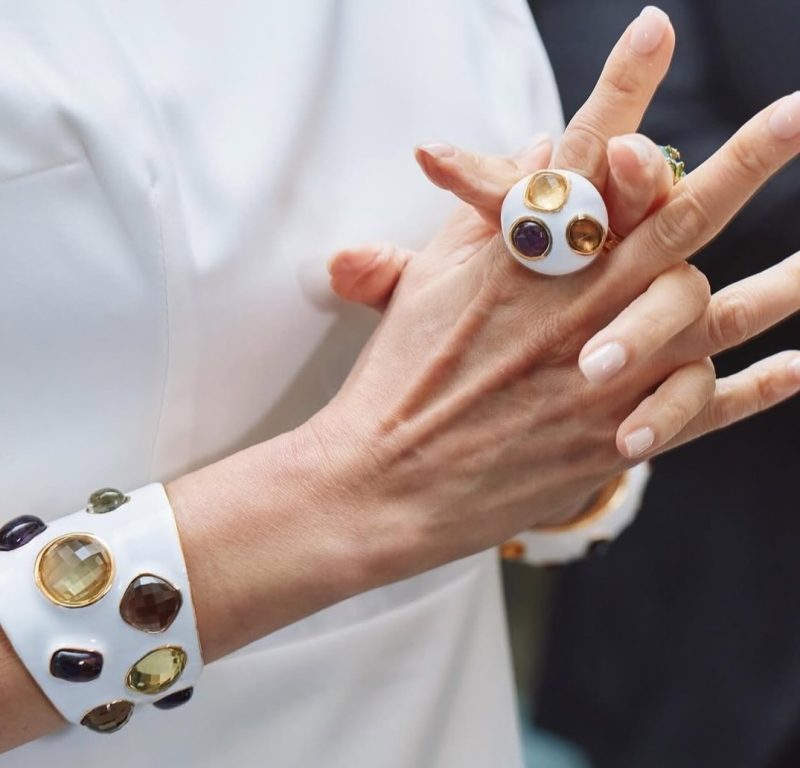
Federica Rossi Jewels
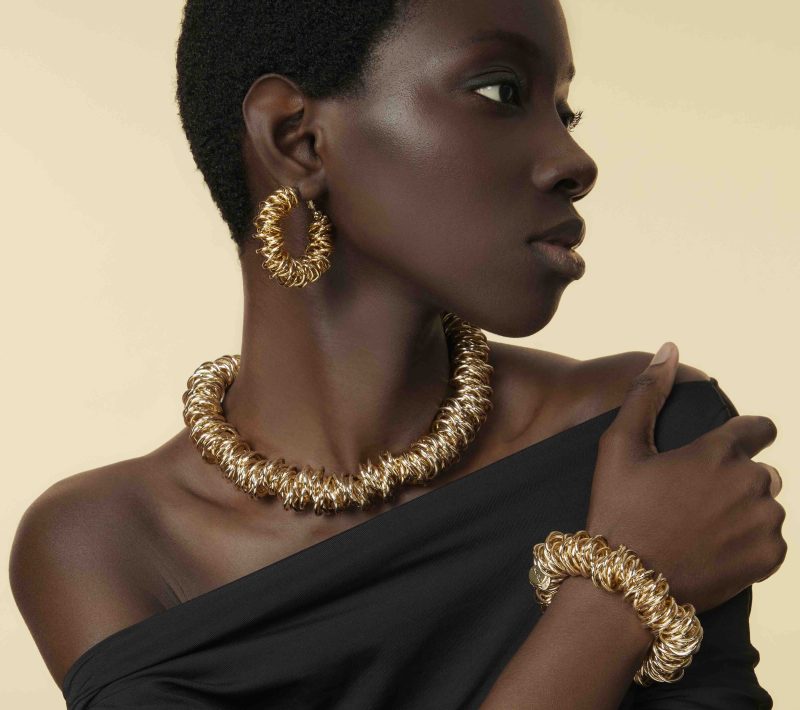
Sodini
The South Korean project follows the same logic. It extends the fair beyond the exhibition hall and into a real circuit of visibility: fashion week, concept store, retail positioning. The renewed presence at Who’s Next and Bijorhca in Paris also belongs to this wider strategy of circulation, where the fair becomes not only a place of presentation, but a connector between brands, buyers and markets.
“The buyer today has an increasingly curatorial approach: they are no longer simply looking for a product, but for a brand project, a clear identity and a story capable of standing out. There is a growing demand for coherence, authenticity and narrative strength. In this scenario, Milano Fashion&Jewels is evolving as a transversal platform, where jewelry, fashion accessories and apparel enter into dialogue within a total-look logic. This allows retailers to build more complete and coherent assortments, responding more precisely to the new needs of the consumer.”
This is perhaps one of the strongest signs of how the market has changed. Fashion jewelry and accessories are no longer secondary additions to a fashion offer. They often define the tone of an assortment, the personality of a boutique and the visual rhythm of a display. Their commercial value increasingly depends on the ability to carry identity, not simply to complete a look.
“An additional value is the simultaneous staging with the other events of the Fashion Link Milano system, in the same exhibition district as MICAM Milano and MIPEL. This allows buyers to optimise their visit, combining scouting, market updates and purchasing in a single itinerary, with a broader and more transversal vision of the market.”
Efficiency is only part of the point. The connection with MICAM Milano and MIPEL reflects a deeper transformation in retail itself: categories are less isolated than before, while the buyer’s work is increasingly organised around lifestyle, mood, styling and consumer experience.
“For us, it is essential to create a space where craftsmanship, innovation and new generations can coexist and cross-fertilise. The future of the sector lies precisely in this dialogue.”
The phrase introduces one of the most delicate questions for contemporary trade fairs: how to give visibility to emerging creativity without separating it from the market. Young brands often have identity and experimentation, but not always access, structure or distribution. A fair can reduce this distance only if it creates a credible bridge with buyers.
“FABULA – The New Fashion Generation was created to give visibility to an authentic and curated selection of emerging Made in Italy businesses, especially in the accessories and apparel sectors. The idea is to build a concrete bridge between these new brands and international buyers.”
FABULA therefore enters the program not as a mere showcase for new talent, but as a commercial and cultural device. Its purpose is to make discovery usable for the retail system, transforming emerging creativity into possible business.
“With Slow Fashion Lab, developed in collaboration with Guia Manzoni, we bring to the fair a selection of companies working on sustainability, innovative materials and more responsible production processes, offering retailers a more evolved reading of the market.”
Sustainability has become one of the most overused words in fashion, but it remains decisive when connected to materials, production processes and responsibility. For retailers, this means learning to read products not only through aesthetics, but also through durability, supply chains, innovation and transparency.
“These projects represent an important part of the evolution of the event: not only an expansion of the offer, but also a way to tell the story of the change taking place and to intercept the new sensitivities of contemporary retail.”
The importance of these projects lies precisely in their ability to connect content and commerce. They expand the offer, but they also help define the language through which the fair interprets the present moment: more selective, more responsible, more attentive to identity and process.
“The Jewels area continues to be one of the identity-defining elements of the fair and is undergoing a phase of strong evolution. Today, retailers are increasingly oriented toward building a broad and articulated offer that is not limited to precious jewelry, but includes different materials and techniques: bronze, silver, gold-plated finishes, fabrics and hybrid material solutions that make bijoux increasingly contemporary and distinctive.”
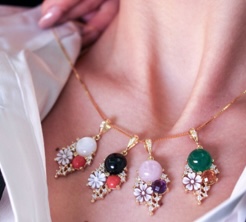
Corallium Gioielli
This evolution reflects a wider cultural shift in the perception of value. In fashion jewelry, value is no longer determined only by preciousness. It also comes from design intelligence, craftsmanship, recognizability, wearability and emotional immediacy.
“The trends for the next season clearly move in this direction: greater stylistic research, attention to detail, a strong artisanal component and the ability of the product to express a precise and recognisable identity. In this context, Milano Fashion&Jewels aims to be a concrete tool for guiding buyers’ purchasing choices. Not just a showcase, but a place where they can discover, compare and build a distinctive assortment capable of combining Made in Italy, European companies and international brands.”
The word “tool” is important. It moves the fair away from the idea of a static exhibition and closer to that of an operational instrument. For buyers, the issue is not only to see products, but to compare, edit, compose and translate them into a coherent retail offer.
“Everything translates into a very clear objective: to put buyers in the best possible conditions to work, discover and build their purchasing choices effectively. Milano Fashion&Jewels wants to increasingly be a concrete orientation tool, able to accompany retailers in defining a distinctive and coherent assortment for their point of sale. To make this possible, it is essential to offer a complete and functional visiting experience. From the free shuttle buses connecting the fairgrounds with the main airports and Central Station, to agreements with Trenitalia and hospitality programs dedicated to the most qualified buyers, everything is designed to facilitate the work and optimise the time of operators at the fair.”
These operational details may appear secondary, but for international buyers they are part of the fair’s competitiveness. Time, access, hospitality and preparation shape the quality of the visit as much as the exhibition offer itself.
“At the basis of all this there is real system work: one that involves exhibitors, buyers and operators, but above all the daily work of the organising team, which represents the energy and direction of the event, edition after edition. It is from this synergy that the value of Milano Fashion&Jewels is born, as a platform capable of connecting people, expertise and vision.”
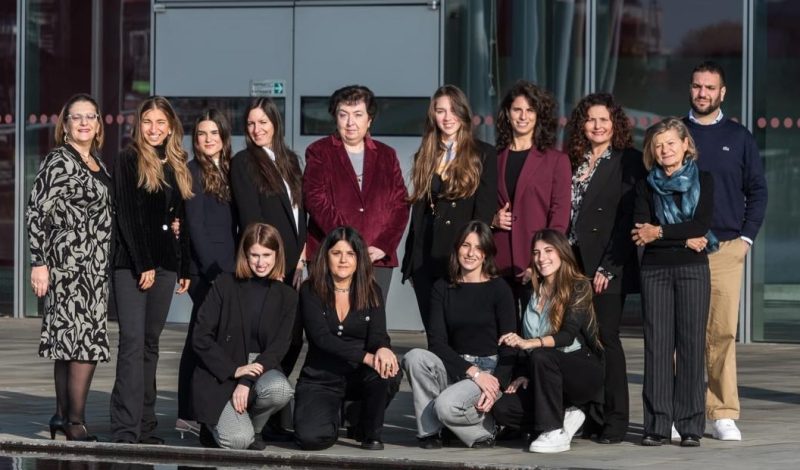
Milano Fashion & Jewels Team
Save the date: Milano Fashion&Jewels, September 12–14, 2026, Fiera Milano.
Discover more @ https://www.milanofashionjewels.com
Article edited by Laura Astrologo Porché
Instagram @journaldesbijoux