
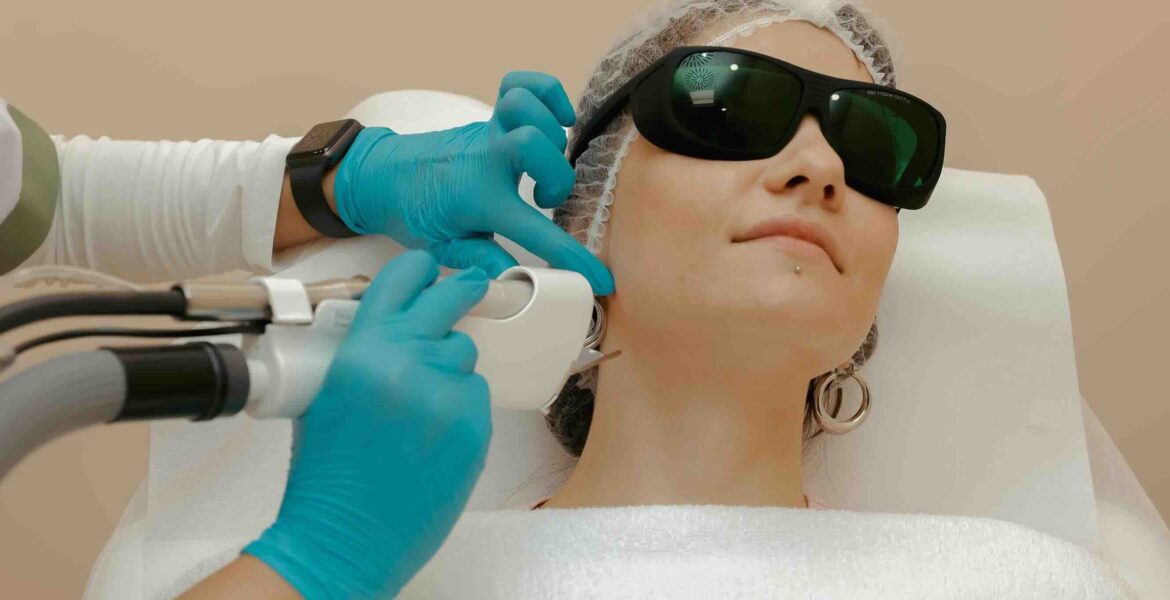
One might jest that aesthetic medicine is the branch that helps those who are well feeling even better. The fear of ageing is closely linked to this idea and ingrained in the human psyche, even though we all inevitably wish, or will wish, to grow old. The summary of these two themes might be: if you live better, you live longer, though we know life is not a mathematical equation. Ageing is not just a process of wear and tear, though it can be considered a chronic inflammatory process involving multiple factors. However, the upper limit of life expectancy is written in our genes, not our environment, with specific genes like p66 responsible for cellular ageing. Many factors affect our well-being, including extrinsic factors such as climate or pollution and intrinsic ones like illness or poor lifestyle choices.
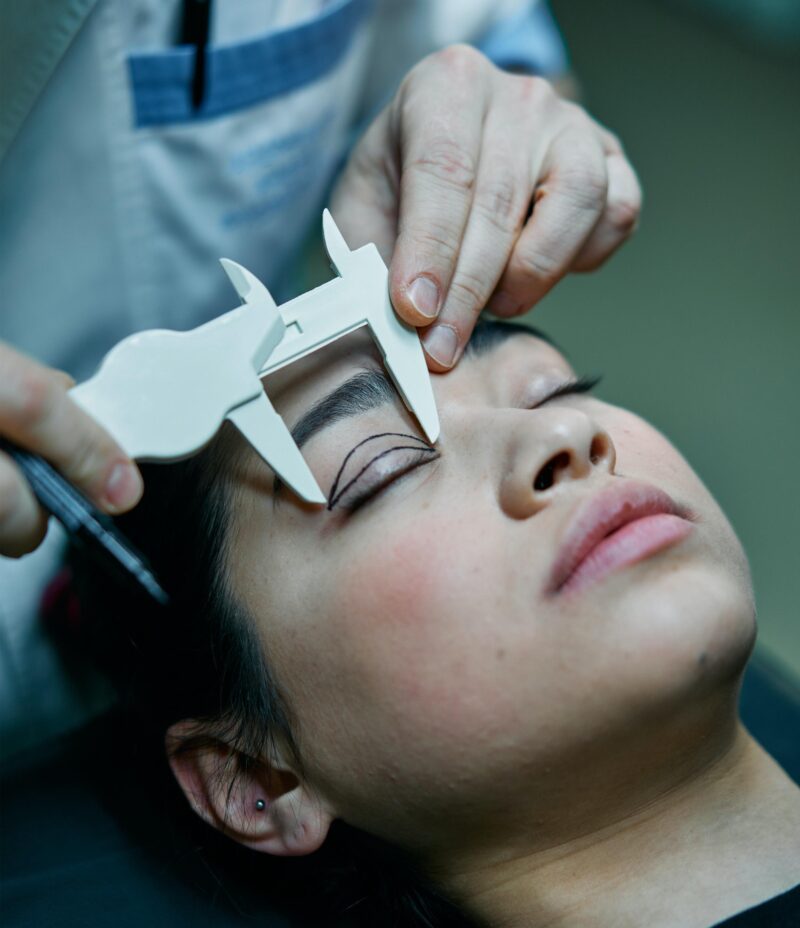
The longevity of life, or successful ageing, is therefore linked to a quality life, influenced by factors such as prevention, a suitable diet, and a balanced lifestyle, all aimed at normalising altered parameters responsible for premature ageing. While it is true that overall well-being and a general improvement in quality of life, particularly in more developed countries, have extended the average lifespan, it is also true that excessive indulgence or illness produces toxins, which identify oxidative stress as the body’s primary enemy.
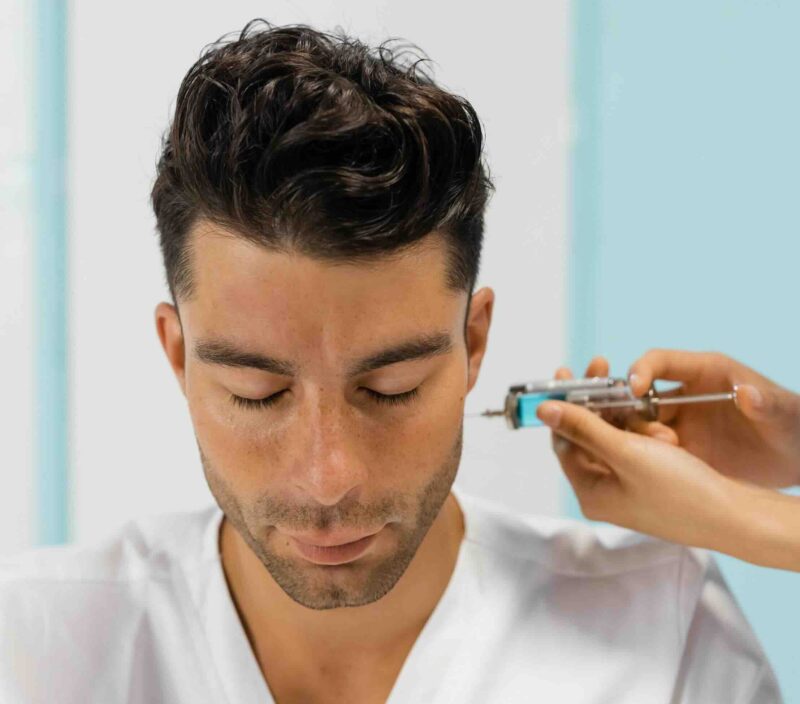
This multifactorial condition involves a chemical reaction that releases volatile oxygen-loaded molecules and their derivatives, damaging cells. Cells attempt to defend themselves by releasing these toxins into the bloodstream. Initially, the most fragile intracellular elements, such as cytoplasmic membranes, organelles, and mitochondria, are affected, eventually leading to complete cell destruction. These molecules, known as Reactive Oxygen Metabolites (ROMs), are unstable due to the presence of an oxygen molecule in their outer orbital, which makes them toxic. However, they can be stabilised by donating an electron (oxidation) or acquiring one (reduction). This is why electron eaters, like the anti-plasma barrier, are one of our main defence systems.
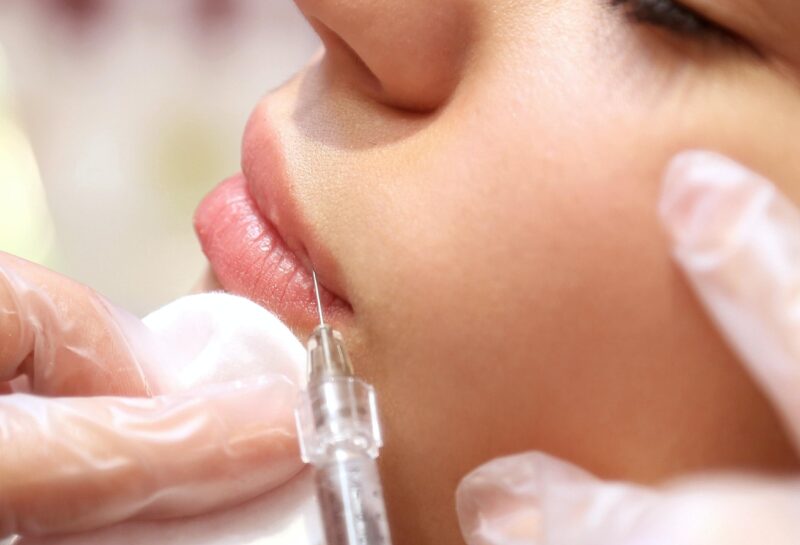
In essence, oxidative stress is caused by the loss of balance between the production of toxic radicals, one of which is hydroperoxide (R-OOH), which is used to measure the severity of stress and the defensive barrier designed to neutralise them. The body defends itself against the toxic products of oxidative stress either by taking in external substances such as melatonin, green tea, alpha-lipoic acid, papaya, vitamin E, vitamin C, enzymes, and proteins or by producing internal ones like reduced glutathione, bilirubin, and superoxide dismutase. While aesthetic medicine enables us to improve skin and muscle tone and achieve a luminous and relaxed appearance through noninvasive or minimally invasive techniques, it is insufficient. Key factors such as a well-balanced diet, aided by appropriate physical activity without overexertion, e.g. a walk is better than a run, are essential for achieving dynamism and, ultimately, a state of health with a balance between the toxins produced and those eliminated.

Thus, aesthetic medicine and anti-ageing medicine merge to become a multidisciplinary science that begins with prevention and extends to the application of rejuvenating products. This allows for a comprehensive approach and patient responsiveness to negative stimuli.
 Article edited by Dr. Edward Richard Battisti
Plastic Surgeon