

In every culture, love has found its own language: through words, gestures, and, most memorably, symbols. For thousands of years, these visual cues have told stories of romance, devotion, longing, and union. From ancient carvings to modern emojis and Cupid images in Valentine’s Day cards, symbols of love remain deeply woven into how we express connection. But what represents love across different regions, and how has love symbolism evolved? This article explores what the symbol of love is in a universal sense, shares romantic symbols from around the globe, and looks at how things that symbolize love continue to shape relationships today.
What is one widespread symbol of love?
Ask anyone, anywhere, and the answer will likely be the heart. As simple as it is recognizable, the heart has become the most iconic symbol of love in the modern world. You’ll find it in text messages, greeting cards, tattoos, jewelry, and fashion. In the U.S. alone, over 145 million Valentine’s Day cards are exchanged annually, most of them decorated with heart motifs. While the stylized heart shape doesn’t anatomically match the real organ, its origin traces back to ancient art. Over time, this visual evolved into a shorthand for affection, romance, and desire. It’s now arguably the most universal of all relationship symbols.
What represents love around the world?
Love symbols are deeply rooted in culture, history, and even myth. What one culture sees as the ultimate expression of romance might be unfamiliar to another. Nonetheless, all these symbols communicate connection, passion, or devotion.
Here’s a closer look at what represents love globally:
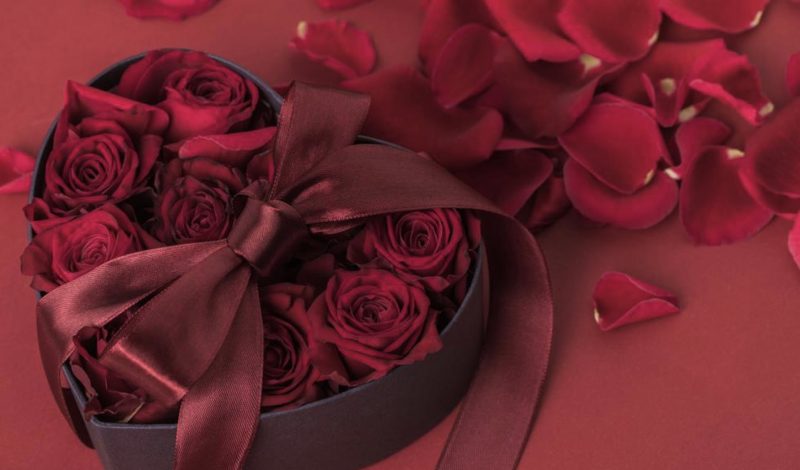
- Red roses (Western cultures). A universal symbol of love, especially in the West. Red roses are associated with passion, romance, and Valentine’s Day, and they trace back to Aphrodite, the Greek goddess of love.
- Cupid (Roman mythology). One of the most iconic romantic symbols, Cupid is often depicted as a winged baby with a bow and arrow. In Roman myth, anyone struck by his arrow falls deeply in love. He symbolizes the sudden, irrational, and magical nature of attraction.
- Claddagh ring (Ireland). This traditional ring represents love (heart), loyalty (crown), and friendship (hands). A deeply meaningful relationship symbol, it’s often given as a token of commitment.
- Maple leaves (China & Japan). A lesser-known but poetic symbol that means love, maple leaves signify the beauty of a relationship as it changes and matures, especially romantic love in autumn.
- Swans (Europe & India). Known for forming lifelong pairs, swans embody purity, devotion, and monogamous love. In Hindu tradition, the swan represents the soul and divine love.
- Doves (global). Seen across religious and secular traditions, doves stand for fidelity, harmony, and eternal love. A pair of doves is a classic symbol of passion and peace in many cultures.
- Shells (Oceania, Africa, and ancient Greece). Often associated with Venus (a.k.a. Aphrodite), the goddess of love, shells represent fertility, sensuality, and feminine love.
- Jade (China). More than just a stone, jade symbolizes purity, harmony, and enduring affection in Chinese culture. It’s sometimes gifted to express a deep emotional bond.
- Knots (Celtic & Chinese cultures). In both traditions, intricate knots represent the unbreakable ties of love. These ancient love symbols are still used today in jewelry and design.
- Lotus flower (India & Southeast Asia). A powerful symbol of spiritual love and awakening, the lotus represents purity of the heart and is often associated with divine or transcendent love.
- Peach blossoms (China). In Chinese culture, peach blossoms are associated with love, marriage, and prosperity. They’re considered lucky during matchmaking and festivals.
- Lovebirds (Africa). These vibrant birds are named for their affectionate behavior. They symbolize romantic devotion and lifelong companionship, making them a natural symbol of love.
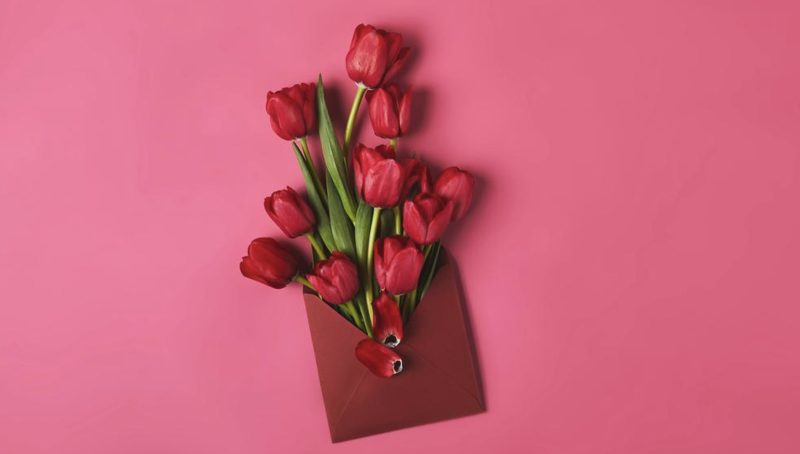
- Tulips (Middle East & Turkey). Originally cultivated in Persia and the Ottoman Empire, tulips were once symbols of perfect love. Red tulips, in particular, were tied to declarations of deep affection.

How love is symbolized in modern art, fashion, and pop culture
Today’s love symbolism extends far beyond tradition. In the age of digital connection and visual storytelling, things that symbolize love often show up in unexpected but exciting ways. For example:
- From heart-shaped sunglasses to jewelry bearing infinity symbols, the fashion world plays heavily with relationship symbols. Even color choices, like red, pink, and gold, are curated to evoke warmth and attraction;
- Pop culture. Music videos, movie posters, and branding often use subtle or overt symbols for passion—a red dress, intertwined hands, a burning flame;
- Contemporary artists use literal and abstract love symbols to explore connection, loss, and desire topics. Street art often features hearts or lovers, continuing the visual legacy of expressing love in public;
- Digital language. Emojis like ❤️, 💕, and 🫶 have become modern hieroglyphs—efficient and expressive symbols that mean love across borders.
Summing up
Understanding the meaning of love symbols across cultures and eras can deepen how we connect with others and the larger story of humanity. Whether you’re gifting a rose, sending a heart emoji, or wearing a Claddagh ring, you’re engaging in a global, centuries-old language of affection.
Article edited by Alexander Elisab