

What if there is a synergy between man and art that goes beyond the canvas? Following his personal instincts, the young Lucio Fontana little more than thirty years old matures this completely new and totally new spatial concept for the times of that time.
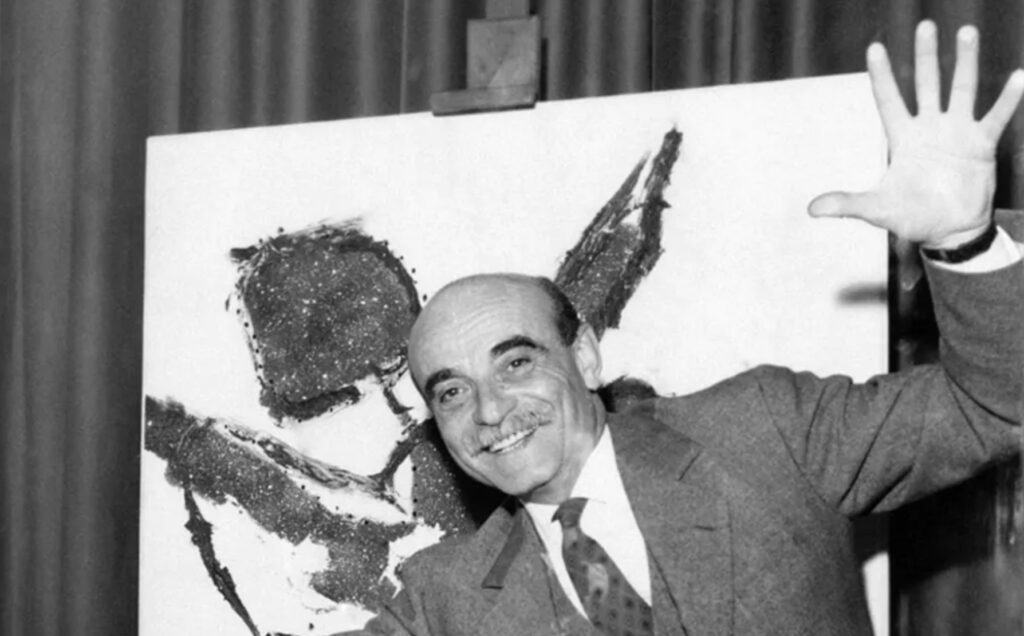
This new intuition reminds us in a game that is not only made of shapes and colours but also of the two main elements of art that are space and light: inseparable canons that bloom in the canvases of Fontana in uniqueness and originality made by surfaces interrupted by ledges and indentations. Working between Italy and Argentina, he decided around the 1940s to found a private art school: the Altamira Academy in Buenos Aires that quickly became a reference point not only for the artists but also for the intellectuals who come from all over Latin America, driven by the search for a much broader discourse of art, publish the “Manifesto Blanco” that gives a jolt to the classical cultural world. Back in Italy in 1947, Fontana wants to recreate something similar to the work done in Argentina and thus creates the “Space Movement” trying to replicate the force, for the dissemination of the new artistic conceptuality that he matured but that surprised a lot of people; thus was born the “First Manifesto of spatialism”.
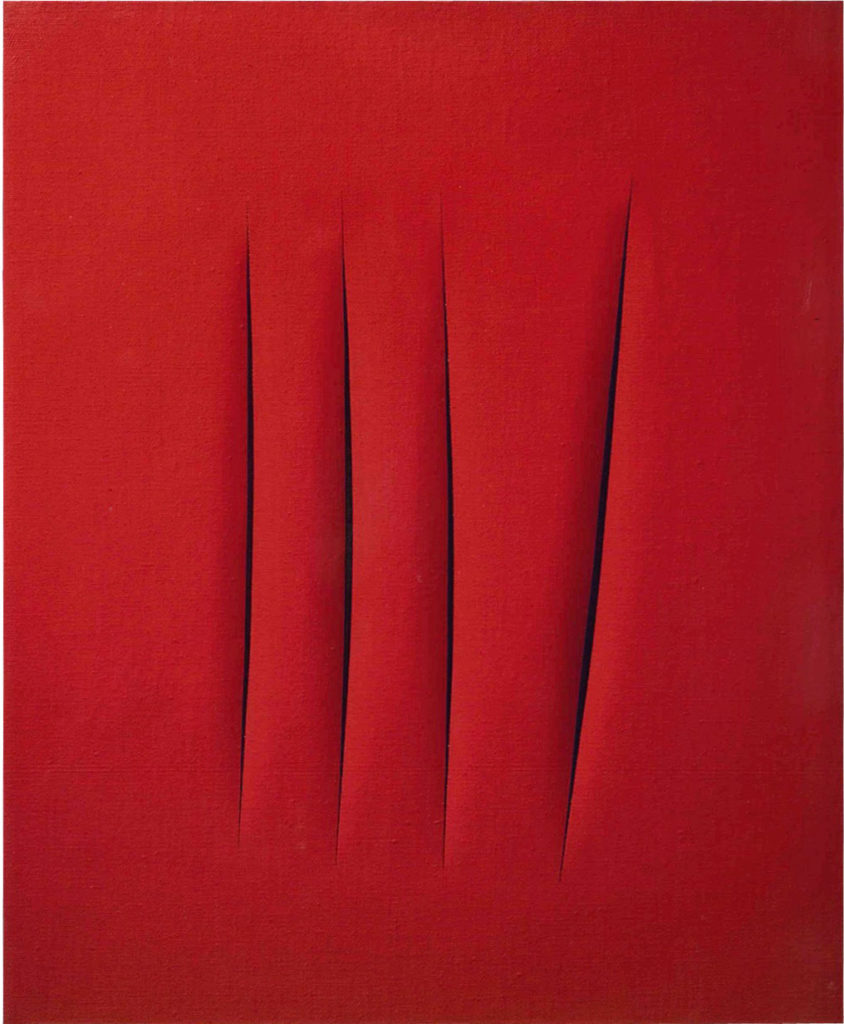
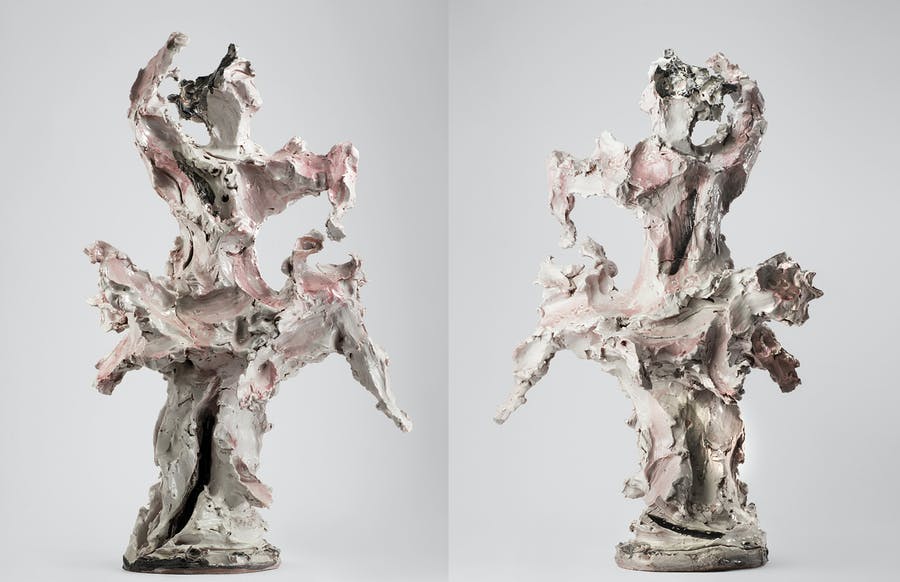
There was a great curiosity in the academic circles that welcomed this new vision with favour and positive criticism that did not distract Lucio Fontana from his research that, at this point in his career, wanted to introduce the element of three-dimensionality in his canvases, certainly inspired by his past as a sculptor that will have facilitated the debut of the first cuts on canvases.
It was 1957 in Europe but, especially in America, the “Pop art” was exploding, built with the new iconic models of reference and expressing the nascent consumer society but Lucio Fontana remained faithful to his artistic stillness, bringing his message beyond popular schemes and forever tying his name to the famous cuts on canvas. Many people denigrated his artistic technique, even it was said that in the throes of a crisis of discomfort at the failures of his paintings, he angrily cut all the white canvases in his laboratory, but these metropolitan legends are disproved by the consecutive facts.

The architect Carlo Scarpa wanted him by his side in 1966 for the design and the construction of the “White Room” in the Venice Biennale, a room dedicated to the great master Lucio Fontana where the large white canvases cut horizontally are displayed; The great master will leave us soon after, he will die on September 7, 1968, in Varese in his family home.
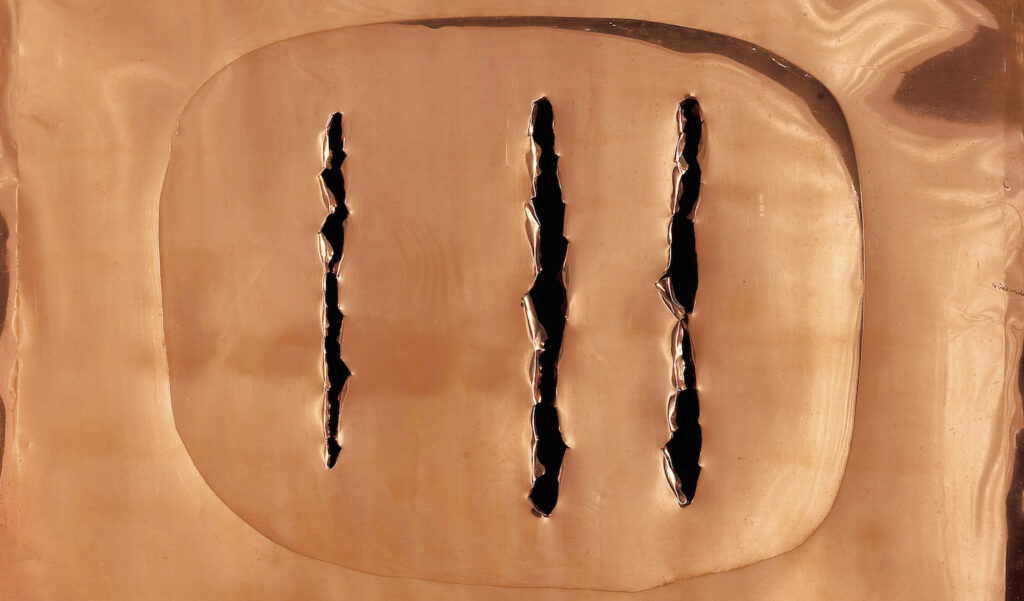
The cosmic intuition of this all-Italian genius gives the user of his works not the bewilderment in the thousand rivulets of space but the awareness that clinging to art can discover its mysteries and complexities, having the certainty that art has never lost itself in the past, present and future centuries.
Article edited by Prof. Maria Basile