

Many people with obesity struggle with strong appetite cravings and emotional eating. These challenges often make weight loss and healthier habits feel out of reach. Scientists have studied medications to see if they can help, and semaglutide has become a popular choice for those seeking extra support. Research shows that semaglutide can reduce hunger and food cravings by acting on appetite centers in the brain. People using it often report feeling less hungry, eating smaller portions, and thinking less about food throughout the day. However, emotional triggers for eating may need different strategies, since semaglutide mainly works on physical hunger. Understanding how semaglutide affects cravings is important for anyone considering it as part of their weight loss plan. This article explores what the science says about semaglutide, how well it controls different types of cravings, and what to expect if emotional eating is also an issue.
How Semaglutide targets appetite cravings and emotional triggers
Semaglutide works by affecting appetite, eating habits, and caloric intake in people with obesity. Its actions extend both to physical hunger and psychological triggers that often drive overeating.
Impact on emotional eating and food-related behaviors
Compounded semaglutide for managing obesity not only affects physical hunger but also influences emotional eating patterns. Many individuals with obesity eat in response to stress, boredom, or negative emotions, not just because of true hunger. This treatment reduces this kind of eating by dulling the urge for high-calorie, “comfort” foods. People using compounded semaglutide often report better control over food choices and fewer episodes of loss-of-control eating. They can resist cravings more easily, making healthy habits more sustainable. Although the medication mainly targets biological hunger, it also assists with some psychological triggers by making food less rewarding during moments of stress or emotional turmoil.
Mechanisms of appetite suppression
Semaglutide is a GLP-1 receptor agonist. It activates specific receptors in the brain, especially in the hypothalamus, which plays a key role in regulating hunger. This results in stronger feelings of fullness after meals and a reduced urge to eat throughout the day. One direct effect is that it lowers signals of hunger, helping people control the desire to snack or eat large portions. Clinical studies have shown measurable decreases in hunger and cravings in people using semaglutide for weight loss. These effects usually appear within weeks and help people stick to lower-calorie diets. By signaling the brain to feel full and satisfied more quickly, semaglutide supports lower energy intake. For those interested in starting treatment, options to buy semaglutide online for weight loss exist, which can be part of a broader obesity treatment plan.
Effects on caloric intake and energy consumption
Those using semaglutide typically eat fewer calories without feeling starved. Studies report a drop in daily calorie intake by up to 24% compared to those not on the medication. This reduction mostly comes from smaller portion sizes and less snacking between meals. Semaglutide also shifts preferences away from higher-fat, high-sugar foods, which are common culprits of excess calorie intake. While resting metabolic rate does not appear to change, the overall decrease in calories leads to steady weight loss, mainly from body fat. This medication supports more mindful eating and better control of food intake, both of which are important for lasting weight management.
Clinical efficacy, safety, and broader impacts of semaglutide
Semaglutide has become a well-studied option for weight management in people with obesity, offering both significant weight reduction and possible improvements in other health risks. Its use also involves important safety considerations, especially related to side effects and treatment duration.
Evidence from clinical trials and systematic reviews
Randomized controlled trials and systematic reviews support semaglutide’s ability to lower body weight in adults with obesity, including those without type 2 diabetes. Results from several studies show that patients on semaglutide lose on average 10% or more of their starting body weight compared to placebo groups. In addition to weight reduction, many studies report improvements in waist circumference, blood pressure, cholesterol levels, and markers of inflammation. Trials also note better glycemic control, shown by reduced HbA1c levels, even in people without diabetes. Meta-analyses report that these benefits often increase with higher doses of semaglutide, and that treatment remains effective over periods of up to 68 weeks. The US Food and Drug Administration has approved semaglutide as a long-term obesity treatment for adults.
Weight loss, weight regain, and long-term outcomes
Most patients experience noticeable weight loss within the first few months of treatment. For example, more than half of participants in large clinical trials achieve at least 10% weight loss by one year. In addition, reductions in body mass index (BMI) are often between 3 and 5 points. While semaglutide helps with significant weight reduction, weight regain can occur if treatment stops. Many patients regain some or all of the lost weight after ending therapy. Keeping weight off often requires ongoing support, including lifestyle changes like diet and exercise. Longer studies show semaglutide’s positive effects on blood sugar levels, blood pressure, and lipid profiles may lower the risk of heart disease and stroke. Some data also suggest improved liver health and reduced markers of inflammation, which may benefit those with fatty liver disease or metabolic syndrome.
Side effects and safety considerations
Most people tolerate semaglutide, but side effects are common. The most frequently reported issues include gastrointestinal symptoms such as nausea, vomiting, diarrhea, and constipation. These side effects tend to be strongest during the first weeks of treatment. A smaller number of patients may stop using semaglutide due to side effects. Serious adverse events, such as pancreatitis or severe allergic reactions, are rare but possible. It remains important to monitor for hypoglycemia, especially in people with type 2 diabetes or those on other blood sugar-lowering drugs. Patients should discuss any symptoms with their health care provider, especially if they have a history of gastrointestinal disorders, pancreatitis, or certain endocrine conditions. Regular medical follow-up helps keep treatment both safe and effective.
Comparisons with other pharmacological treatments
Semaglutide offers more weight loss than many older anti-obesity drugs, including orlistat and metformin. In head-to-head studies, semaglutide outperforms liraglutide, another GLP-1 receptor agonist, in both amount of weight lost and improvement in metabolic markers. Other approved medications such as phentermine-topiramate and naltrexone-bupropion also lead to weight reduction, but usually by a smaller percentage than semaglutide. Side effect profiles differ: stimulant-based drugs like phentermine carry risks for increased heart rate and blood pressure, while semaglutide’s main drawbacks are digestive in nature. Semaglutide is available as a subcutaneous injection or in some cases as an oral tablet, which may suit different patient needs. This flexibility, along with proven effects on glycemic control, cardiovascular risk factors, and obesity-related complications, makes semaglutide a leading choice for pharmacological weight management.
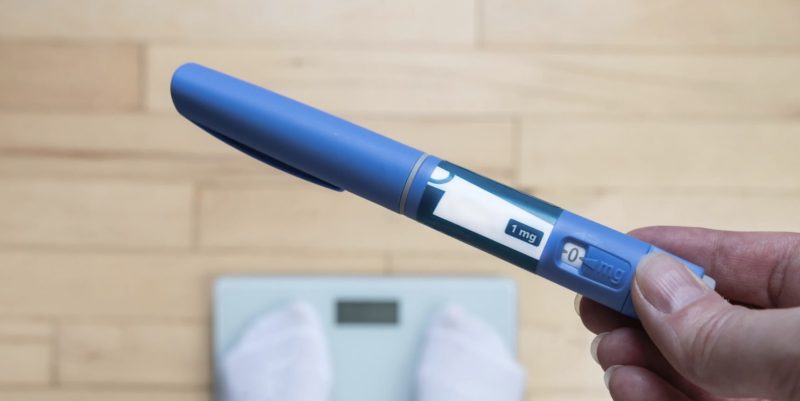
Semaglutide offers a new approach for adults with obesity who struggle with appetite, food cravings, and emotional eating. Studies show that it can help reduce not only overall hunger but also specific cravings, like those for sweets or savory foods. In several clinical trials, people taking semaglutide reported better control of their eating, less emotional eating, and improved well-being. Weight loss results were significant even in the short term. The research points to both physical and psychological benefits. Lower appetite and fewer cravings can make it easier for individuals to stick to healthy habits. Semaglutide does not work alone, though. It works best with lifestyle changes such as healthy eating and exercise. Individuals interested in this treatment should talk to a healthcare provider about risks, benefits, and expectations.
Article edited by Karl Webber