
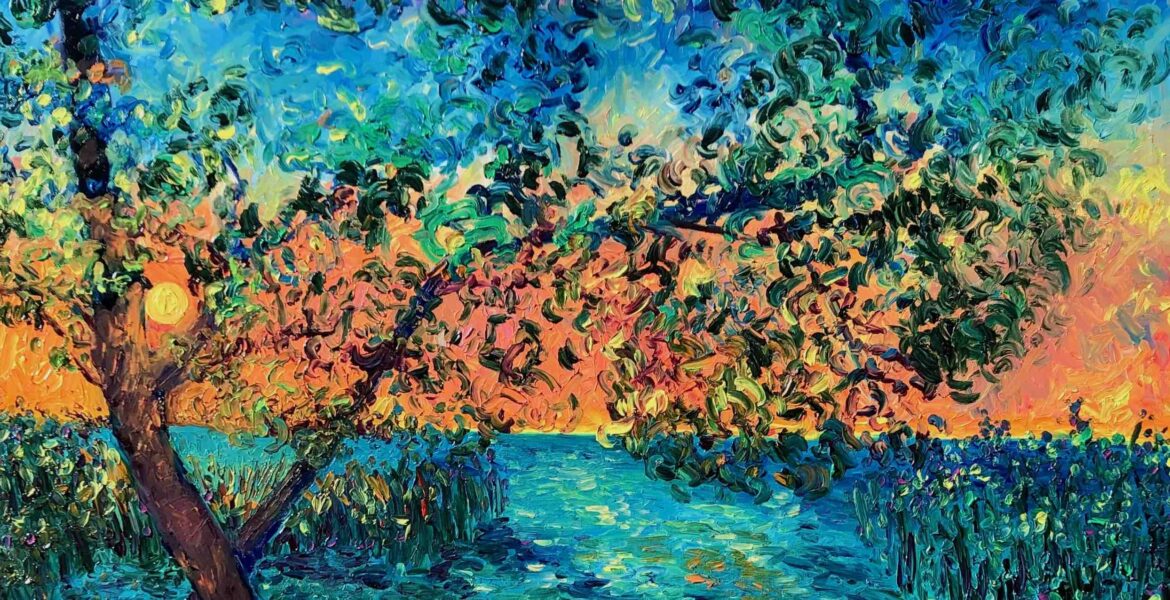
We find ourselves in Italy during the economic boom, by a lake called Garda, which is visited by an elite of prestigious tourists worldwide. It is 1988 when Chiara Magni was born in that cradle of beauty, of territories traversed by history and art.
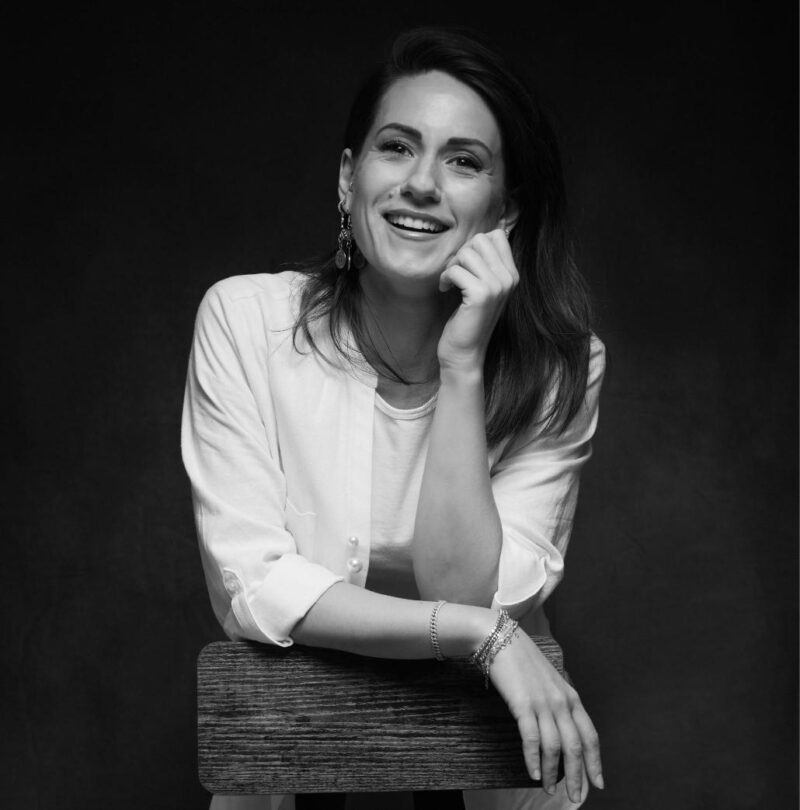
– Chiara Magni –
Her ambitions are immediately evident in her spasmodic desire to follow the beauty and fervent Italian genius. “Blue,” the first word she wrote at the age of five on a piece of paper, announces her destiny as a painter. It was not just a colour but a concept that would materialize in art at the age of eight in her first oil painting.
The choice to enrol in the art high school is discouraged by her teachers, but Chiara tries anyway, going to clash with the adult world that she sees as black shadows that lengthen more and more to hinder her path. At the age of 24, Chiara frees herself from this pitch that envelops her. A violent robbery will mark her forever, leaving her with a scar, lateral running along one side of her face. During her convalescence in the hospital, she understood that life was too short not to follow her dreams. For Lucio Fontana, the gesture of cutting on the canvas is cathartic, a clean break with the past, perfect and immediate like the gesture that precedes the realization of his works, all preceded by an extended meditation. So Chiara meditated on that cut received on her skin and flesh until it touched her soul.
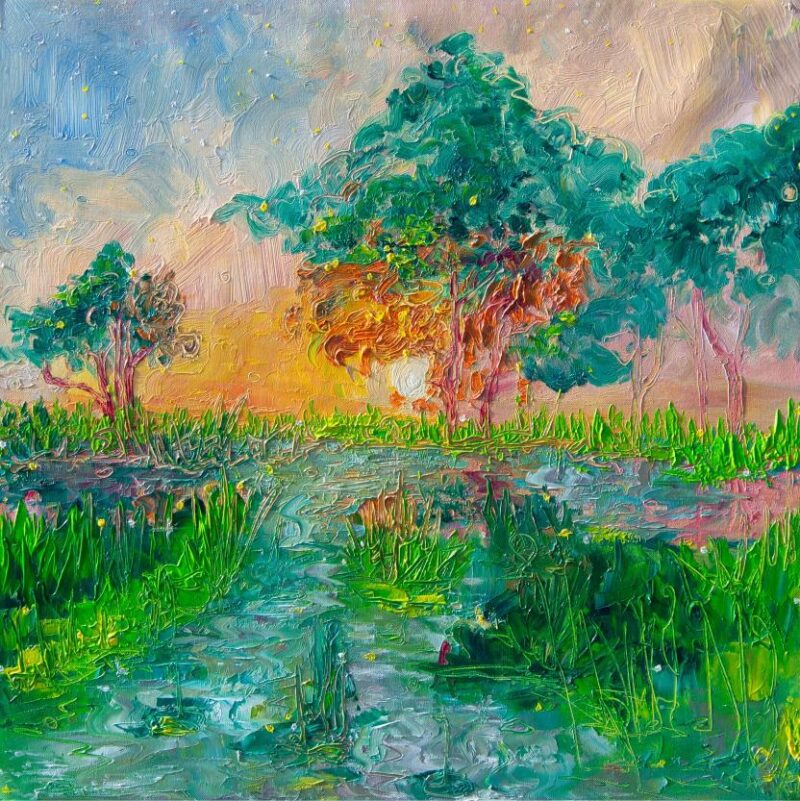
The girl who at five had written and thus conceived the concept of blue is now an adult who expresses herself with that child’s soul. She returns to painting, but this time, she is free and has a new intent. She doesn’t worry about identifying with a current. She can be defined as impressionist or expressionist, but she is only interested in freely ranging in the universe of her canvases. This is how Chiara gives birth to her current: Bright Expressionism. She possesses a unique style, imbued with powerful emotions and abstract colours chasing natural images’ contours.
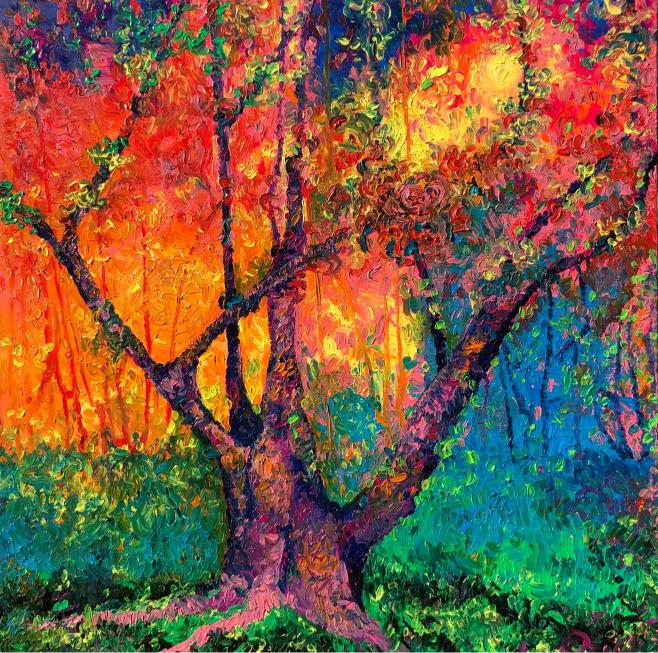
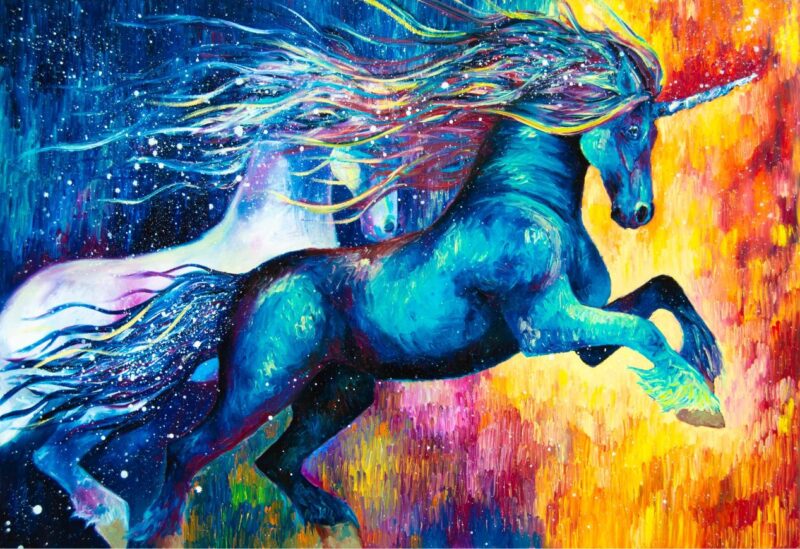
Her paintings are the expression of a soul, fierce and calm. Seemingly fragile like nature represented by flowering fields, or wild when represented by fierce and mighty beasts. Leonardo da Vinci wrote: “Savage is he who saves himself” – “Savage is he who saves himself.” The etymology of savage, coined by the Master of all times, seems consistent with the nature of Magni’s art. Titanic elephants melting into protecting their cub, cosmogonies weighing on skies of green landscapes, women suspended in gravity, their bodies immersed in water, and an unknown face peeking out with breath.
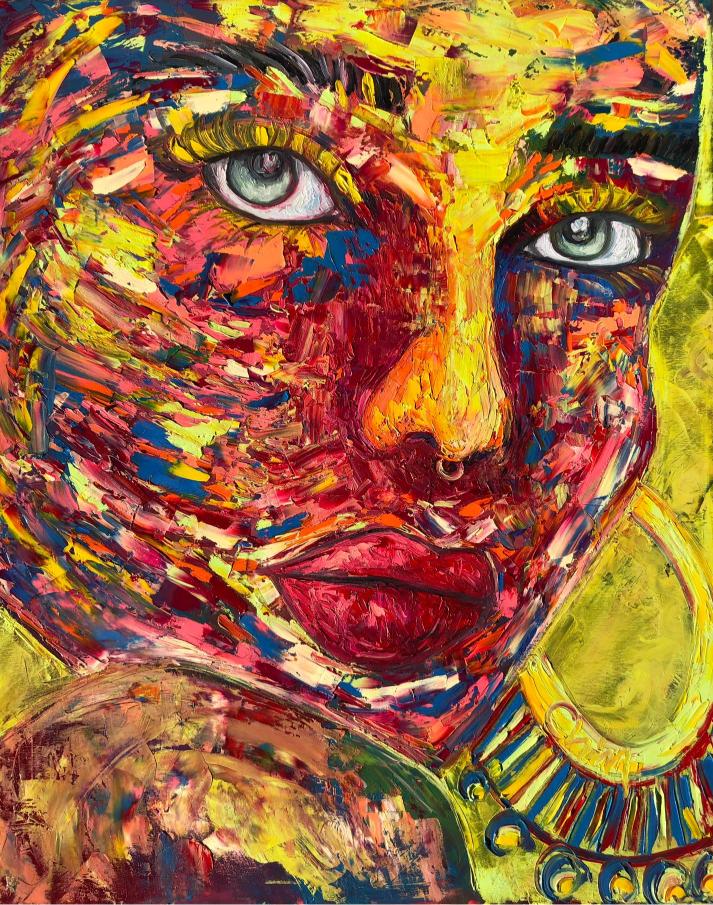
Today, she lives her latest turning point. The canvas has two dimensions, height and width, and depth given by colour, added or subtracted, spread or scratched. She immerses herself in paintings, experimenting with new tools. She uses spatulas, fabric, wooden sticks, cotton swabs, brushes, and more like her fingers. Oil painting is explored both when it is fresh and when it is semi-dry, revealing layers of colour or hidden emotions.
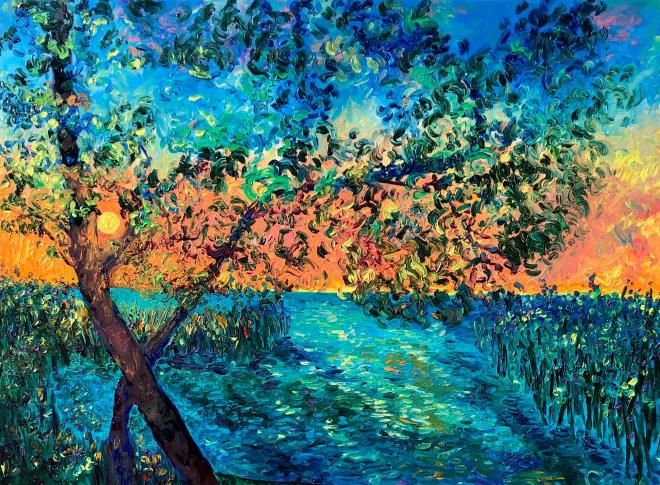
Art is a necessity, and Chiara Magni’s necessity is to paint with the light of the soul flowing from our wounds.
Discover more @ chiaramagni.com
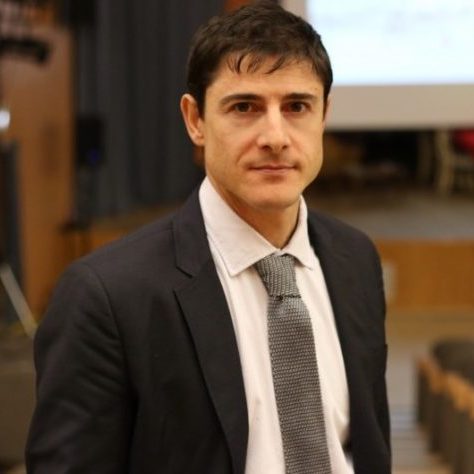
Article edited by Prof. Luca Caricato
Luca Caricato – The World of Art
Leonardo Da Vinci Scholar
Art Historian – Art Expert