
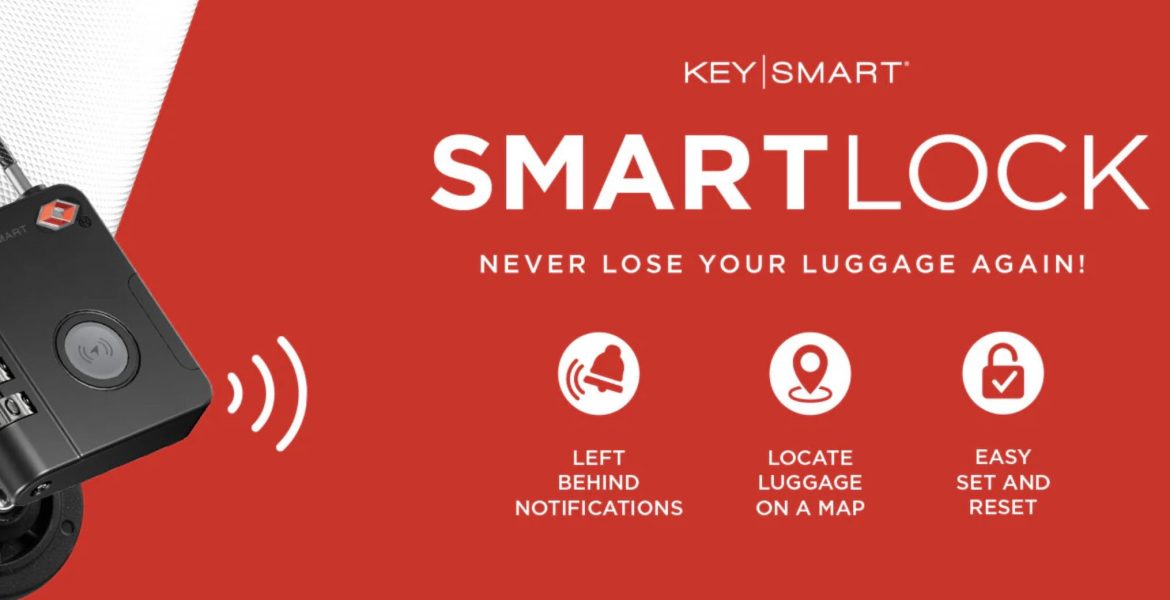
Busy airports and crowded terminals can make it hard to keep bags safe. Smart luggage locks add an extra layer of security by combining fingerprint access, Bluetooth, or tracking features that prevent unauthorised entry. They protect bags by limiting access to approved users and allowing travellers to locate misplaced luggage in seconds. Smart features such as remote access and event tracking give travellers peace of mind while they move through tight flight schedules. Devices like KeySmart rugged luggage lock, along with other options such as Bluetooth-enabled luggage trackers and smart locks from different brands, work with location networks to help travellers find lost bags through connected apps. This combination of physical security and digital tracking reduces the risk of theft or misplaced luggage during busy travel days.
Key takeaways
- Smart luggage locks protect bags by restricting unauthorised access.
- Built-in tracking helps locate lost bags fast.
- Modern locks combine technology and durability for secure travel.
How smart luggage locks protect your bags during busy flights
Smart luggage locks use connected technology to prevent theft, track bags, and simplify airport security. They combine secure materials with modern access features to protect luggage in crowded travel settings.
Advanced security technologies in smart luggage locks
Smart locks rely on biometric, Bluetooth, or digital passcode systems that make forced access more difficult than traditional combination locks. A traveller can often verify identity through fingerprint recognition or a paired smartphone before unlocking. This limits unauthorised access even if someone has physical contact with the bag. These locks also use durable metal housings that resist cutting or prying. Some Bluetooth locks connect to mobile apps that record activity logs showing when the bag was opened. That data gives travellers an added layer of transparency about their luggage during transit. Battery life matters too. Many locks last several weeks or months before charging. Some even include manual overrides in case the battery dies mid-trip. These combined security features make smart luggage locks tougher than ordinary mechanical options while providing useful insight into bag access history.
Benefits of TSA-Approved and trackable locks
A TSA-approved lock includes a built-in keyhole for agents to open bags with a universal master key. This design prevents airport staff from damaging luggage during inspections. Travellers keep control over access without giving up security. Trackable smart locks improve safety by pairing with a phone app. They often support location alerts for misplaced bags or can link with tracking platforms such as the SmartLock Tracking Device. This type of device uses a network connection so travellers can see where their luggage last appeared, even if they move between terminals or transfer. Such locks also reduce the risk of lost baggage. They notify the user if the bag moves out of range or changes location unexpectedly. Combined with TSA approval, this makes them practical for frequent air travellers who need both monitoring and compliance.
Convenience and remote access features for travellers
Smart locks remove the need for physical keys and metal combinations. A smartphone or watch can unlock the device through Bluetooth or Wi-Fi. This saves time, especially at busy checkpoints or during quick transfers between flights. Some models allow remote locking or unlocking through a mobile app. If a traveller forgets to secure the bag, they can lock it instantly from their device. Certain locks also send alerts if the bag opens without authorisation, allowing a quick response before theft occurs. Convenience extends to shared travel, too. Family members or coworkers can receive digital access codes instead of traditional key copies. This level of control keeps belongings secure while keeping travel routines smooth and efficient.
How luggage tracking and notifications minimise lost bags
Smart luggage locks and trackers help travellers reduce lost bag incidents by combining real-time location data with alert systems. These devices give travellers precise control over their checked bags and allow quick action if a bag ends up outside its intended route.
Smart luggage trackers: GPS, Bluetooth, and cellular options
Smart luggage trackers use GPS, Bluetooth, or cellular connections to report a bag’s location. GPS trackers work best for long-distance travel because they connect to satellites and send updates even when the bag is far from the traveller. Bluetooth trackers suit short-range monitoring, such as locating a suitcase in a hotel or at the baggage carousel. Cellular trackers provide broader coverage by sending updates through mobile networks, even if GPS signals drop. Modern trackers also connect with phone apps that display the last known location and send notifications about movement. For example, a traveller can use the Find My app or a similar feature to see the bag’s position on a map. This allows quick confirmation that the bag arrived at its destination. As a result, awareness and fast response reduce the chance of losing valuable items.
Location tracking, alerts, and recovery at baggage claim
Location tracking adds peace of mind at busy airports. Once a checked bag reaches handling areas, the tracker sends updates that confirm it is still nearby. Some devices send proximity alerts through Bluetooth once the bag appears within a few feet of the traveller. This feature saves time during baggage claim and helps identify the right suitcase among many similar ones. If an airline misroutes the bag, GPS or cellular trackers allow travellers to share precise coordinates with staff for faster retrieval. A simple map pin can cut hours off the search process. Travellers no longer rely only on airline systems that can lag behind real movement. Continuous alerts reduce human error and support quicker recovery once the bag is located.
Choosing and using smart locks and trackers effectively
A well-chosen tracker pairs best with TSA-approved luggage locks for both safety and compliance. Smart luggage locks often include Bluetooth connections that link to mobile apps. These locks can display lock status and send alerts if someone tampers with the suitcase. Combining a smart lock with a tracker covers both location and physical security. Before a flight, travellers should fully charge trackers, place them near the top of checked bags, and test signals in advance. They should also activate push notifications to receive real-time updates. Keeping settings simple improves accuracy and reduces false alerts. With proper setup, smart luggage locks and trackers allow travellers to move through airports with greater confidence and faster recovery if something goes wrong.
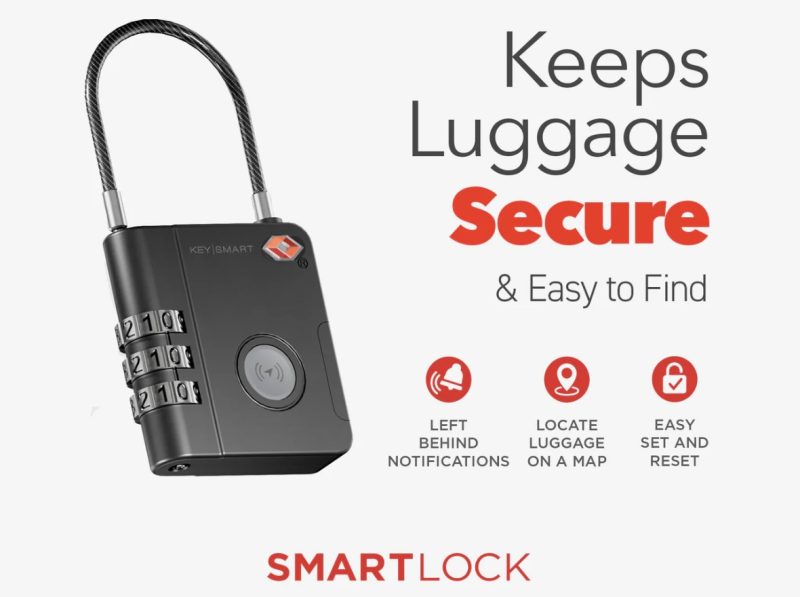
Smart luggage locks give travellers more control over their belongings during busy flights. These devices use features such as keyless entry, Bluetooth access, and movement alerts to protect bags from theft or tampering. They help reduce risks that come with traditional locks or exposed zippers. Airports can be hectic, and baggage often changes hands multiple times. A smart lock helps travellers stay aware of their luggage’s security, whether on a layover or at baggage claim. The ability to unlock bags through a phone app adds both convenience and speed.
For frequent travellers, investing in a smart luggage lock can provide practical benefits. It simplifies travel routines, adds a modern layer of protection, and supports peace of mind in crowded travel settings.
Article edited by Mark Webber