
The surrealist avant-garde sees the unconscious as the path to freedom. It is first and foremost a freedom to be, which manifests itself when the surrealist avant-garde sees the unconscious as the path to freedom. It is first and foremost a freedom to be, which manifests itself when one breaks free from logic and reason, just as in dreams, where seemingly unconnected impulses and thoughts are revealed, allowing the individual to explore their inner reality and the mystery of existence. And to do so without limitations.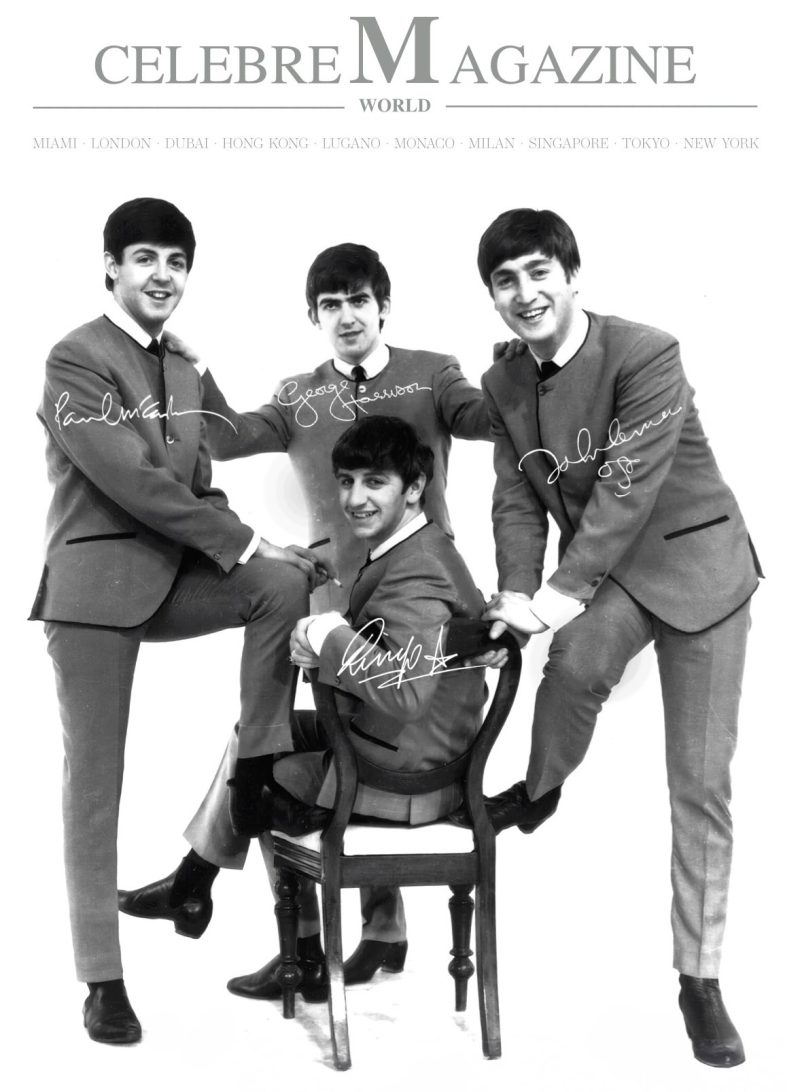
During the same period, Sigmund Freud discussed dream interpretation as a fundamental method of psychoanalysis, the discipline he created. Among his supporters was the poet André Breton, author of the Surrealist Manifesto, an artistic trend fascinated by the mechanisms of the unconscious, especially those that reveal themselves during the waking state through the free association of ideas and the psychic automatisms that generate them.
“Freedom is the possibility of being and not the obligation of being,” says René Magritte, a leading exponent of the movement alongside Salvador Dalí, who conceptually interpreted this search for freedom, going so far as to question reality itself. For him, being free meant thinking beyond the deception of what the eyes see, thus accessing the depths of the human psyche and opening up to the possibilities of being through a new type of vision.
The game of deceptive perceptions of reality, which is never what it seems, dominated Magritte’s painting. “Those who look outside dream. Those who look inside wake up,” as Carl Gustav Jung said. The Surrealists rejected the rules of common morality and everything that limited artistic expression, experimenting and remaining true to themselves. This belief would inspire, in a completely different context but united by the aftermath of two world wars, the Fab Four from Liverpool.

John, Paul, George and Ringo were never afraid to experiment and express their thoughts, even if it meant displeasing the public and the press. They didn’t do it using strong language; they simply did it and gave the world the dream of succeeding while remaining true to themselves, surrounded by a fresh aura of freedom.
Their animated film “Yellow Submarine,” based on the song of the same name, features graphics that are far removed from realism and the more familiar Disney style of the time, mixing surrealism and pop art. This style was later revisited in their music videos by Oasis, another British quartet who were always inspired by the Beatles.
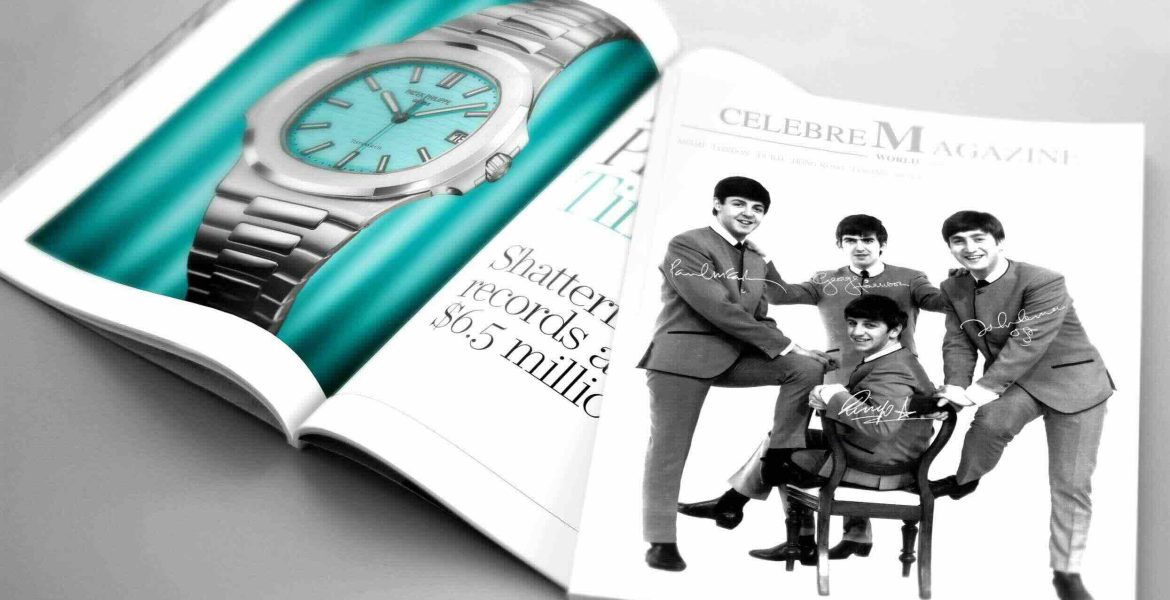
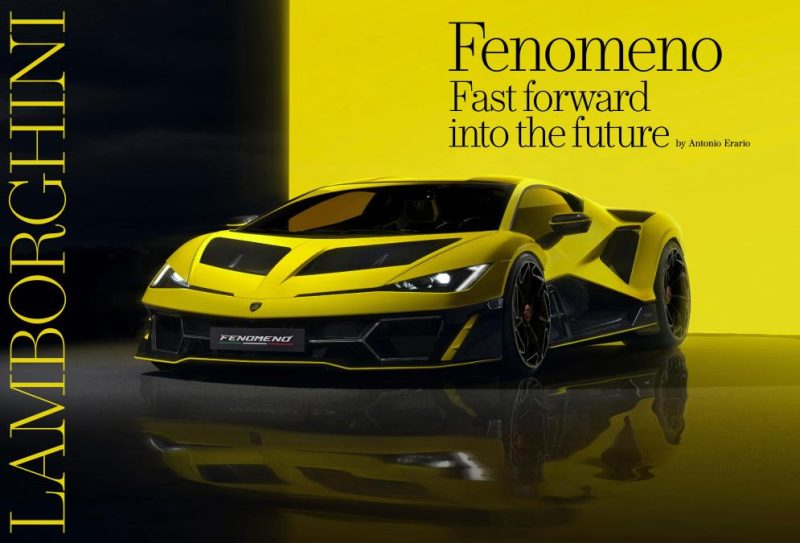
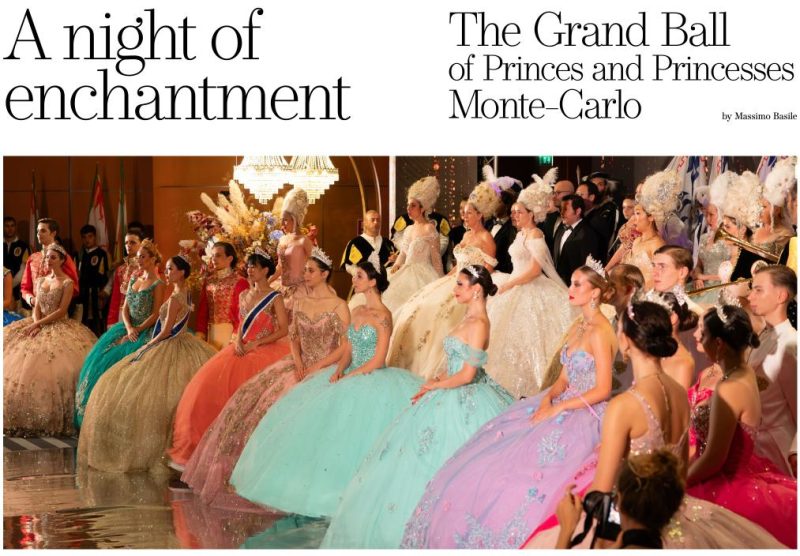
From Marie Antoinette on display at the V&A to motors and gala balls, let freedom of expression be the thread of this new edition of Celebre Magazine.
Article edited by Claudia Chiari