
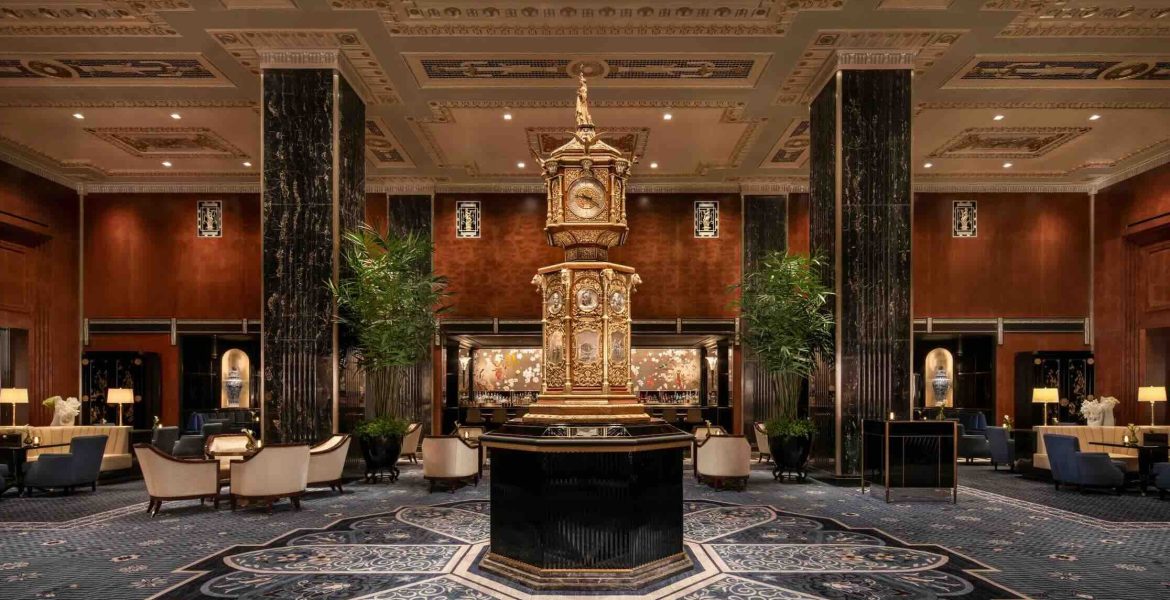
The unofficial palace of New York City, the epitome of elegance and a living heir to the city’s Gilded Age glamour, the revolutionary of hospitality, the grand hotel that Conrad Hilton called “The Greatest of Them All”, Waldorf Astoria New York reopens after nearly 8 years and billions of dollars of restoration, and is prepared to welcome guests to its magnificently transformed rooms from September. With an incentive to celebrate and preserve the splendour of Waldorf Astoria’s 1931 Art Deco style, all the while modernising the space and the amenities, the refurbishment was led by architects Skidmore, Owings & Merrill (S.O.M) in collaboration with the city’s Landmark Preservation Commission, and by the renowned interior designer Pierre-Yves Rochon.
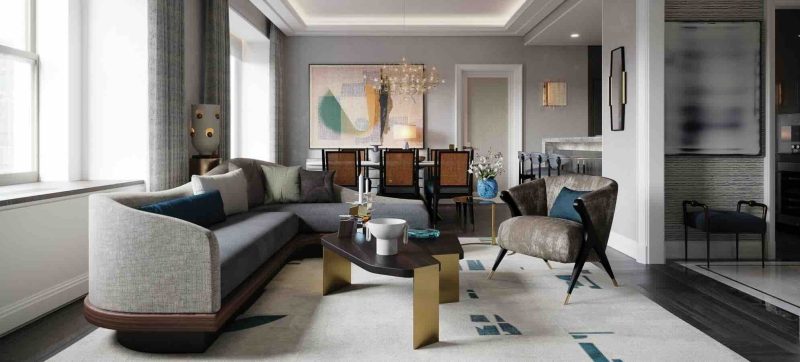
One of the bigger changes is turning the original 1440 rooms into 375 guest rooms and 372 newly minted residences. Offering a living experience like no other, the 372 residences span floors 19 to 52, offering layouts from intimate 53 sq m. studios to 600 sq m. penthouses with private terraces. Prices range from $1.875 million to $18.75 million for four-bedroom homes, with the sales managed by Douglas Elliman Development Marketing having begun in 2021. The interior design of the residences by Jean-Louis Deniot embraces the timeless glamour of Art Deco and honours Waldorf Astoria’s history. Every fixture and finish is handpicked by Deniot, who also created custom cabinets, vanities, lighting fixtures, and mosaics, done in a modern French Art Deco style. The windows replicate the building’s original design and flood the rooms with dynamic views of the New York Cityscape. As the designer himself outlines, his extensive experience in restoring historical structures ranging from the 15th to the 20th century around the world proved useful for this project.
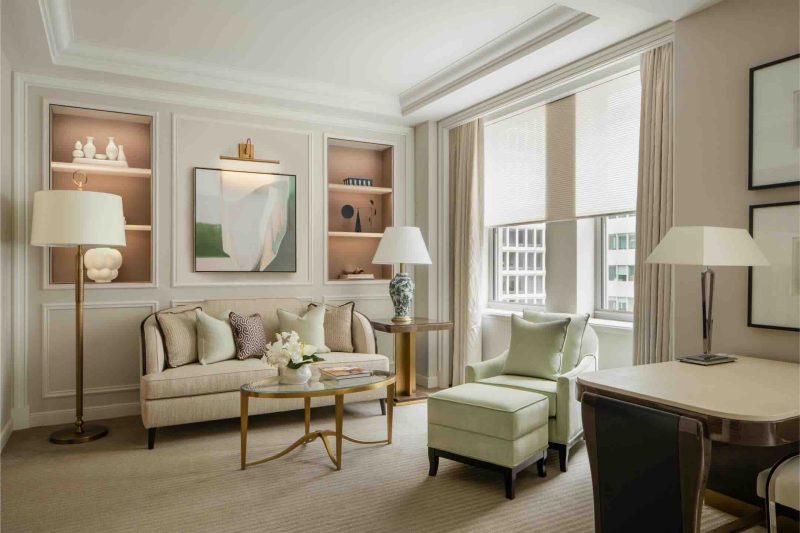
The first for New York, the residences can be purchased fully furnished by B&B Italia; kitchen appliances by Gaggenau are cleverly concealed by wood and lacquer cabinetry custom-designed by Deniot. The residents will have access to two private and secure entrances, and 5.000 sq.m. of exclusive amenities for wellness and fitness, leisure, dining, and socialising, all paired with the legendary Waldorf Astoria service. The private lobby is embellished with artworks curated by the Swiss auctioneer and art dealer Simon de Pury. The 375 suites are bigger than ever, designed by the French interior designer Pierre-Yves Rochon in a refined, quiet-luxury neutral palette with warm beiges accented by dark wood and marble. Aesthetically different from the storied history of Peacock Alley and the mirrored shimmer of the Silver Corridor, the rooms, from base-level kings to the most coveted one-bedroom suites, speak in a softer register, offering elegance with the quiet confidence of home.
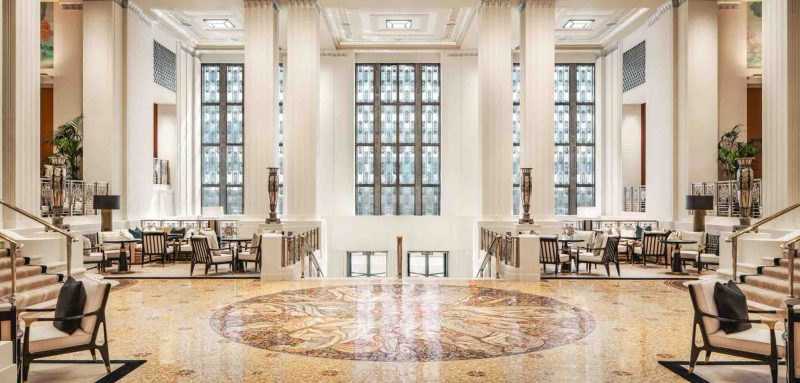
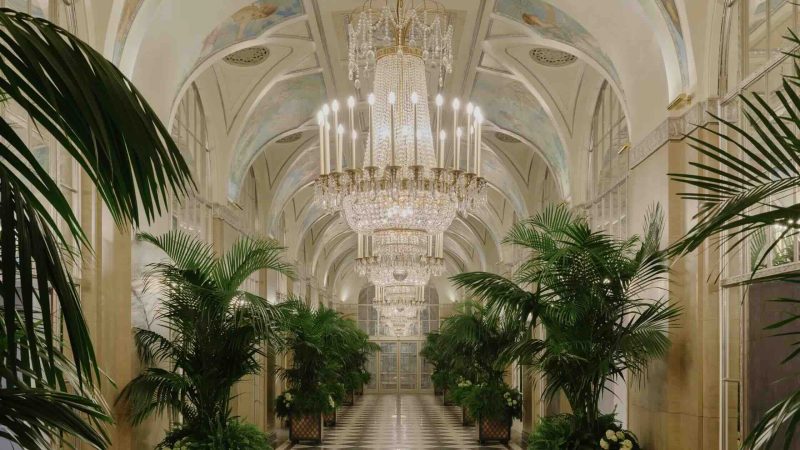
It is precisely in the halls of the hotel that the rich legacy of Waldorf Astoria is most palpable. As the guests walk through the grand bronze doors of the hotel’s Park Avenue entrance, they will discover Louis Rigal’s “Wheel of Life” floor mosaic made with 148.000 hand-cut marble tiles from around the world, telling the story of life and love. The Silver Corridor on the third floor, connecting the Grand Ballroom and the Basildon Room, is inspired by the Hall of Mirrors at Versailles. It features murals by the American painter Edward Simmons preserved from the hotel’s original location on Fifth Avenue. Waldorf Astoria has revolutionised the hospitality experience with its service and dining. It was the first hotel to introduce 24-hour room service and offer en-suites and in-room telephones for every single guest, prioritising personal service, privacy and comfort.
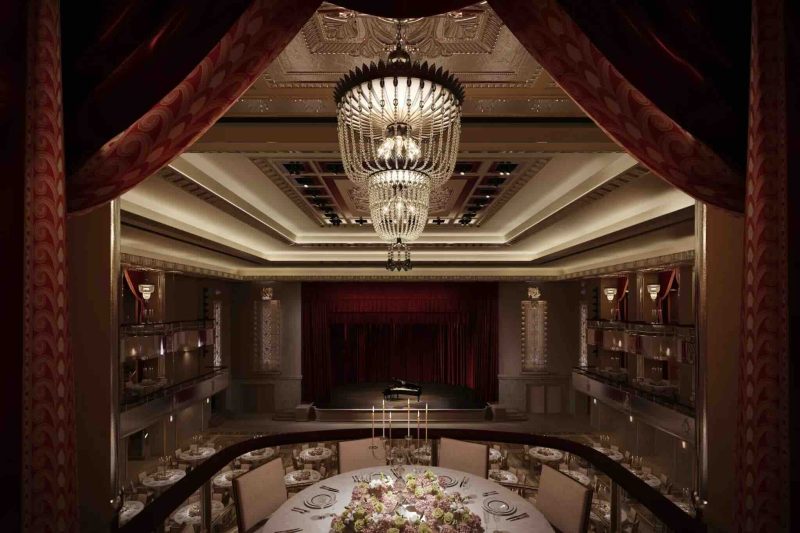
The hotel’s restaurants have changed the face of fine dining, introducing and popularising scores of celebrated dishes, including Eggs Benedict, Red Velvet Cake, Lobster Newburg, and, of course, the Waldorf salad. Many recipes were recorded in Oscar Tschirky’s cookbook; widely known as Oscar of the Waldorf, during his time as maître d’hôtel of Waldorf Astoria, he hosted numerous charity balls, luncheons, and banquets for the New York’s crème de la crème and the world’s leaders in the Grand Ballroom, which today has been restored to its original glory with the help of the local Landmarks Preservation Commission and is available for private hire.
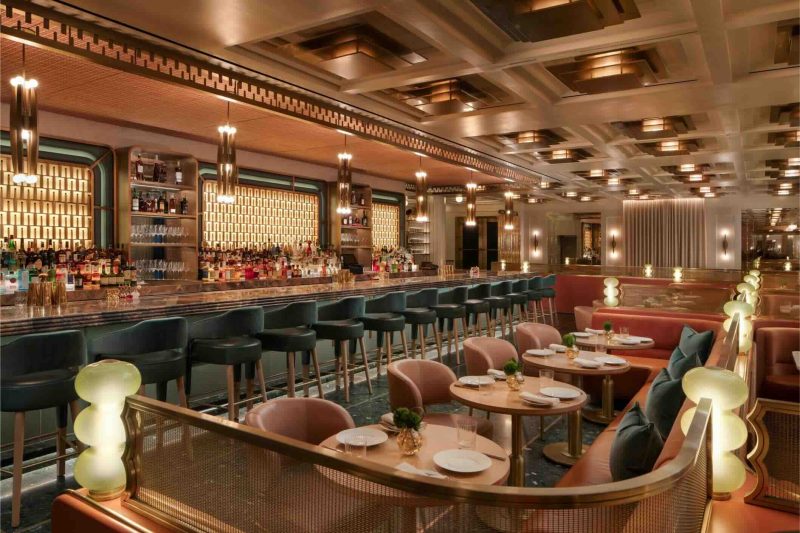
Moreover, as an homage to Waldorf Astoria’s legacy in culinary innovation, three fabulous restaurants have launched. The signature Lex Yard is a two-story American Brasserie-style restaurant led by the acclaimed Chef & Partner, Michael Anthony (Gramercy Tavern), who spent months putting a twist on the traditional Waldorf salad. Steps from Park Avenue is the intimate Japanese-inspired Yoshoku, perfect for a romantic date or a celebration with loved ones. Most notably, the iconic Peacock Alley Lounge, which originally referred to the marble corridor that connected the Waldorf and the Astoria hotels on Fifth Avenue and earned its name from the fashionable guests parading up and down in their finest attire, has largely been restored to its 1931 design, but also revitalised, becoming full of light and elegance, with the famous Peacock Alley bar made of black lacquer and Saint Laurent Marble flanked by intimate seating areas and discreet service stations at the centre. The cocktail programme curated by Jeff Bell is simply unmissable for those who appreciate a perfect pour.
To step inside Waldorf Astoria is to enter a realm where grandeur is instinctive, service is art, and the air itself carries the weight of history. Here, landmark events are not merely remembered; they are made anew as the next generation gathers to dine, toast, and dance beneath her chandeliers. The clock commissioned by Queen Victoria in 1893 shines brightly in the lobby, inviting Waldorf Astoria’s guests to once again say “Meet me at the clock!”.
Discover more @ NY Waldorf Astoria
Article edited by Anastasia Fedosova