
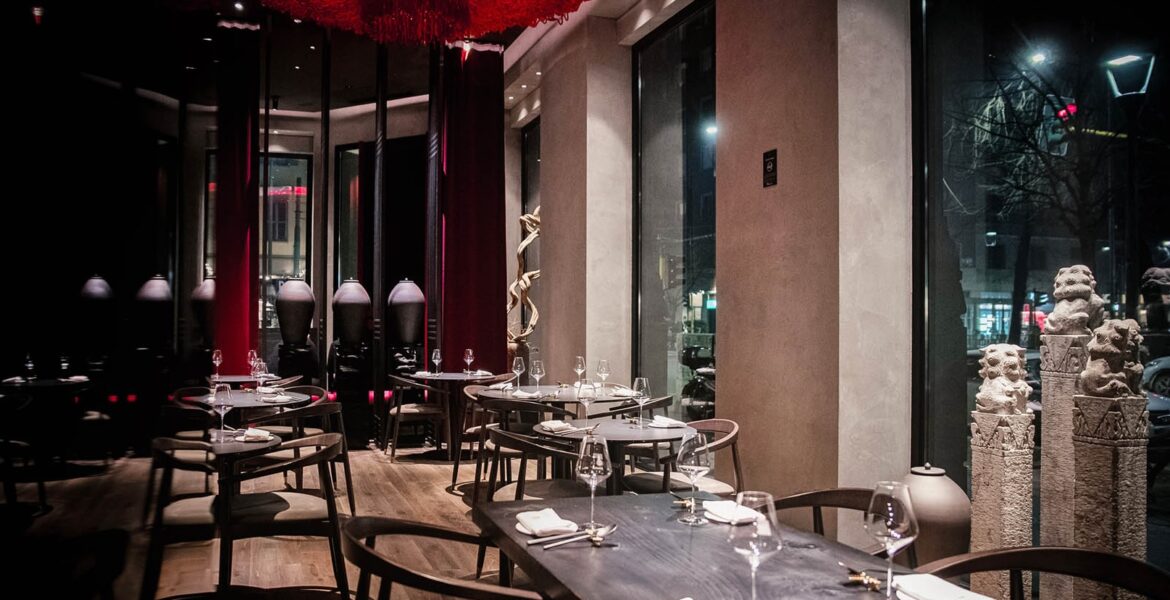
Chinese culinary culture is rooted in regional diversity and oriental symbolism, with echoes of the Celestial Empire, and these ingredients are more than apparent the second you cross the threshold of Ba Restaurant, located in the residential area via Raffaello Sanzio. Founded in 2011, Marco Liu’s business venture heralded the start of a fine dining phenomenon that stands out against the panorama of Chinese cuisine in Milan. Together with his wife, Francesca, he welcomes us as we embark on a journey rich in flavours and history.
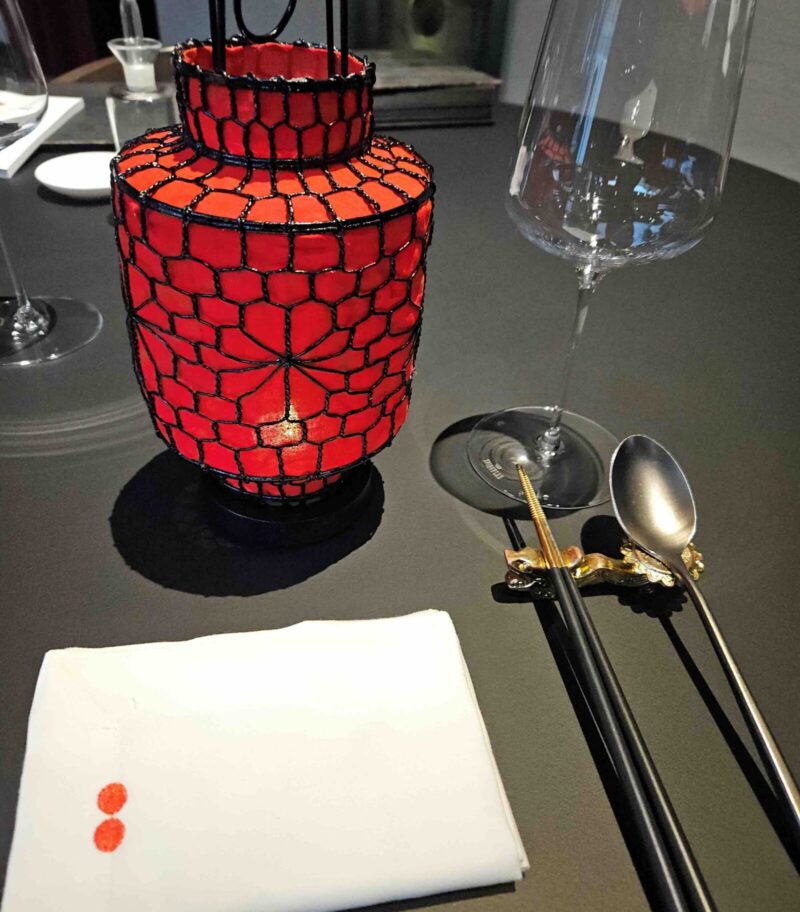
In Mandarin, the word “Ba” has a dual meaning: eight and father. In Chinese culture, “eight” is of great value and symbolises harmony, stability, and prosperity. At the same time, the latter pays tribute to the founder’s father, who passed on to his children the dedication and passion that underpin the restaurant’s philosophy. Marco, a second-generation Chinese immigrant who grew up between Emilia Romagna and Milan, seeks to tear down the obsolete stereotypes surrounding Chinese cuisine in Italy, enriching it with refinement and creativity. “Our goal is to offer daily interpretations of contemporary Chinese cuisine, deeply rooted in the traditions of our homeland, drawing inspiration from exceptional ingredients and Italian culinary techniques”, says Marco Liu.
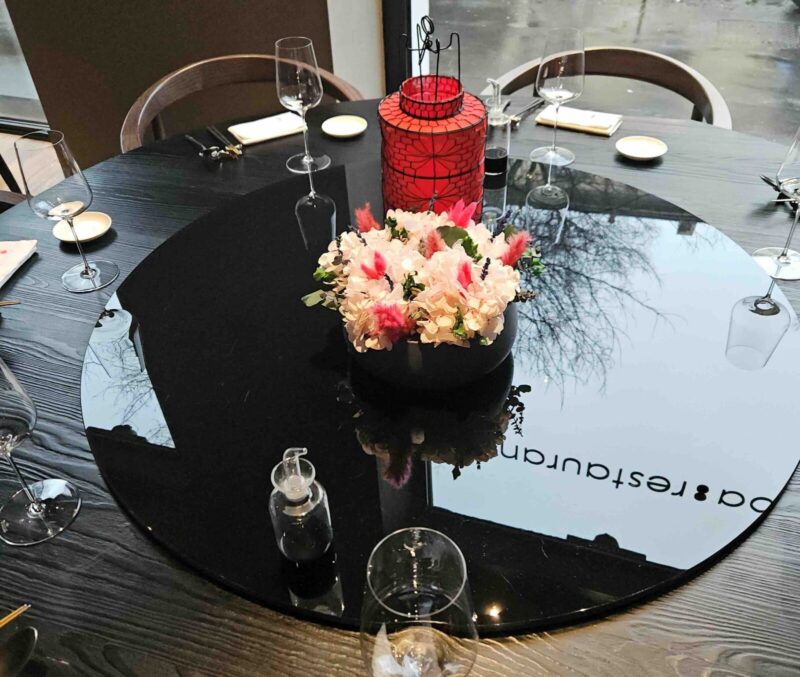
Ba’s à la carte and tasting menus are designed to take the diner on a voyage that ranges from iconic Cantonese flavours to imaginative reinterpretations and reflects the marriage of Chinese ingredients and Italian influence. Highlights include the Sorlut oyster paired with Kaluga Amur caviar, soy pearls, and finger lime with coriander gel. Equally noteworthy is the slow-cooked abalone, a delicacy traditionally reserved for guests of honour in Chinese culture, which is prepared with a rich broth reduction.
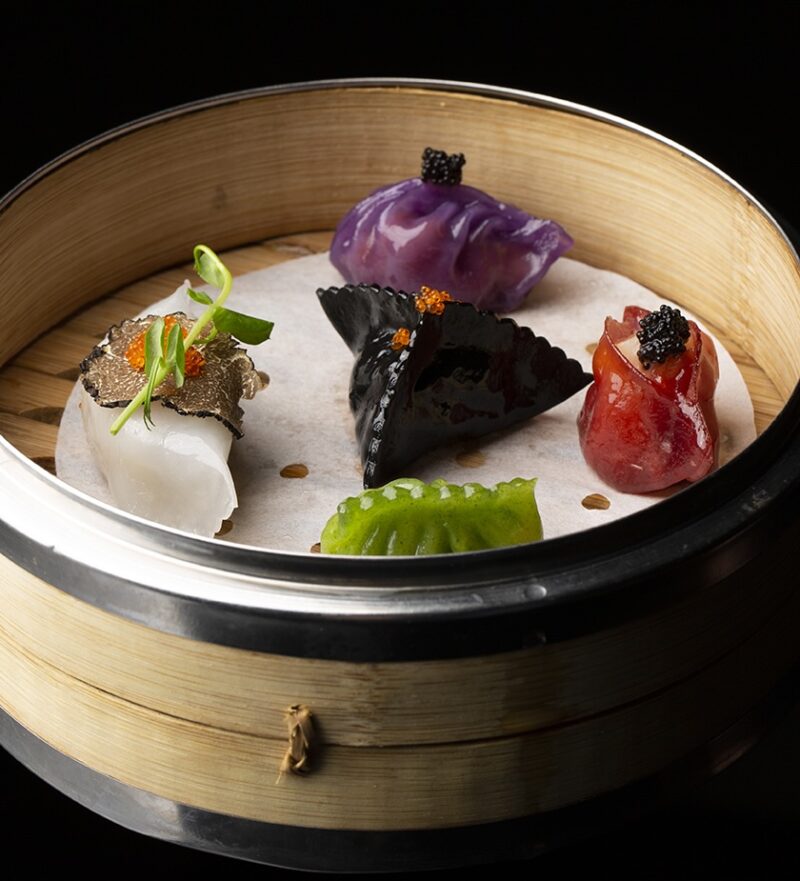
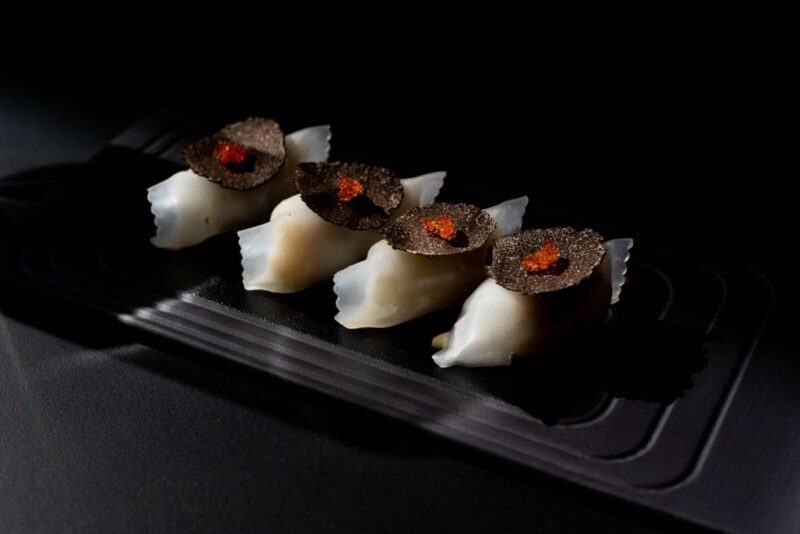
In the open kitchen, chef Chee Kean Wu brings his creations to life in full view of the guests, focusing in particular on the delicate art of dim sum that he has perfected during his time in Asia, reinventing it with innovative techniques and ingredients. Among his signature parcels, we find black cod parcels with black truffle and orange tobiko, salmon and wasabi, and spicy Sichuan shrimp wontons.
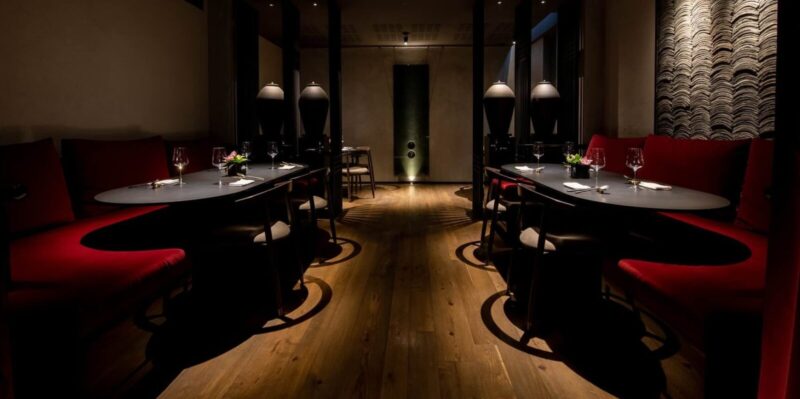
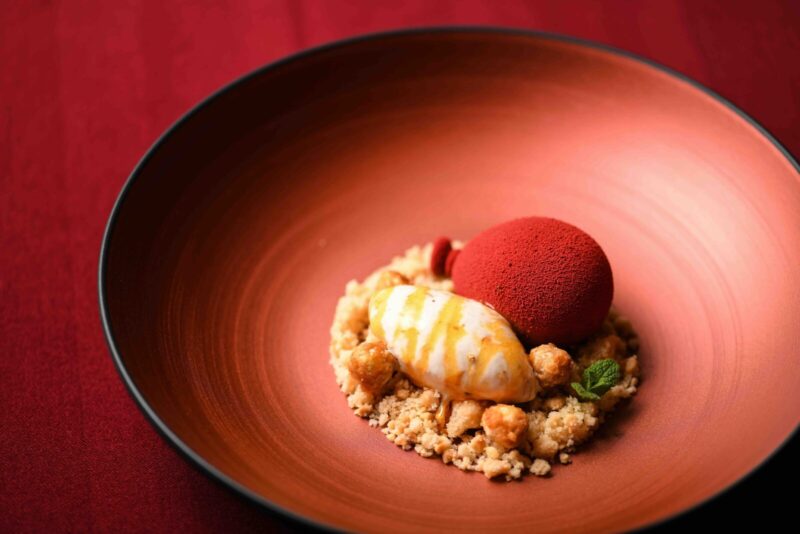
The menu’s highlight is the Peking duck, an unmissable dish that is an icon of Chinese culture. It is prepared with the most traditional techniques that involve a simple but lengthy preparation process, so much so that it requires a reservation at least three days in advance. Finally, the dessert menu features a playful fusion of Chinese tradition and Italian pastry methods.
The wine pairing experience is curated by sommelier Marco Spini, who joined Ba five years after it opened its doors: an exceptional menu with 650 labels from Italy, France, Germany, and even further afield, which highlights an approach rooted in exploration in search of elegant wines that enhance the bold flavours of Chinese cuisine. “The fusion of Italian and Chinese gastronomy requires a unique wine list to bridge the gap between two rich culinary traditions”, explains Spini.
To finish, Ba offers a selection of traditional Chinese spirits including Moutai, a sorghum and wheat spirit aged in clay pots, Fenjiu, the oldest spirit in China, and Wuliangye, obtained from a blend of five cereals according to techniques passed down from the Ming Dynasty. An interesting conclusion indeed.
Enjoy even more @ BA Restaurant Milan
Article edited by Lucrezia Doria