
Between the notes, as if his were just any notes. Between the notes, as if there were only a few of them in his scores. In Milos Foreman’s masterpiece “Amadeus”, which was loosely based on the life of the most famous composer of all time, it was the Emperor Joseph II who summed up his opinion of Mozart’s opera “The Abduction from the Seraglio”, which he had commissioned, with the traditionally known comment “Too many notes, my dear Mozart!”.
Some claim that what he actually said was “What an extraordinary number of notes!”, which suggests a sense of praise rather than reproach. His music was perfect in a way it never had been until then, absolute beauty, such pure harmony that it seemed to him that he was hearing the voice of God, as the court composer Antonio Salieri, who was both Mozart’s greatest tractor and poignant admirer, described it in the film.
 This portrait of Mozart reveals his overpowering genius, his ability to create compositions from a very young age as if they had been dictated to him, his total irreverence towards everybody, and perhaps his lack of sensitivity towards anything other than his music. And yet despite everything, in Wolfgang Amadeus Mozart’s view, real music was not in the notes, but in the silence between; so much so as to argue that “the music is not in the notes but in the silence between”.

In the pauses that give sounds a logical sense and tie their meanings together, with a purpose made up of breaths and intonation, questions and exclamations, hesitations and reflections that enliven the human comedy of masks and faces.

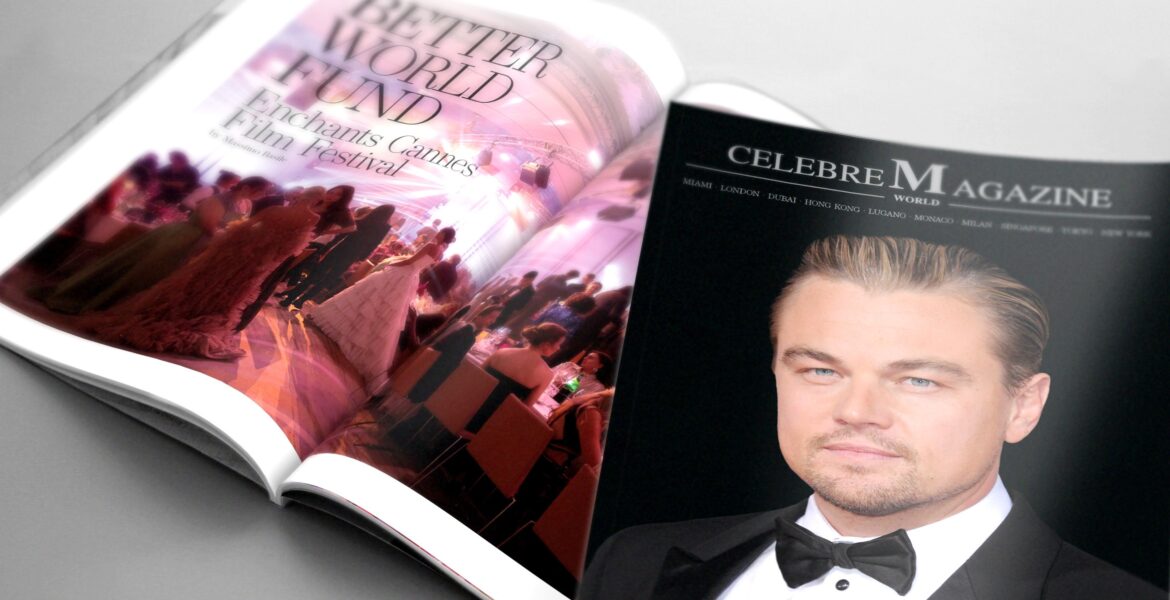
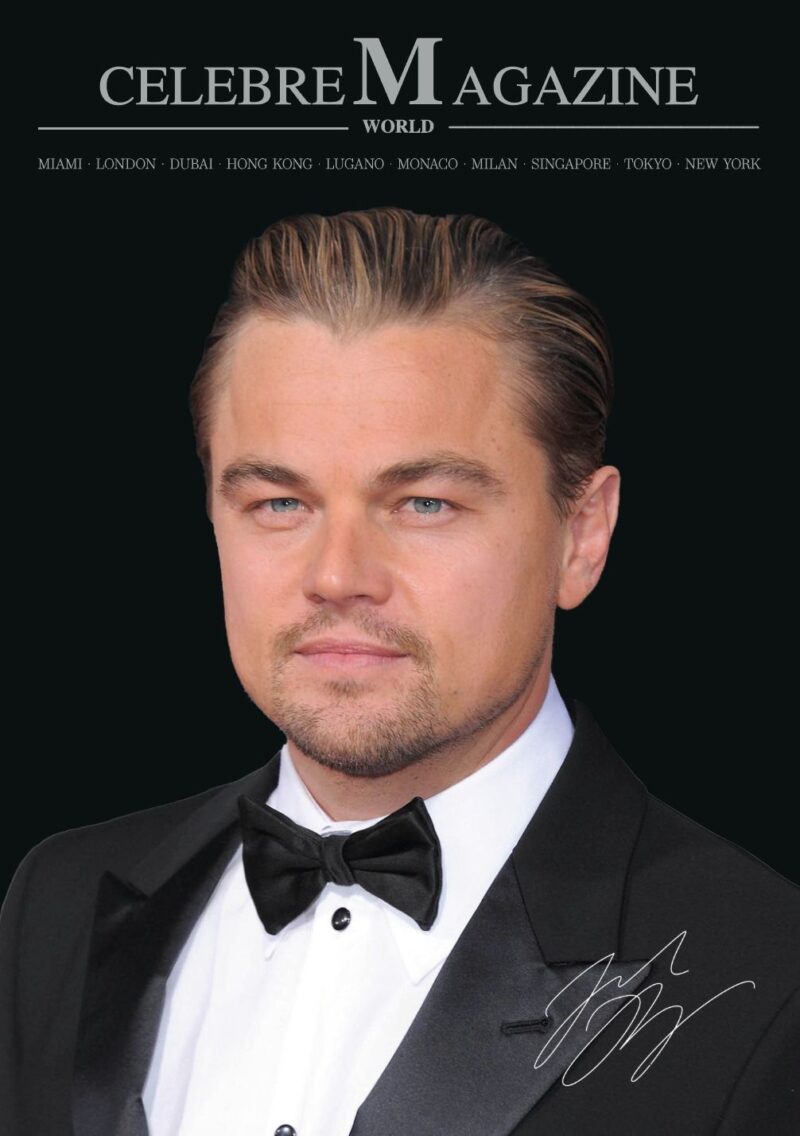
Beauty can also be found in essentiality and precision, as is the case with Latin, whose cultural posture even led some to suggest that it should be the official language of the European Union. Beauty as harmony, beauty as perfection or idealisation, like the beauty of the faces of the Pharaohs of Ancient Egypt, who rather than being portrayed as they really were, were transformed into an idea that often made them look similar but answered a need to depict the greatness and stability of the Spirit of Egypt. We will be discussing this with references to the past and the present in this tenth addition of celebreMagazine, which is identified by the Greek letter Kappa.

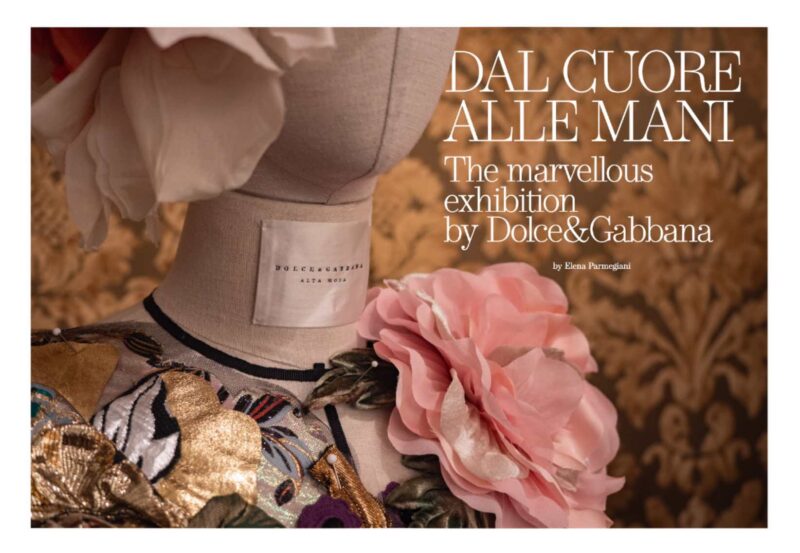
The star of our cover has made perfection a stylistic hallmark. “I want to do something important and beautiful, something that lasts,” Leonardo DiCaprio has said when talking about the cinema, which has always been his passion and his profession.
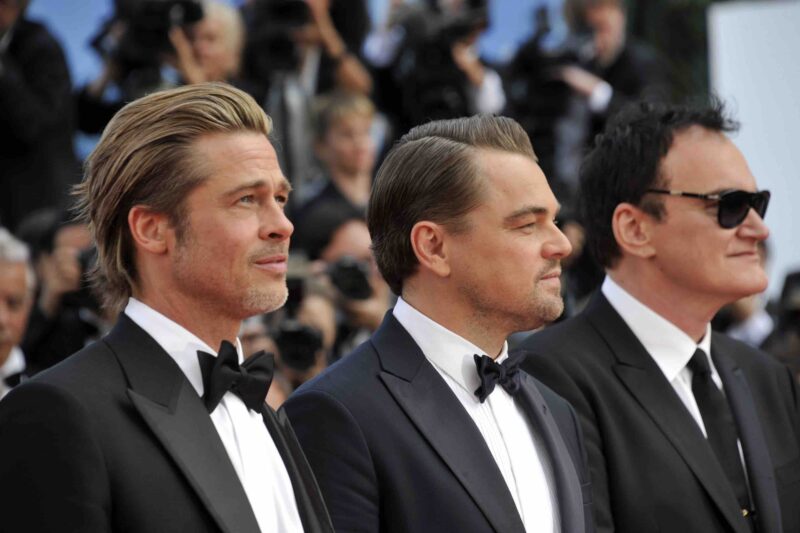
He knows a great deal about silences between and meaningful intent every time he plays a character. But he never holds back.
Article edited by Claudia Chiari
celebreMagazine Editorial Director