
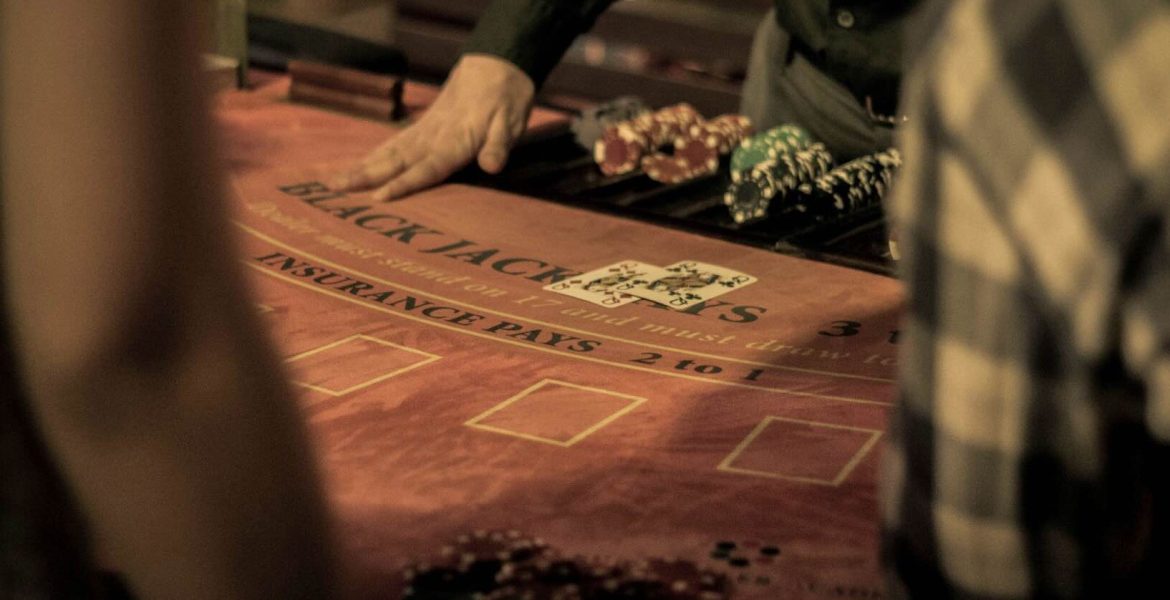
Few games in history have captured the imagination quite like blackjack. Rather than being just a gambling game, blackjack is much more of a game of skill, strategy, and chance. It is now a cultural marker of refinement, glamour, and elite living. That this game is highly associated with prestige and luxury is evident by its association with elite casinos, private rooms, and celebrity utopias. To understand what led to blackjack’s ascent, one must follow the card game from European gaming parlors to Las Vegas’s casino playgrounds and, finally, to cyberspace.
Evolution of prestige: Blackjack goes digital
For decades, blackjack was the game of choice for high society, played in private European clubs and elite American casinos where sophistication, strategy, and style defined the experience. Today, that same aura of luxury has seamlessly transferred to the online world. Echoing the excitement and glamour of Las Vegas high-roller rooms, playing in Nevada online offers enthusiasts access to unique bonuses and vast libraries of games, opportunities once reserved only for high rollers in physical casinos. The indulgent and extravagant atmosphere of land-based venues has seamlessly been taken over by contemporary online experiences, consisting of premium user interfaces, real-life dealer tables, and VIP applications fashioned to simulate the experience of luxury hotels and resorts. Licensed and regulated platforms ensure fairness and security, allowing players to enjoy the thrill of high-stakes blackjack from the comfort of their own homes. In this way, the aura of exclusivity has transcended the walls of the casino, demonstrating how blackjack remains both relevant and firmly tied to wealth and prestige, even in the digital age.
From european parlors to american elite
Blackjack’s roots lie in an older Spanish game called Veintiuna (the Spanish word for “twenty-one”), which was first recorded in a Spanish dictionary from 1611. The game eventually made its way to France in the 18th century, where it was called Vingt-et-Un, “twenty-one”. By the 19th century, Blackjack was more commonly known and played in the United States. The game picked up a lot of ground in Nevada after the state bowed to gambling in 1931. Initially, the game struggled to gain traction, prompting gambling establishments to offer promotional payouts to attract players. One interesting promotion was a 10:1 payout on a hand that contained the King of Spades and a Ten – referred to as a “blackjack.” The name stuck even after such bonuses were eliminated and the regular 3:2 for Ace and Ten was given. This progression from Spanish parlours to French casinos to America cemented the idea that blackjack was a game of skill and strategy and, ultimately, sophistication.
Las Vegas and the rise of iconic luxury
As Las Vegas itself thrived in the mid-twentieth century, Las Vegas and blackjack became more closely associated with the good life. As the Strip, the city’s iconic focus, developed, spectacular resort casinos were built to awe guests via architectural grandeur, luxury appointments, and individualized service. These became the places celebrities and high rollers began to play at the blackjack tables, which became stages for style and influence. Frank Sinatra and the Rat Pack pushed the glamorous image of the game; Las Vegas became the place to live high and game. The comfortable surroundings and the personal treatment in the private VIP rooms made playing blackjack more about visibility than about being able to transform the dealer’s cards into winning hands.
Blackjack in popular culture
Blackjack’s glamour has also benefited from popular culture. In movies like Casino Royale and The Hangover, blackjack is more than a game; it is a marker of sophistication, tension, and elegance. Celebrity high-stakes players are often shown, further raising the status of the aspirational activity of the game. These images affect perceptions of the public, associating blackjack with style and luxury. The image has translated into the fashion, lifestyle, and travel industries, which sell products and experiences that evoke the glamour of the blackjack table. The game’s media presence adds to the notion that playing blackjack is not just for fun, but rather to play is to make a statement about taste, refinement, and exclusivity.
The modern luxury experience
Blackjack remains a symbol of opulence in both online and offline worlds. VIP programs and private suites are still an integral part of the high-roller experience in Las Vegas, Atlantic City, and other gaming destinations. Resorts, for example, surround the process of playing blackjack with high-end dining options, performances, and a concierge experience that transforms the act of playing blackjack into something other than gambling. Technology, on the other hand, has changed access but not prestige. Mobile apps, streamed tables, and personalized gaming experiences have made it possible for the blackjack aficionado to feel the excitement of the game from wherever they want. This combination of old-school opulence with new-school accessibility keeps blackjack fresh and aspirational for a new generation of players.
The enduring symbol of sophistication
Blackjack’s transition from French parlors to online gaming spaces is indicative of the game’s status as an aspirational object for luxury living. It marks an interesting tension of tradition circling innovation – maintaining a form of exclusivity while changing with the times culturally and technologically. Blackjack has itself, whether in the luxe Las Vegas palaces or via apps, denoted status, class, and risk/reward potential. What makes the game more addictive than the possibility of winning? It is the sense of elegance and sophistication that it provides and that remains unmatched by most other entertainment.
Article edited by Mark Webber