
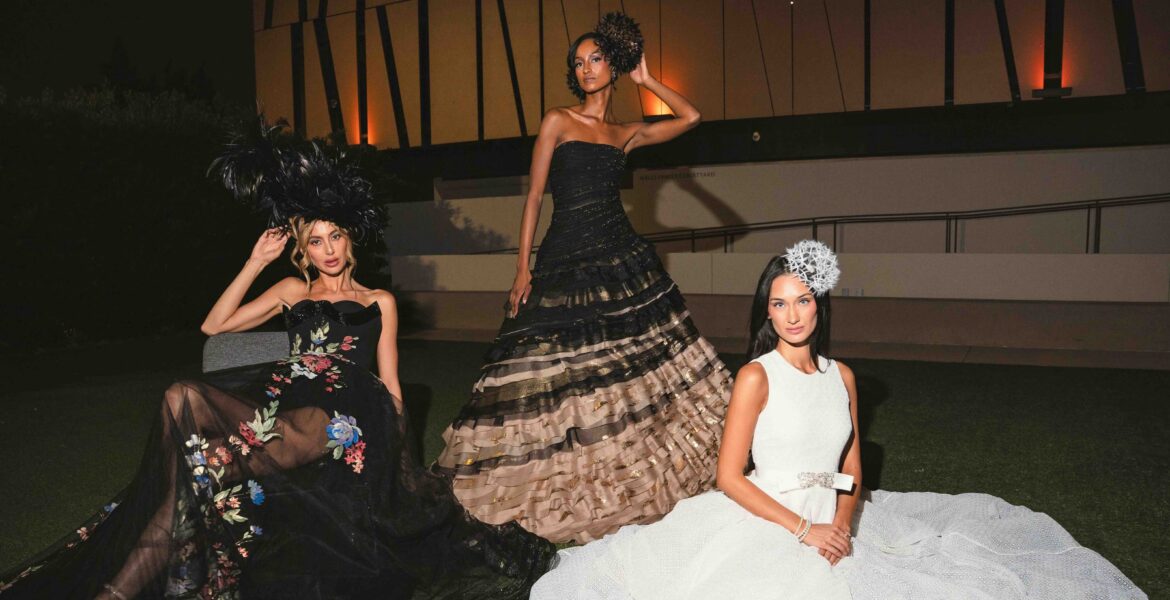
Beverly Hills Fashion Week has closed its third edition with two evenings of runway shows on 10 and 11 October, moving from the gleaming modernity of the new Mercedes-Benz Studio Los Angeles to the vaulted Grand Hall of the Wallis Annenberg Center for the Performing Arts. Ermanno Scervino, Anahit Fashiondrug and The Swan House Beverly Hills by Tony Ferreira were among the labels on the catwalk. The theme chosen by co-founder, CEO and executive producer Tammy Barr was “The Art of Arrival”: in a city whose very mythology rests on the grand entrance, less a slogan than a declaration of method.
Hollywood has always known that an arrival is never improvised. Long before the flashbulbs and the red carpet comes a patient, largely invisible apprenticeship of body and bearing. It was precisely this backstage of preparation that opened the programme. Under the title “The Gateway to Luxury”, a panel of specialists in health, fitness, longevity and beauty explored what the organisers have called the Seven Pillars to an Extraordinary Arrival: the private rituals of discipline, care and transformation that precede, out of sight, the few seconds a garment spends beneath the spotlights. An unusual prologue for a fashion week, and a telling one. Luxury today is measured as much in time and wellbeing as in silk and embroidery.

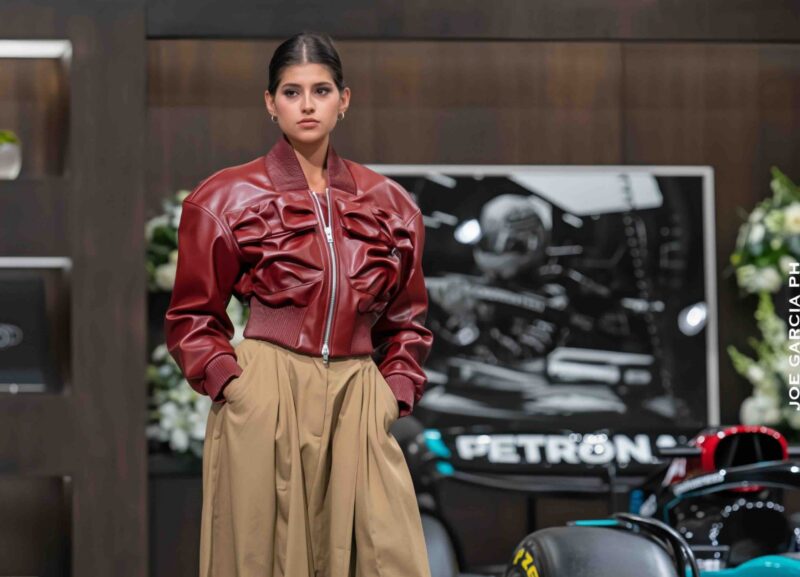
The opening night unfolded on Saturday in the Golden Triangle, the most coveted address in Beverly Hills, inside the recently inaugurated Mercedes-Benz Studio. Here the runway coiled around a Mercedes-AMG Formula One car, so that the models seemed to orbit the machine. The contrast was striking: the engineering of speed standing still, while the slow time of the atelier walked past it. The evening also carried a purpose beyond the spectacle, with proceeds going to Cancer Cartel, an organisation that supports people affected by cancer. Philanthropy has accompanied every edition of the event, and this year it found a particularly intimate cause. On Sunday the finale moved to one of the city’s most cherished landmarks. The Grand Hall of the Wallis occupies the former Beverly Hills Post Office, a 1930s building in the Italian Renaissance Revival style, now devoted to the performing arts. Beneath its vaults, a standing-room-only audience of city officials, actors, socialites and digital tastemakers gathered for a champagne reception before the shows. The setting suited the occasion. A building conceived to carry letters across the world now hosted a catwalk with an equally international vocation.
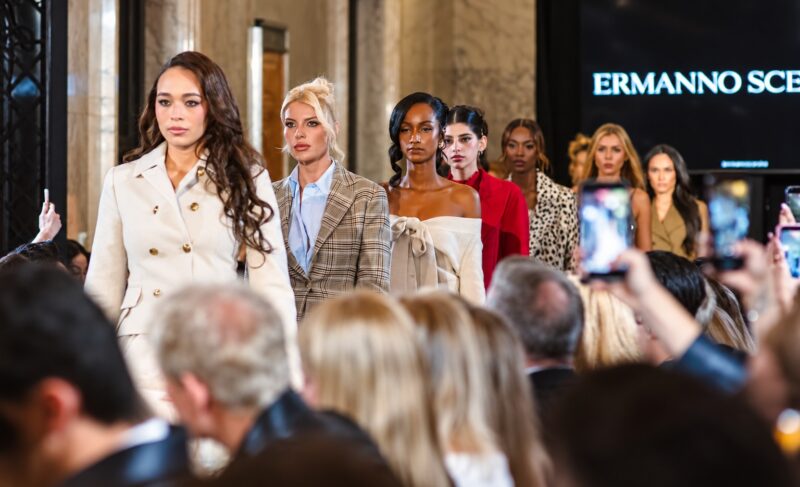
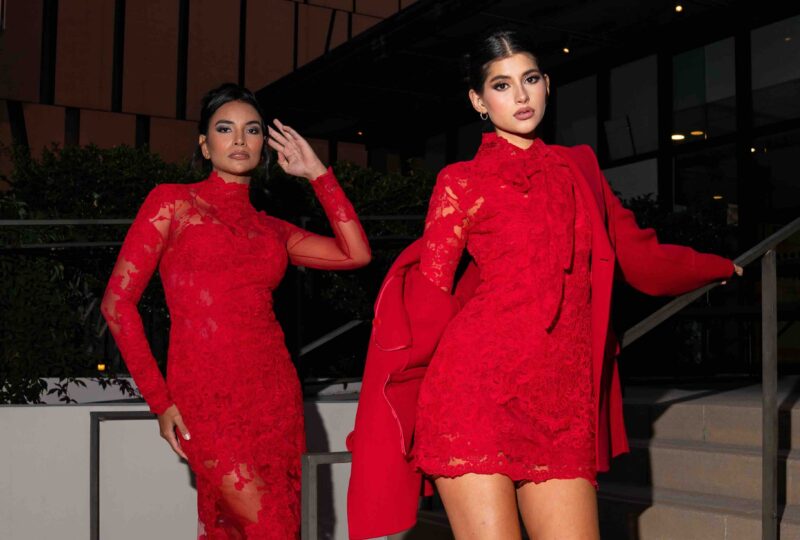
The line-up reflected that cosmopolitan reach. Ermanno Scervino brought to California the lesson of Florence, where the house has built its name on lace, refined knitwear and a sculptural approach to tailoring. Anahit Fashiondrug offered a bolder and more personal register, while The Swan House Beverly Hills by Tony Ferreira lent the evening a distinctly local voice. Between heritage and new names, the programme kept faith with a principle the organisers have defended since the beginning: honouring established savoir-faire while leaving room for the next generation of designers.
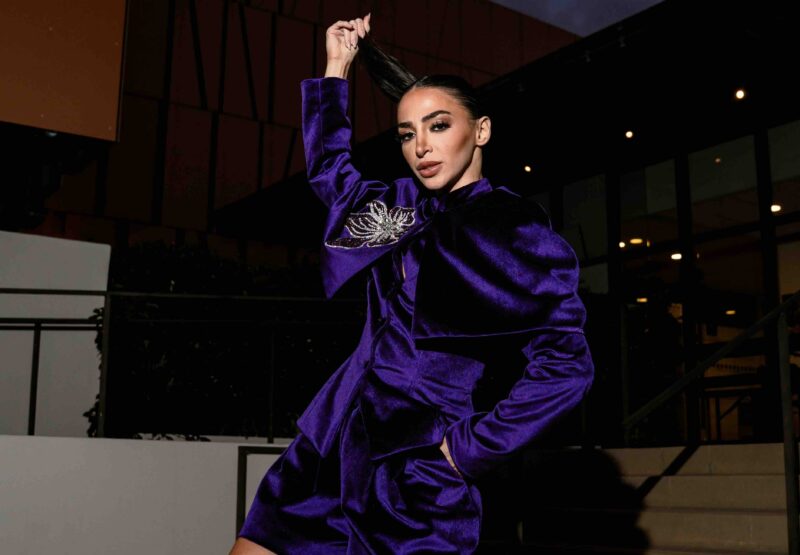
Much of the event’s character can be traced back to the woman who leads it. A Texan by birth, Tammy Barr came to fashion through advertising, marketing, film, television and entrepreneurship, and founded GoldBarr®, a lifestyle brand devoted to timeless elegance. A member of the Beverly Hills Chamber of Commerce and of SAG-AFTRA, she has a recognised talent for building communities across disciplines. It shows in the very grammar of the event, where couture, cinema, wellbeing and civic life share the same stage.

Three editions in, a question naturally arises: can the capital of cinema also become a capital of fashion? Beverly Hills does not seem interested in imitating Paris or Milan. Its strength lies elsewhere, in the art of staging and the culture of the entrance, in that very Californian ability to turn an evening into an event. “The Art of Arrival” told the story of models stepping into the light.
Enjoy even more @ beverlyhillsfashionweek.com
Article edited by Claudia Chiari