
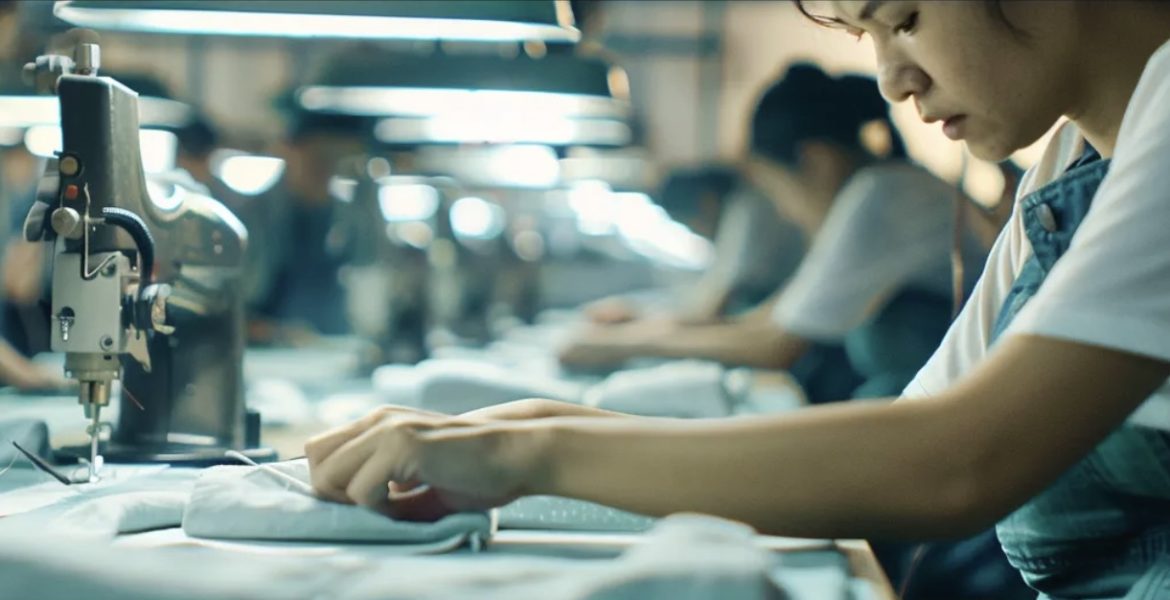
In an era where fashion brands proliferate with dizzying rapidity, standing out from the competition is paramount. A refined production process can make all the difference, offering a unique value proposition to conscientious consumers. Enter the specialized services of cut and sew companies, enterprises that form the backbone of quality garment creation. By understanding the integral role these partners play, brands can carve a niche for themselves in a saturated market.
The Role of a Cut and Sew Company in Elevating Your Clothing Line
At the heart of a successful clothing line lies exceptional product quality, which is where cut and sew companies shine. These firms offer highly specialized services that differ from mass-produced clothing manufacturers. They work closely with brands to bring intricate designs to life, ensuring each piece is constructed with precision and care. This attention to detail is what sets high-quality lines apart and builds a loyal customer base. Beyond construction, these companies provide valuable guidance on fabric selection, ensuring the materials reflect the brand’s ethos and appeal to their target demographics. They also offer scalable solutions, which allow businesses to grow organically without sacrificing the craftsmanship that attracted their initial clientele. This scalability is particularly beneficial for new brands that are cautious about overextending their resources too quickly.
One of the most significant benefits of partnering with a cut and sew company is the opportunity for customization and branding. This ranges from tailoring the fit to adding bespoke details that enhance the overall aesthetic of a clothing line. Customization fosters a sense of exclusivity, which can be leveraged for brand positioning and can even command a premium price in the market. Moreover, a strong relationship with a reliable cut and sew partner streamlines the manufacturing process, allowing brand owners to focus on other aspects of their business. From marketing strategies to customer service, brands can allocate more time to areas that further their growth while knowing that product development is in expert hands.

Navigating the Collaboration Process for Optimal Results
Success in any partnership hinges largely on clear expectations and open communication. When beginning a collaboration with a cut and sew company, it is crucial for brands to outline their goals and vision comprehensively. Detailed technical packs, mood boards, and design files can aid in achieving a mutual understanding of the end goal, ensuring both parties are on the same page. It’s also vital to establish timelines and agree upon key milestones throughout the production process. This includes deadlines for prototypes, revisions, and final delivery. Having a timeline in place helps monitor progress and anticipate potential delays, keeping the project on track and avoiding costly setbacks.
As the project unfolds, regular check-ins can help identify any issues early on, allowing for prompt adjustments. The ability to pivot and adapt to challenges is a key strength of successful collaborations. Hence, selecting a cut and sew partner that is not only skilled but also proactive in problem-solving can make a significant difference. Finally, it is important to understand and respect each other’s expertise and limitations. A spirit of partnership should prevail, where feedback is welcomed and compromises are made when necessary.
Balancing Quality and Cost-Effectiveness in Garment Production
The pursuit of excellence in clothing production must also be tempered by budgetary realities. By engaging in a transparent conversation about costs from the outset, brands can work with cut and sew partners to delineate a budget that does not compromise the integrity of the clothing line. Efficiency is key to keeping costs down while maintaining high quality. An experienced cut and sew partner will offer insights into production techniques that can streamline manufacturing without sacrificing the garment’s durability or aesthetic. It is these optimized processes that can lead to significant cost savings for the brand in the long run. Furthermore, brands should consider the long-term value of investing in quality production. Upfront costs may be higher, but superior products often mean fewer returns, better brand reputation, and more repeat customers. Any initial investment in a cut and sew company can pay dividends down the line and contribute to a brand’s sustained success.
Another aspect to consider is the volume of production. A reliable cut and sew partner can help brands produce in quantities that meet demand without creating excessive inventory, which ties up capital and risks going unsold. Overall, the partnership with a cut and sew company holds the potential to elevate a clothing brand from a mere concept to an acclaimed label. By focusing on quality, clear communication, ethical practices, and striking the right balance between cost and craftsmanship, brands can ensure their growth and success.
Article edited by Alexander Elisab