
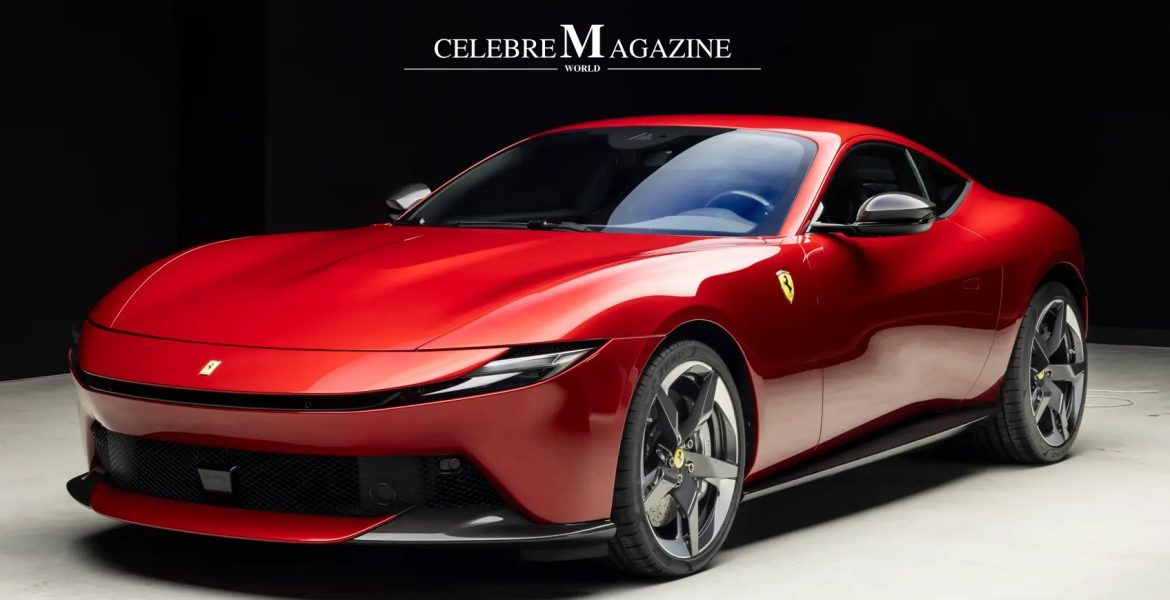
The marque from Maranello has long married performance with elegance, engineering with artistry. With the unveiling of its latest creation, the Ferrari Amalfi, a new chapter is written, one that gracefully extends the brand’s legacy while suggesting a quiet, confident evolution in spirit.
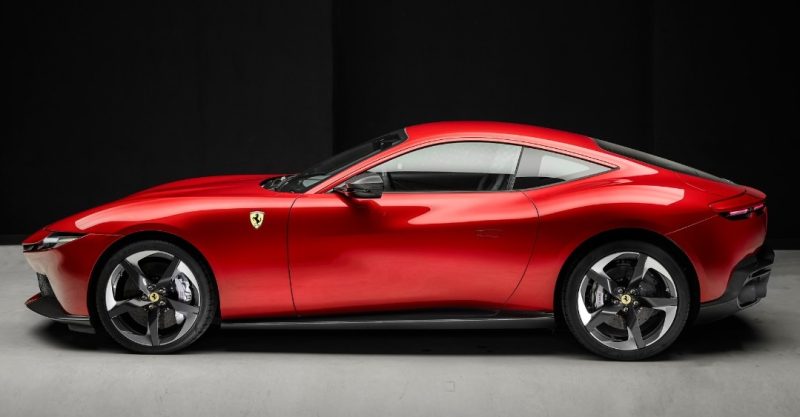
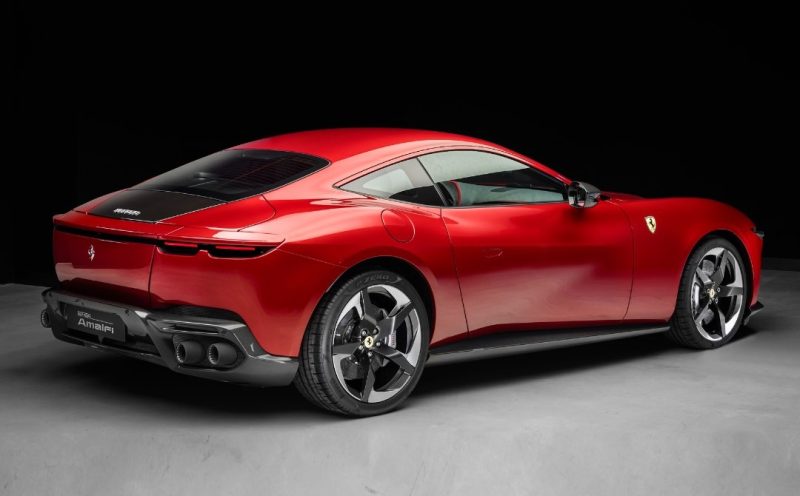
The Amalfi, named after the storied coastal stretch that curls along Italy’s southern cliffs, represents the model in Ferrari’s pantheon. It is a car that appears to have been sculpted for the soul of the road itself. Every line, every surface reflects the essence of Mediterranean sophistication: windswept, sunlit, and irrepressibly Italian. Unlike its more thunderous siblings, the Amalfi does not shout. It speaks. With a voice that resonates somewhere between opera and ocean breeze, this grand tourer is designed for the journey. It is a Ferrari for the connoisseur, the traveller, the aesthete. Yet, as ever with the Prancing Horse, performance remains a non-negotiable virtue.
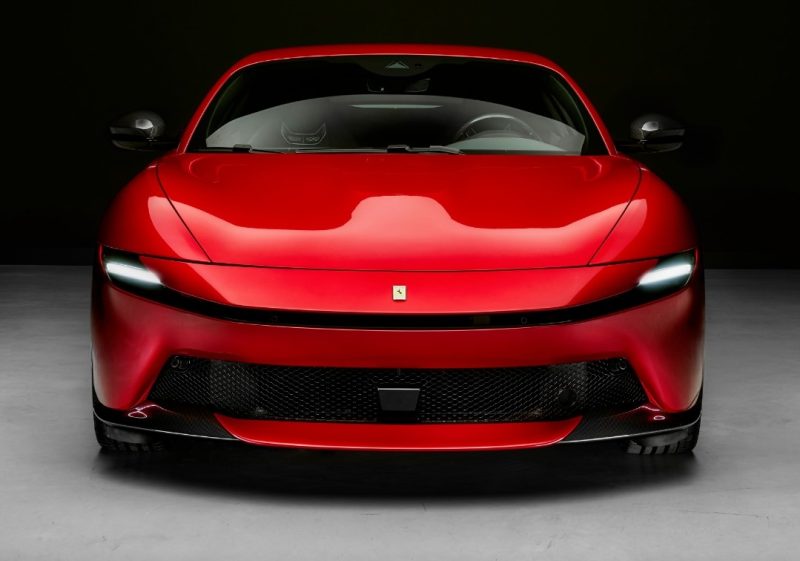
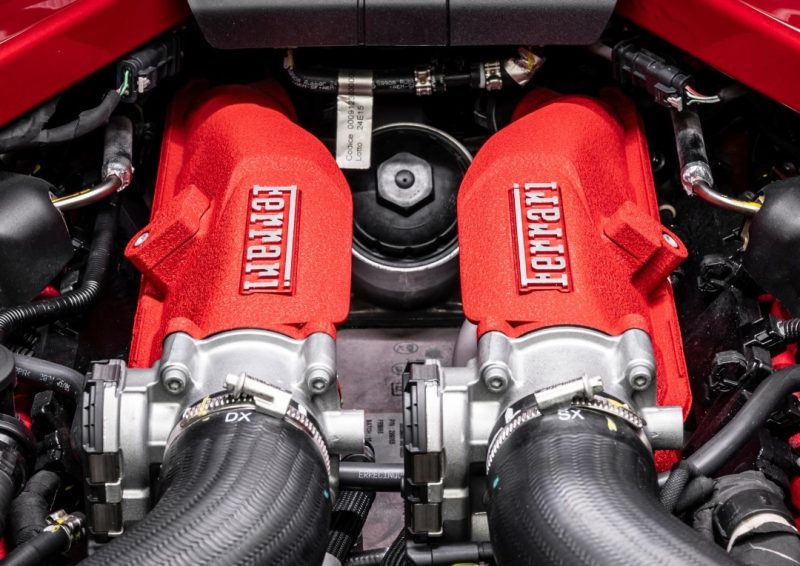
Beneath its exquisitely contoured bonnet lies a newly developed hybrid V8 engine, an evolution that honours Ferrari’s increasing commitment to sustainable engineering. This powertrain marries electric precision with traditional combustion warmth, delivering an astonishing 780 horsepower with effortless poise. Acceleration is both immediate and velvety, with a 0 to 100 km/h sprint in just under three seconds. But numbers tell only half the story. The Amalfi has been tuned to offer not just speed, but sensation, subtle steering feedback, a deeply satisfying throttle response, and a chassis that dances through curves with balletic grace.
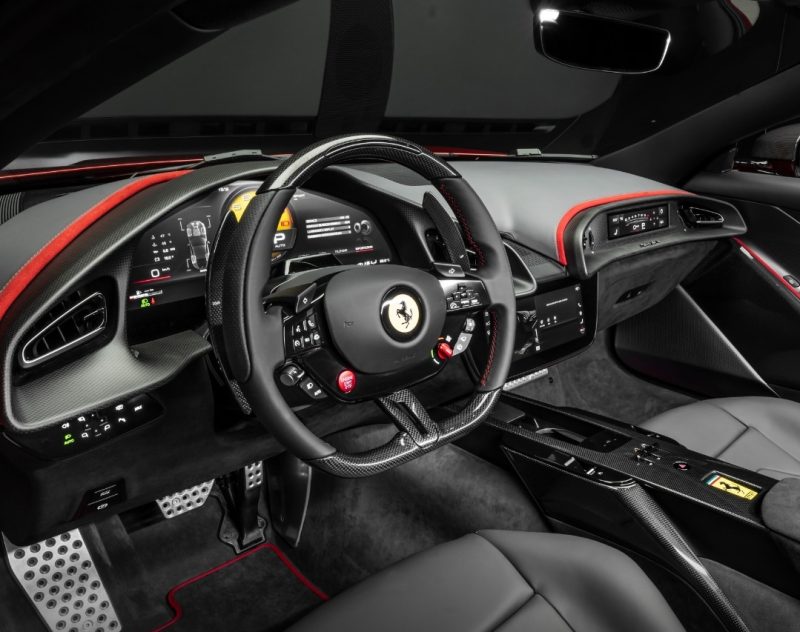
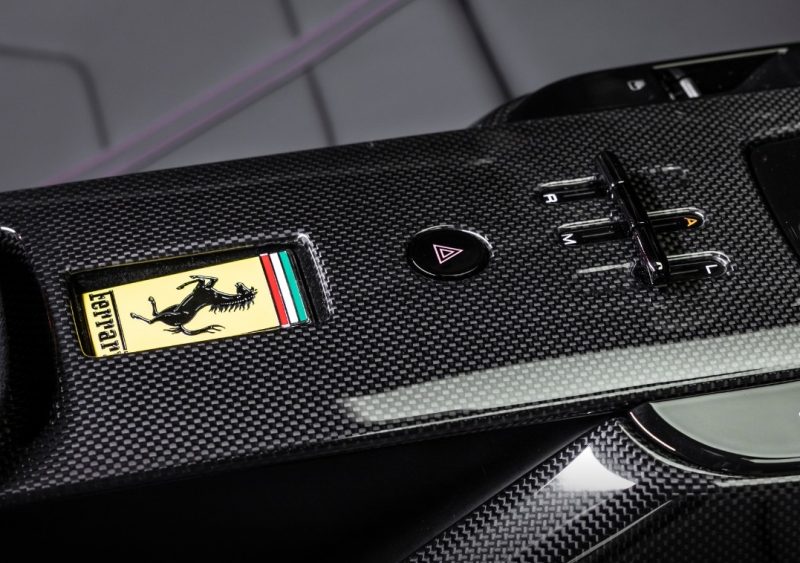
Design, as ever, is at the heart of the Ferrari ethos, and the Amalfi is a masterclass in restraint and refinement. Aerodynamics have been sculpted with invisible precision: active intakes, a retractable rear spoiler, and underbody diffusers work in harmony to create downforce without disturbing the car’s aesthetic serenity. Step inside, and the interior reveals itself. There is no superfluous ostentation, no digital cacophony. Instead, one finds leather of a grain so fine it borders on tactile poetry, brushed aluminium accents that shimmer softly in natural light, and a panoramic roof that invites the sky into every drive. The instrument panel is elegantly minimal, merging analogue tactility with discreet digital support. It is a cabin conceived for long drives along sun-drenched coastlines, the sea in your peripheral vision, Puccini on the sound system.
Ferrari has also introduced a subtle but significant innovation in the Amalfi: the “Luce Mode.” This driving setting modulates performance in accordance with the environment, encouraging a more reflective, measured style of motoring. In an age that glorifies speed, this mode offers something increasingly rare: permission to slow down and savour.
The Ferrari Amalfi will be available in a limited series, with each example hand-assembled in Maranello and featuring a degree of personalisation that borders on bespoke. Clients may choose from a refined palette inspired by the coastlines of southern Italy: shades of pearl, stone, and sunlit terracotta. The result is less a car, more an objet d’art, albeit one that happens to move like a whispered storm. Ferrari Amalfi evokes the quiet glamour of an Italian evening, the elegance of vintage cinema, and the art of the journey itself. It may not be the loudest Ferrari, nor the fastest, but it might just be the most poetic.
With the Amalfi, Ferrari reminds the world that true luxury lies not in excess, but in distinction. And in doing so, it has created something genuinely rare: a car that chases and captures time.
Article edited by Mark Sommers