
A clean home is easier to live in, breathe in, and keep organised. This guide breaks every space into simple steps so you can move room by room without getting stuck. You will learn smart routines, quick habits, and a few tricks that save time. Use these tips to set a schedule you can actually follow, and adjust it to fit your home.
Set up your cleaning game plan
Start with a simple map of your home and group tasks by how often they need doing. Daily jobs keep the mess from piling up, while weekly jobs reset the space. Monthly and seasonal tasks tackle the deep stuff that hides in corners. Build a supply caddy so you are not hunting for tools in the middle of a job. Keep microfiber cloths, a scrub brush, an all-purpose cleaner, a glass cleaner, a disinfectant, gloves, and trash bags together. Add a timer to stay focused and avoid burnout. Work top to bottom in each room so dust and crumbs fall to surfaces you have not cleaned yet. Finish with floors to pick up everything that settled. Put on music, set a 20-minute timer, and see how much you can get done before it rings.
- Microfiber cloths
- All-purpose cleaner
- Scrub brush and grout brush
- Glass cleaner
- Disinfectant and gloves
Bathroom deep clean basics
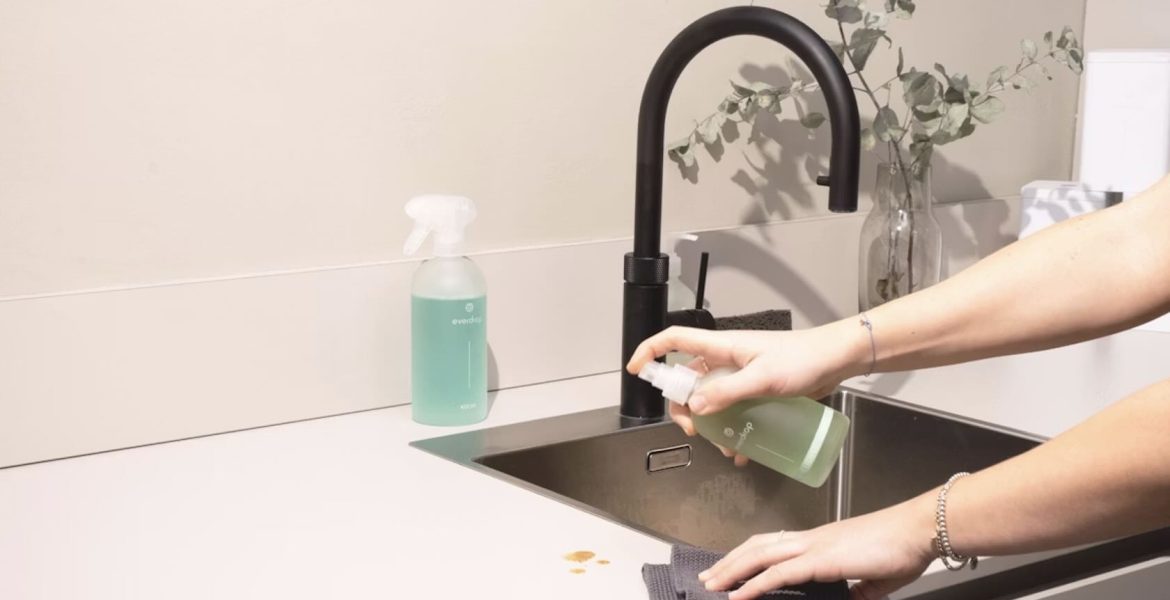
Bathrooms attract moisture, soap film, and germs, so a steady routine pays off. Start with ventilation and a dry towel to remove surface moisture. Then move to the sink, toilet, tub, and floor in that order to avoid cross-contamination. Focus on easy wins before the heavy scrubbing. For a step-by-step on how to clean your bathroom, start by clearing counters and emptying the trash, then spray surfaces so cleaners can sit. While the product works, wipe mirrors and fixtures, then return to scrub and rinse. Use a dedicated brush for the toilet and a separate sponge for the tub. Rinse soft cloths often so you are not spreading residue. Keep a small squeegee in the shower and pull it down the walls after each use to slow buildup.
Kitchen surfaces and appliances
The kitchen sees constant action, so it is cleaned from the least to the most greasy areas. Start with cabinet faces and counters, then move to the cooktop and sink. End with the trash can and floor so you finish with a fresh, open space. Treat appliances like small zones. Wipe the microwave inside and out, including the handle. For the refrigerator, remove old food, then wipe shelves and bins with warm, soapy water before putting items back. Grease needs time for cleaners to work. Spray the stovetop and range hood, let it sit for a few minutes, then scrub and rinse. If your sink has a disposal, run ice cubes and a slice of lemon to freshen it after you finish.
Living room dust and upholstery
The living room collects dust from fabrics, foot traffic, and open windows. Start high with ceiling fans and shelves, then move to media consoles and tables. Always finish with soft surfaces and floors. Vacuum upholstery using the brush attachment and short, overlapping passes. Lift cushions and get into seams where crumbs hide. If a cushion has a cover, check the care tag before washing. Treat spots right away so they do not set. Blot spills with a clean cloth, then use a fabric-safe cleaner as directed. Rotate pillows and throw blankets to even out wear and keep the space looking fresh.
Bedroom refresh and bedding care
Bedrooms feel cleaner when the bed is made, and surfaces are clear. Strip sheets and pillowcases weekly, and wash duvet covers as needed. While bedding washes, dust nightstands and dressers. Lift items off surfaces when you dust so you do not work around clutter. Use long strokes with a damp microfiber cloth to capture fine particles. Wipe lamp bases and touch points as drawer pulls. Rotate the mattress by season if the maker allows it. Vacuum the mattress surface to remove dust and dander. Store off-season clothing in sealed bins to cut down on dust and make daily tidying faster.
Hard surfaces and carpets
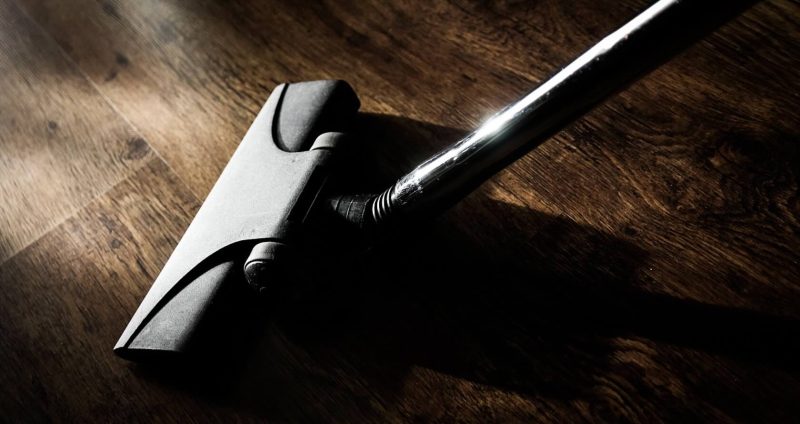
Floors should be the final step in each room. Dry clean first with a broom or vacuum, then wet clean with a mop or carpet machine when needed. This two-step method prevents grit from scratching hard floors. Use the right tool for the job. A soft pad works for sealed hardwood and laminate. Tiles need a mop that can reach grout lines. Carpets need a slow vacuum pass to pull out grit from the base of the fibres. Treat stains quickly to avoid permanent marks. Blot liquid spills on the carpet, then use a carpet spot cleaner as directed. For hard floors, remove the spill, then wipe with a damp cloth and a small amount of cleaner.
- Quick sweep or vacuum
- Spot clean spills
- Mop or carpet clean
- Let the floors dry fully
Windows, mirrors, and glass
Clear glass makes rooms feel brighter. Work on a cloudy day if you can, since the sun can cause streaks. Use a clean microfiber cloth or a lint-free towel for best results. Start with dusting the frames and sills so you do not drag dirt across the glass. Spray cleaner on the cloth, not the glass, to control drips. Wipe in overlapping strokes and finish with a dry corner of the cloth. For mirrors, clean the edges and corners first, where grime hides. Buff with light pressure until the surface squeaks. If you see streaks, flip to a dry side and pass once more.
Cleaning Vs disinfecting
Cleaning removes dirt and many germs from surfaces, which is enough for most homes most days. Disinfecting kills more germs, but it is not always required. Focus on routine cleaning first to keep things manageable. Save disinfecting for high-touch points after illness or when a surface is visibly soiled. Handles, faucet levers, and light switches are common spots. Follow the product label for how long the surface must stay wet. Public health guidance from the CDC notes that sanitising or disinfecting is usually not needed unless someone in the home is sick. This approach saves time and helps you use fewer harsh products while still keeping the house healthy.
Air quality, humidity, and ventilation
Clean air helps every room stay cleaner longer. Moisture and dust travel through the whole home, so small changes make a big difference. Use exhaust fans when you cook and shower to move humid air out. Run a dehumidifier if a space feels damp, and clean filters on fans and HVAC returns as directed. Open windows when the weather allows to flush out stale air. Put entry mats at doors to trap dirt before it spreads. An EPA indoor air guide suggests keeping indoor humidity between 30 and 50 per cent to curb mould and dust mites. A small hygrometer can help you track levels. Adjust ventilation and dehumidifiers until you find the sweet spot.
No matter the size of your home, routines turn big jobs into small ones. Start with a plan, gather your tools, and move in a clear order. A little effort each day keeps deep cleans shorter and easier. Use this guide as a living routine that changes with your seasons and schedule. Tweak steps, swap tools, and keep what works. The reward is a home that looks good, smells fresh, and feels calm.
Article edited by Karl Webber