
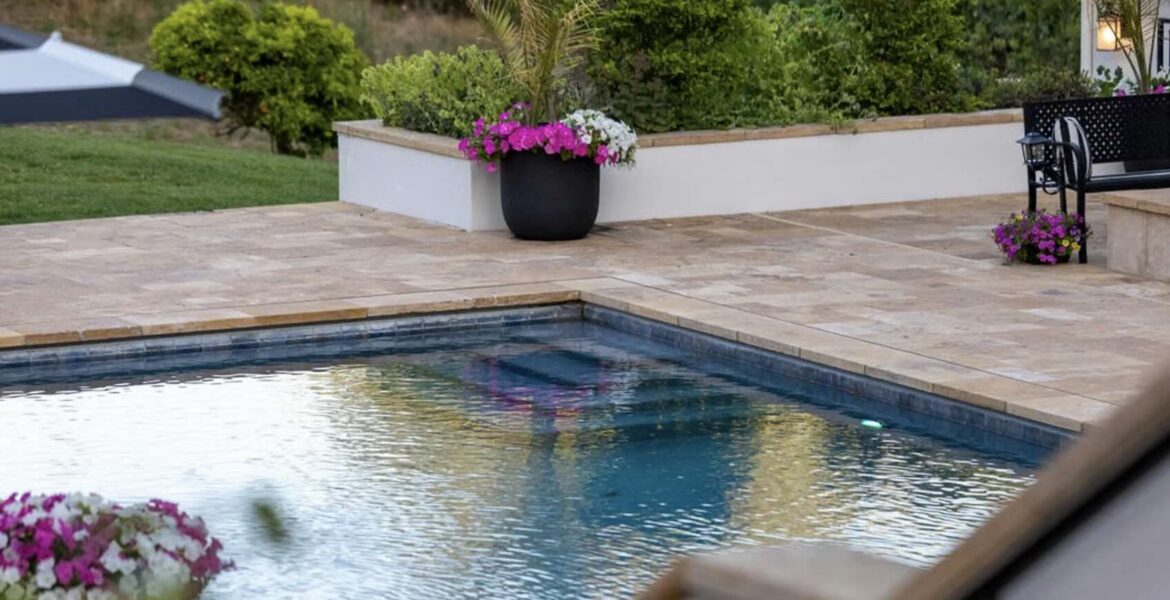
Unlike plain poured concrete that cracks over time, interlocking pavers bring rich texture and lasting strength to backyard patios. Explore fresh layout ideas.
You deserve a backyard gathering space that feels welcoming and built for real life. Plain poured concrete slabs often look sterile on day one, and harsh seasonal weather soon leaves them scarred with jagged cracks and stains. Choosing architectural pavers and natural stone transforms your outdoor space. Modern hardscapes pair customizable stonework with built-in fire features and seating, giving you a ground-level retreat designed for decades of reliable comfort.
Why do interlocking pavers outlast poured concrete slabs?
Rigid concrete slabs fight against natural soil movement every winter. When moisture seeps beneath a slab and freezes, expanding ground pushes upward until the surface splits. Individual pavers solve this problem through smart engineering. According to The Family Handyman, interlocking units handle freeze-thaw cycles better than poured concrete because each stone shifts slightly without snapping. Your patio flexes with the earth, keeping the surface smooth. Replacing a damaged stone takes minutes instead of a jackhammer. You lift out a stained unit and drop in a matching piece with zero patching.
How can patterns and natural stone elevate your design?
Architectural pavers come in warm tones and weathered textures that mimic quarried stone. You can blend charcoal borders with limestone hues to frame your seating area like an outdoor rug. Natural flagstone adds organic beauty when you want irregular shapes and mineral color blends. Each slab carries unique grain patterns that soften straight architectural lines. Your laying pattern shapes visual flow and structural grip. A 45-degree herringbone layout locks stones against shifting, while a running-bond pattern makes compact yards feel wider.
What makes custom hardscape planning worth the investment?
Great patios start before the first stone touches the ground. Working with experienced patio builders in Fishers and Westfield helps you match stone textures, elevation changes, and traffic flow to your property. Smart planning stops rainwater from pooling near your foundation and turns slopes into usable zones. Designers map sightlines from your kitchen windows and back doors before digging begins. Thoughtful spacing leaves room for dining chairs to slide back without catching on edges. Skilled installation protects your budget from settling or drainage trouble. You gain a cohesive floor plan where walkways, steps, and seating connect cleanly.
Should you choose a gas or wood-burning fire pit?
A built-in fire pit turns an open patio into a gathering spot after sunset. Warm flames invite guests to linger outside into crisp autumn evenings. Natural gas and propane burners deliver instant warmth with a switch. You get clean, smoke-free flames within seconds, and you never haul logs or sweep ash. Wood-burning masonry fire pits appeal to homeowners who love crackling embers and campfire aroma. Lining the interior with firebrick shields outer stone blocks from heat.
Built-in seat walls and grill islands for effortless hosting
Permanent stone seat walls end the hassle of dragging folding chairs across your yard. Standing 18 to 20 inches high, low masonry walls frame your fire pit while offering sturdy seating. Wide capstones along the top create a handy ledge for drinks and plates. On sloped yards, those walls double as retaining borders that keep planting beds neat. Compact grill islands bring outdoor cooking into the conversation. Wrapping your stainless-steel grill in stone veneer with a prep counter keeps you connected with friends while dinner cooks.
Keep weeds out with polymeric sand joints
Ordinary sand between pavers invites weeds, ants, and washouts during heavy rain. Polymeric sand blends fine quartz with binders that harden into a flexible seal once misted with water. Follow these simple habits to keep your stone joints tight:
- Sweep debris away regularly: Brushing off leaves stops organic buildup from collecting in joints.
- Rinse spills right away: Washing off grease or drinks keeps stains from setting into stone.
- Inspect joint lines annually: Topping up thin spots with polymeric sand blocks moisture and weeds.
- Use plastic snow shovels: Avoiding metal blades protects textured stone faces from scratches.
Paired with a solid gravel base, locked joints create a low-maintenance outdoor room. You spend weekends relaxing by the fire instead of pulling weeds.
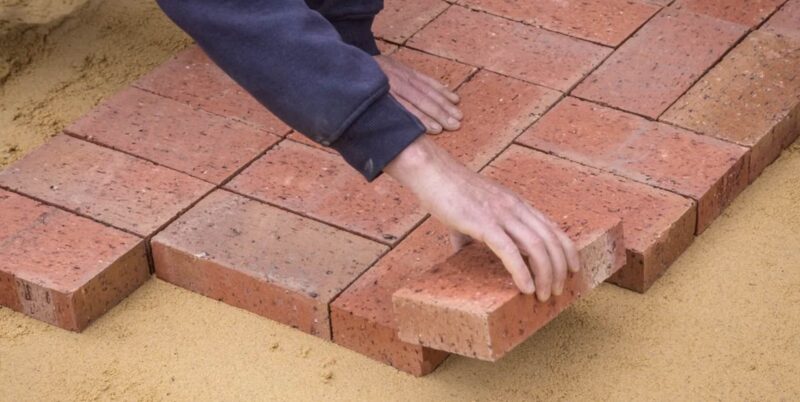
Well-engineered paver patios combine timeless stonework beauty with decades of low-maintenance outdoor enjoyment. Pairing flexible interlocking stones with a compacted gravel base and built-in fire features gives you a backyard centerpiece ready for tough weather. Step outside knowing your patio will look just as inviting 15 years from now as it does today. Good hardscape design turns an ordinary yard into your favorite place to unwind and host friends.
Article edited by Mark Webber