
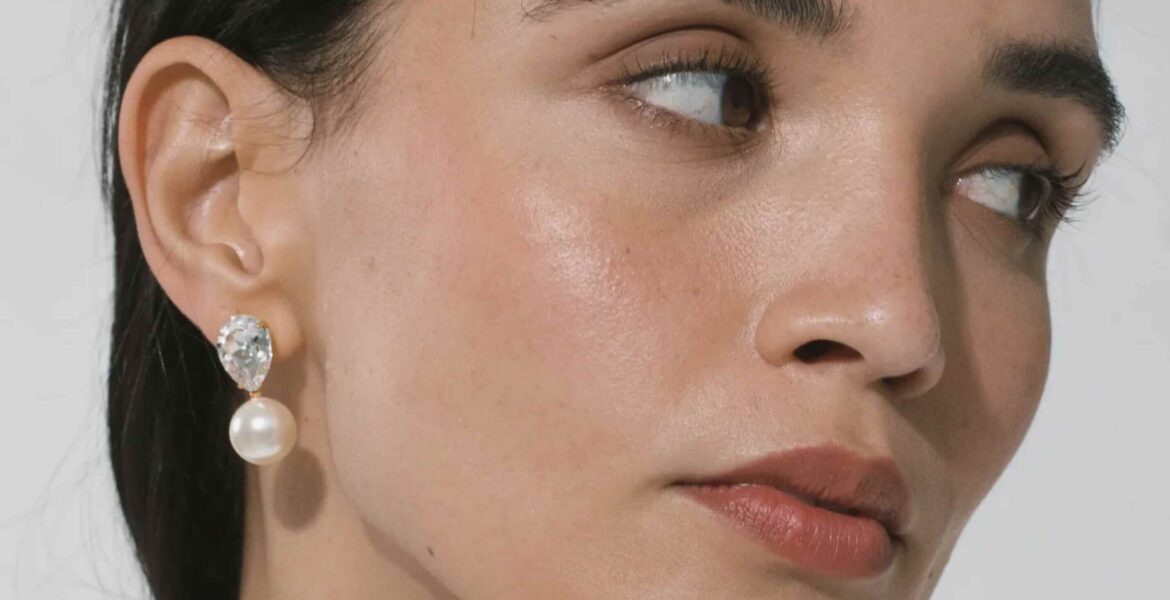
Why accessory planning matters – Wedding accessories do more than catch the light, they shape how balanced, comfortable, and pulled-together an outfit feels across a long, eventful day. The right accessories should complement the outfit, not overwhelm it. Anyone browsing options like bridal earrings should look past appearance alone and weigh neckline, hairstyle, metal sensitivity, comfort, and how each piece will actually show up in photos. This guide covers how to assess the outfit, coordinate materials and proportions, prioritize wearability, and plan ahead for proper care.
Start with the dress and overall silhouette – Before settling on any accessory, pin down the dress’s most visually important featured, neckline, fabric texture, embellishments, sleeve length, and any dramatic elements like a train. Accessory scale should echo the outfit’s visual weight: a heavily beaded, ornate dress typically looks better with simpler accents, while a streamlined, minimal gown can handle something bolder. The aim is visual harmony, not matching every single detail. Necklines determine how much space is really available for a necklace, earrings, or hair accessories. A high or richly detailed neckline often doesn’t need a necklace at all, since the two can end up competing for attention. Rather than evaluating each piece in isolation, look at the full outfit together, ideally in a mirror or photograph. An updo, loose waves, a veil, or a short cut will each change how visible and proportionate earrings and hair accessories look. A delicate piece that reads beautifully against swept-back hair might vanish entirely under a veil. Trying accessories with the actual intended hairstyle ahead of time helps avoid last-minute surprises.
Build a cohesive metal and color palette – Metal tones can tie together dress details, shoes, hair accessories, and wedding-party attire. Warm metals tend to flatter ivory or cream fabrics, while cool metals generally suit bright white or cooler palettes. Mixing metals can work, but only when it’s done deliberately and sparingly. Personal coloring and preference matter more than any strict rule, though keeping finishes consistent (polished, brushed, antique, or satin) gives the whole look a sense of intention.
Style check: Identify the dominant metal, finish, and accent color already present in your outfit before shopping for anything new.
Choose accessories for proportion and photography – Accessories deserve a close look as well as a glance from typical photography distance. Lighting, flash, and movement can all change how reflective surfaces and stones behave. Test pieces in natural daylight, indoor lighting, while seated, and in full-length photos. Small details can vanish in images, while oversized or highly reflective pieces risk pulling focus where it isn’t wanted. A balanced look usually has one clear focal point, face, neckline, hairstyle, or bouquet, rather than several areas competing for attention.
Prioritize comfort, fit, and skin compatibility – Wedding accessories are often worn for many hours straight, so comfort isn’t a minor afterthought, it’s a practical necessity. Think about earring weight and how secure the backs are, snagging risks around lace or veils, pressure points, compatibility with the hairstyle, and how everything holds up through dancing and photos. Nickel and cobalt are common culprits behind jewelry-related allergic contact dermatitis, which frequently shows up on earlobes and other areas of direct contact [4]. It’s worth checking materials well ahead of time, and anyone with a history of reactions may want to consult a dermatologist about patch testing [4]. “Hypoallergenic” labeling isn’t a guarantee across the board, so reviewing the actual material composition, where possible, is a reasonable extra step.
Test comfort and skin compatibility before the event, not on the event day.
| Factor | What to Check | Why It Matters
|
| Weight | Earring backs, clasp tension | Prevents discomfort or loss during long wear |
| Material | Metal composition, plating | Reduces risk of skin irritation |
| Fit with hair | Veil, updo, loose styles | Avoids snagging or visual clash |
| Lighting | Daylight, indoor, flash | Ensures pieces photograph as intended |
Use a practical selection process – A short, focused checklist keeps decisions from spiraling: photograph the dress and accessories together, confirm the hairstyle and veil you’ll actually wear, test each item over an extended trial, check closures and fastenings, confirm material compatibility, and review the full look under different lighting conditions. Sticking to a small circle of trusted opinions helps sidestep conflicting feedback, and writing down the final choices makes it much easier to track down replacements or emergency items later if needed. Consider a realistic scenario: a pair of statement earrings looks striking in the store, then turns out to snag on a veil during a trial run. Or a necklace that seemed elegant on its own ends up crowding a heavily beaded neckline once the photos come back. Swapping in something simpler often resolves both the comfort problem and the visual clash at once.
Plan for care, storage, and event-day handling – Cosmetics, perfume, hairspray, and perspiration can all affect certain jewelry materials, so it’s worth applying hair and beauty products before putting accessories on, not after. Storing each piece separately in a soft pouch or lined container also cuts down on scratches and tangling Cleaning methods vary considerably depending on material and gemstone type. The Gemological Institute of America advises caution with ultrasonic cleaners around pearls, treated stones, and gems with certain fractures or fillings [1]. Gentle cleaning with the right materials, rather than reaching for abrasive household products, is generally the safer route. Assigning one person to look after the accessories during transport and after the ceremony can also prevent pieces from going missing.
Common mistakes to avoid – Some missteps come up again and again: choosing accessories before considering the dress silhouette, matching every item so precisely that the look goes flat, ignoring weight or skin sensitivity, testing pieces only under store lighting, leaving cleaning and storage until the last minute, and assuming a trend or label guarantees comfort.
Key takeaway: The most successful accessory choices balance appearance, proportion, comfort, and material safety.
Create a look that feels considered and wearable – A well-planned accessory selection starts with the outfit’s silhouette, coordinates proportion, color, and finish, tests comfort and skin compatibility, reviews the complete look under realistic lighting, and accounts for proper storage and care. Polished styling doesn’t call for excessive matching or costly materials, just a bit of thoughtful preparation. Putting together a short accessory plan and testing it well before the event makes it possible to stay comfortable, cohesive, and fully present throughout the entire celebration.
Article edited by Alexander Elisab