
For many Filipinos, a Perya is remembered as much for its atmosphere as for its games. Think of a local fiesta after sunset: bright lights, music coming from different booths, food stalls nearby, people moving through the crowd, and colorful games attracting attention. Color Game, bingo-style activities, shooting booths, and other attractions could turn an ordinary vacant lot into a temporary gathering place. That cultural memory helps explain why digital versions of perya games can feel familiar even when they are experienced on a phone. GameZone currently describes G Perya as a digital take on familiar Perya-style games, with titles including Color Game and other arcade-style options.
Quick Answer
Traditional Perya influenced the digital G Perya experience through familiar game concepts, colorful presentation, short rounds, and the sense of anticipation associated with local fairs. Digital versions change the setting from a physical fiesta to an online interface, but recognizable formats such as Color Game can still connect modern players with the memory of traditional Pinoy Perya.
What Is Perya?
For someone searching perya in English, “fair,” “carnival,” or “amusement fair” are useful translations, although none completely captures the Filipino context. Traditional Perya has long been associated with fiestas and temporary community celebrations. A 2014 report in The Freeman described Peryahan as part of fiesta celebrations and identified attractions including shooting galleries, drop games, Color Game, and bingo. Personal accounts also show how strongly Perya can remain in people’s memories. A Philippine Star article recollection describes the Perya as a childhood fixture during fiesta periods, with rides and games becoming part of the author’s memories of growing up. More broadly, the National Museum of the Philippines identifies traditional games, toys, and recreational objects as part of the country’s tangible and intangible cultural heritage. So, Perya is more than a single game. It is a cultural setting in which many kinds of games and shared experiences can take place.
Color Game Shows the Digital Connection
Among traditional perya games, Color Game provides one of the clearest examples of a familiar format appearing in digital form. In a traditional Color Game, players choose a color and colored dice are rolled to determine the result. Contemporary Philippine coverage describes this familiar setup, with players betting on colors before the dice are rolled. GameZone’s current Color Game material similarly describes the digital version as a color-and-three-dice game. The important point is that the concept can remain recognizable while the experience changes. A person who remembers a physical perya color game may immediately understand the basic idea of the digital version. But the physical crowd, banker, table, sounds, and surroundings have been replaced by a screen and digital interface.
What Stayed the Same, and What Changed?
| Traditional Perya | Digital G Perya |
| Physical fair or fiesta setting | Online gaming interface |
| Shared crowd experience | Individual screen experience |
| Physical game equipment | Digital presentation |
| Booth operator or game host | Platform-based interface |
| Local, temporary setting | Available through a digital platform |
| Familiar game concepts | Digitized game formats |
This is why online Perya should not be treated as an exact reproduction of the original.
Why Familiar Games Can Feel More Meaningful
This is where psychology becomes relevant. Research reviews describe nostalgia as a social emotion and report that nostalgic reflection can contribute to feelings of social connectedness. Research on nostalgia and consumer behavior similarly discusses connections between nostalgic feelings, social relationships, and consumption-related responses. That research does not specifically study G Perya or prove that Filipino players will react in one particular way. It does, however, provide a reasonable psychological basis for understanding why familiar cultural experiences can carry emotional meaning. Illustrative player scenario: Jenny remembers watching Color Game during a childhood fiesta. Years later, she encounters a digital Color Game while browsing GameZone online. The colors and dice immediately make sense to her. She still needs to learn the current interface and rules, but she does not have the same “What is this?” reaction as someone encountering the concept for the first time. Familiarity can reduce uncertainty about what the game is. It cannot predict what the result will be.
What Players Should Watch For in Digital Perya
One mistake is assuming that a familiar format requires no explanation. Digital adaptations can introduce different interfaces, features, timing, presentation, or rules. Players should therefore read the specific game’s information instead of relying entirely on what they remember from a physical Perya. Expert tip: Separate cultural familiarity from game knowledge. Recognizing the concept is useful, but the current rules still matter.
Risk Assessment: Familiarity Is Not a Winning Strategy
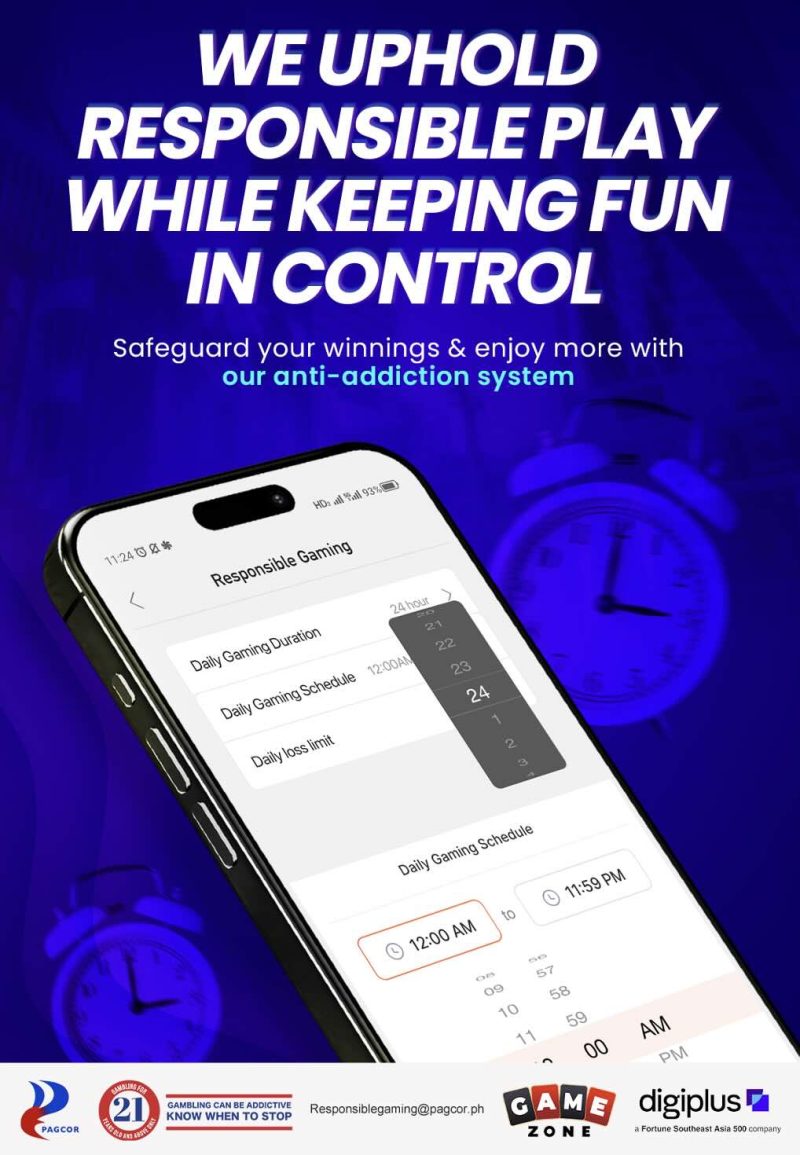
This distinction is particularly important with chance-based games. A player may recognize the colors, remember a previous result, or feel that a particular choice is “lucky.” None of those experiences establishes what the next random result will be. GameZone’s current Color Game material describes the game as chance-based rather than strategy-based. PAGCOR’s responsible-gaming guidance recommends setting time and money limits, expecting losses, and avoiding chasing losses. A practical risk check is:
Do I understand the current rules?
Am I playing because I understand the game, or because it feels familiar?
Have I set a time and spending limit?
Am I trying to recover a previous loss?
Those questions address the part of the experience that players can actually control.
G Perya on GameZone
GameZone’s current G Perya selection includes Color Game, Mines+, Piggy Tap, Chicken Go, Manny Punch, 4x Super Color Game, and Gold Master. GameZone notes that availability can change, so the current platform should be checked before playing. For regulatory context, PAGCOR’s January 29, 2026 registry lists Gamezone under Total Gamezone Xtreme Incorporated (TGXI). The registry identifies gamezone.ph as the main domain and lists gzone.ph among the additional URLs. GameZone’s current terms state that qualified users must be 21 years old and above, alongside its other eligibility restrictions. For the GameZone app, use the official GameZone website and follow its current download instructions after registering or logging in. Current GameZone guidance also advises downloading through official sources and supported app stores rather than unofficial APK websites.
FAQ
What is Perya in English?
Perya is commonly translated as a fair, carnival, or amusement fair, but the Filipino term carries a broader cultural association with fiestas, games, attractions, and community gatherings.
How did traditional Perya influence G Perya?
G Perya brings selected Perya-style concepts into a digital environment. Current GameZone material describes its G Perya selection as a digital take on familiar Perya games and includes Color Game among the available titles.
Is online Perya exactly the same as traditional Perya?
No. Familiar game concepts can remain, but the setting, equipment, interface, presentation, and player environment are different.
Does nostalgia make Color Game easier to win?
No. Research on nostalgia can help explain why familiar experiences may feel emotionally meaningful or socially connected, but nostalgia does not determine a random game outcome.
Is GameZone available to people under 21?
No. GameZone’s current terms restrict the platform to qualified individuals aged 21 and above, subject to its other restrictions.
Traditional Perya created a distinctive Filipino experience through games, color, anticipation, community, and fiesta atmosphere. Digital G Perya does not reproduce every part of that experience. Instead, it carries selected familiar concepts into a new environment where the physical booth becomes an interface and the shared fairground becomes an individual screen. That distinction explains why perya games, perya color game, online Perya, and perya games online can feel both familiar and different. The nostalgia may come from the old setting. The digital experience comes from the new one. For players exploring G Perya, the useful approach is to appreciate the cultural connection while still reading the current rules, checking availability, using official GameZone access channels, and maintaining responsible limits.
Article edited by Mark Webber