
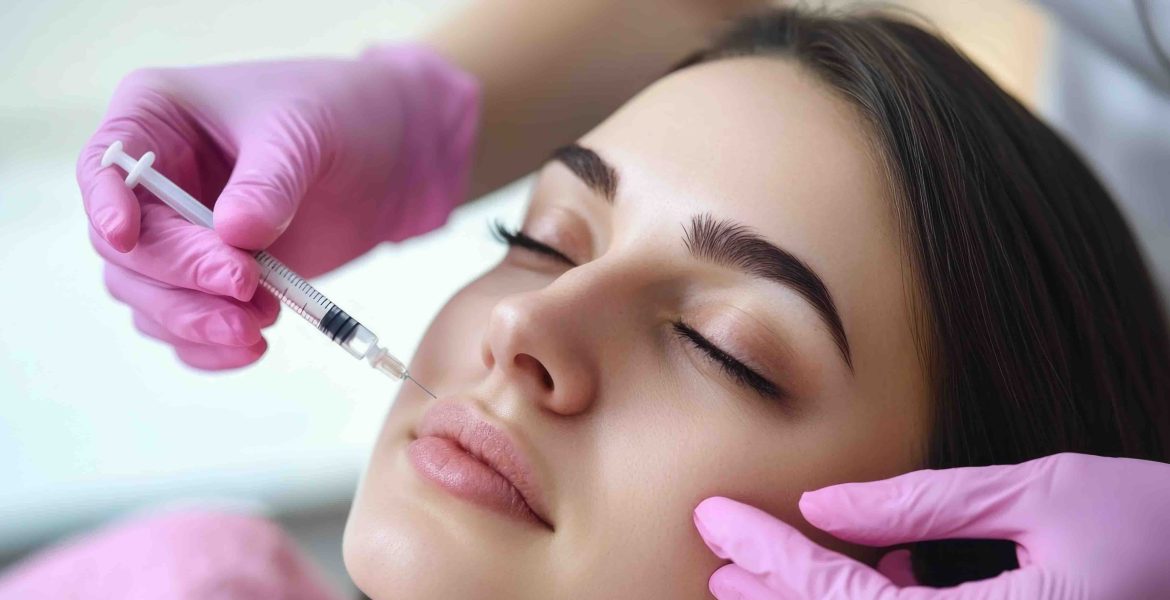
Botulinum toxin is a neurotoxin produced by Clostridium botulinum (from the Greek kloster, meaning ‘twisted’) under anaerobic conditions, that is, in the absence of oxygen, and is responsible for a severe food-borne illness known as botulism. The bacterium produces seven distinct serotypes of the toxin; the most potent, and the first to be applied for clinical purposes, is type A. Initially employed in the treatment of conditions such as blepharospasm, spasmodic torticollis, trapezius muscle contractures, essential tremor, focal dystonias, and chronic migraine, it found its way into aesthetic medicine comparatively recently. Its efficacy in smoothing glabellar lines, commonly known as frown lines, and forehead wrinkles was discovered entirely by chance, an unexpected and remarkable observation made in the course of treating eyelid muscle spasms. It was the Carruthers couple who pioneered the use of botulinum toxin for cosmetic purposes, though the path to formal FDA approval proved a lengthy one.
From those early pioneering days, this drug has become universally recognised, and demand for its aesthetic applications continues to grow, principally for the treatment of facial expression lines, in particular forehead lines, periocular wrinkles known as crow’s feet, and, as noted, glabellar lines. Without venturing into excessively technical detail, several important clarifications merit attention. Botulinum toxin is not a filler; its muscle-relaxing action works by weakening the targeted muscle through partial paralysis of its nerve fibres. The effect is temporary and reversible, lasting a variable period but generally in the range of three to four months, corresponding to the restoration of synaptic function at the neuromuscular junction. The terms ‘toxin’ and ‘paralysis,’ though technically accurate, can understandably cause concern, and the informational discussion between practitioner and patient would benefit from the use of less alarming language, words such as ‘relaxation,’ ‘protein,’ or simply ‘treatment.’
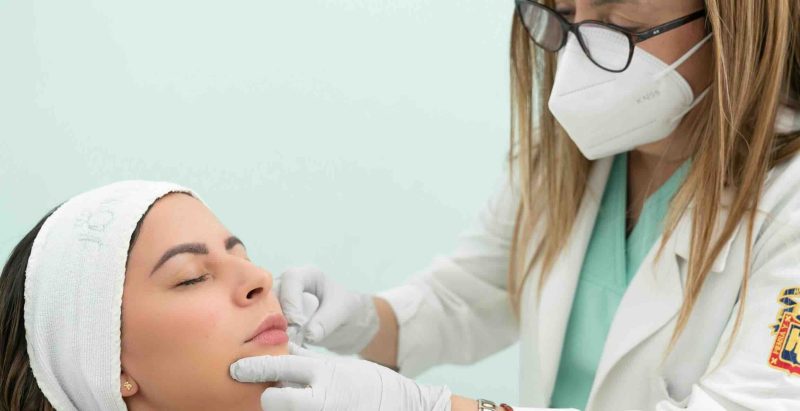
It remains an undeniable fact that botulinum toxin is now known by virtually everyone, specialist and layperson alike. Its cosmetic efficacy is discussed in popular beach-side reading and in television programmes of varying degrees of scientific rigour. Nonetheless, its widespread use has followed a gradual trajectory, underpinned by encouraging results that are far from fully established, such that to this day botulinum toxin remains a leading subject of debate at scientific congresses devoted to aesthetic surgery and medicine. But how does this drug actually work? Its primary mechanism of action consists in inhibiting the release of acetylcholine from motor nerve endings, thereby inducing muscle weakening, or from glandular nerve endings, in cases of excessive perspiration, or hyperhidrosis.
Its use should always be conservative: excessive dosing risks producing an amimetic, unnatural appearance, a result one sees all too frequently. The hallmark of a well-executed treatment is therefore the achievement of the most natural result possible. It is worth emphasising that muscular rest serves as an excellent preventive measure against skin ageing. The onset of action is not immediate; as a general rule, a period of six to seven days is sufficient to assess the results obtained, after which it is advisable to follow the patient until the product’s efficacy has been fully exhausted. The outcomes achieved, when the drug’s efficacy and safety profile have been duly explained, are generally satisfactory. Inevitably, however, there are patients with excessive expectations, particularly those presenting with deeply entrenched wrinkles, for whom adjunctive options may be proposed: dermal filler injections, laser treatments, or an increase in the number of units administered compared with previous sessions, provided that the maximum dosages prescribed by established protocols have not already been reached.
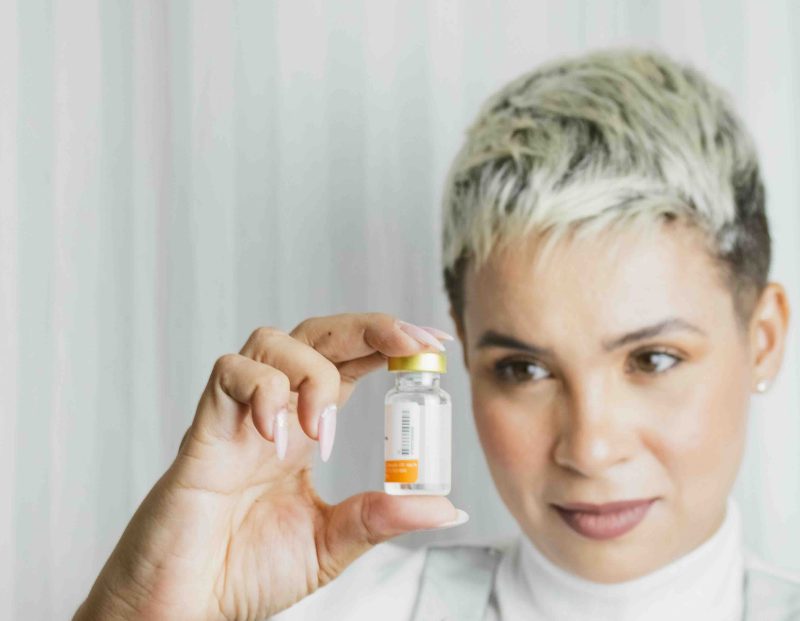
Botulinum toxin is a thermolabile substance, highly sensitive to heat, and must therefore always be stored under refrigerated conditions. Certain formulations, however, may be kept at room temperature, provided this does not exceed 25°C.

Edited by Dr. Edward Richard Battisti – Plastic Surgeon