
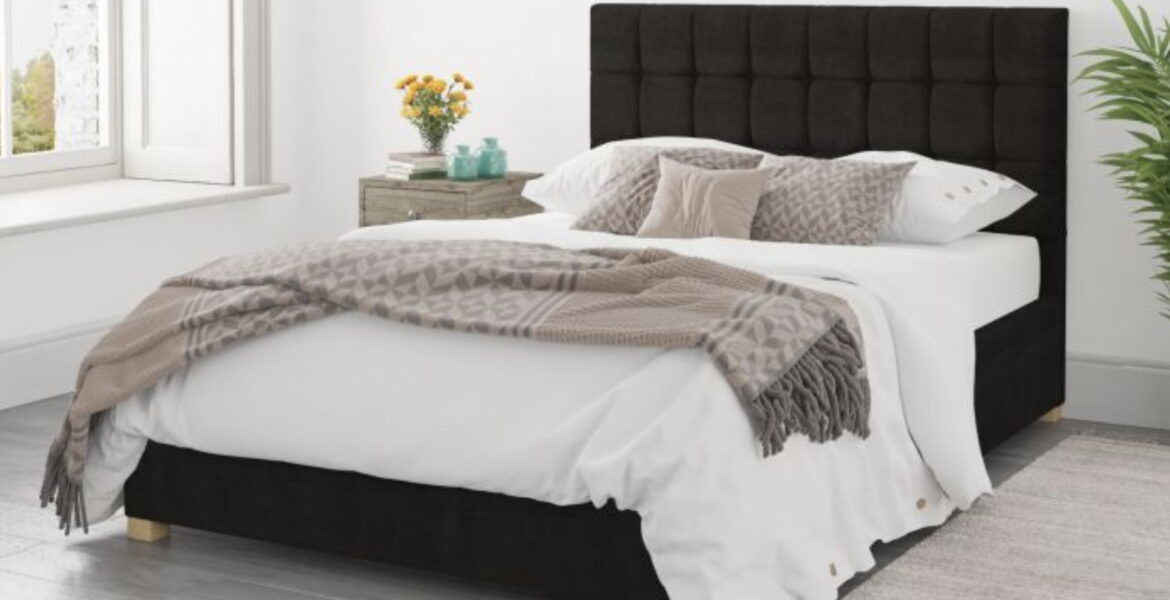
Creating a well-organized bedroom starts with smart furniture placement around the bed. The most effective bedroom layout positions the bed against a solid wall with clear pathways on both sides, allowing for easy movement and creating a natural focal point in the space. A thoughtfully arranged bedroom transforms the space into a peaceful retreat while maximizing every square metre of available space.Strategic furniture placement enhances both form and function in bedrooms of any size. Placing storage pieces like dressers and nightstands within arm’s reach of the bed creates convenient access points, while black ottoman beds by Bed Kingdom offer hidden storage solutions that prevent the room from feeling cramped. The key is maintaining about 75 centimetres of walking space around furniture pieces to ensure comfortable navigation.
Key takeaways
- Position the bed against a solid wall with space on both sides for optimal flow and balance
- Keep frequently used items within arm’s reach by strategic nightstand and dresser placement
- Integrate multi-functional storage furniture to maximize space while maintaining aesthetics
Bedroom layout fundamentals
A well-planned bedroom layout creates a balanced, functional space through strategic furniture placement, efficient use of vertical space, and proper lighting design. The right arrangement enhances both comfort and visual appeal while maximizing available space.
Furniture placement and space planning
The bed serves as the primary focal point and should be positioned against a solid wall, ideally with the headboard visible from the doorway. This placement creates a strong visual anchor while maintaining a clear sightline to the entrance. Leave at least 75 cm of space on each side of the bed for easy access and movement. This spacing allows for comfortable navigation and bedmaking. Position nightstands on both sides of the bed when space permits. These should be proportional to the bed height and provide adequate surface area for essential items. Create clear pathways between furniture pieces to maintain smooth traffic flow. A minimum of 90 cm is recommended for main walkways.
Optimizing wall and vertical space
Mount shelves or floating cabinets above dressers to maximize storage without consuming floor space. These additions create visual interest while providing practical storage solutions. Use tall, narrow dressers in smaller rooms to utilize vertical space efficiently. These pieces offer ample storage while maintaining a smaller footprint. Install mirrors strategically to reflect natural light and create the illusion of more space. Position them opposite windows for maximum light reflection.
Lighting and aesthetics
Layer lighting with a combination of ambient, task, and accent fixtures. Install bedside lamps or wall sconces for focused reading light. Position the bed to take advantage of natural light sources while avoiding direct glare. Use window treatments to control light levels throughout the day. Choose proportionate light fixtures that complement the room’s scale. A medium-sized chandelier or pendant light works well in average-sized bedrooms. Consider wall-mounted swing-arm lamps to free up nightstand space and provide adjustable task lighting.
Furniture selection and arrangement
Strategic furniture selection and placement creates a harmonious bedroom space that balances functionality with style. Smart choices and thoughtful arrangement transform even small bedrooms into organized, welcoming retreats.
Choosing multi-functional furniture
Select pieces that serve multiple purposes to maximize limited space. A storage ottoman can function as seating and hold extra blankets or clothing. Murphy beds and daybeds with trundles provide sleeping space while maintaining floor area during the day. Built-in drawers beneath platform beds eliminate the need for separate dressers. Nesting bedside tables adjust to different space needs and tuck away when not in use. Wall-mounted floating shelves and cabinets keep essentials accessible without cluttering floor space.
Arranging for style and functionality
Position the bed against the longest wall with a sturdy headboard for proper feng shui. Leave 75-90 cm of space on each side for easy access. Create a natural flow by placing the largest pieces first. A small seating area near a window adds function without overwhelming the space. Consider visual weight when arranging furniture. Balance heavy pieces like armoires with lighter elements such as glass-top tables or slim bookcases.
Incorporating personal and design touches
Add character with carefully chosen decorative elements. Small artwork above the headboard creates a focal point without overwhelming the space. Layer textures through bedding, pillows, and window treatments to enhance visual interest. Use mirrors strategically to reflect light and create the illusion of more space. Install adjustable lighting options like wall sconces or pendant lights to save surface space on bedside tables while maintaining function and aesthetic appeal.
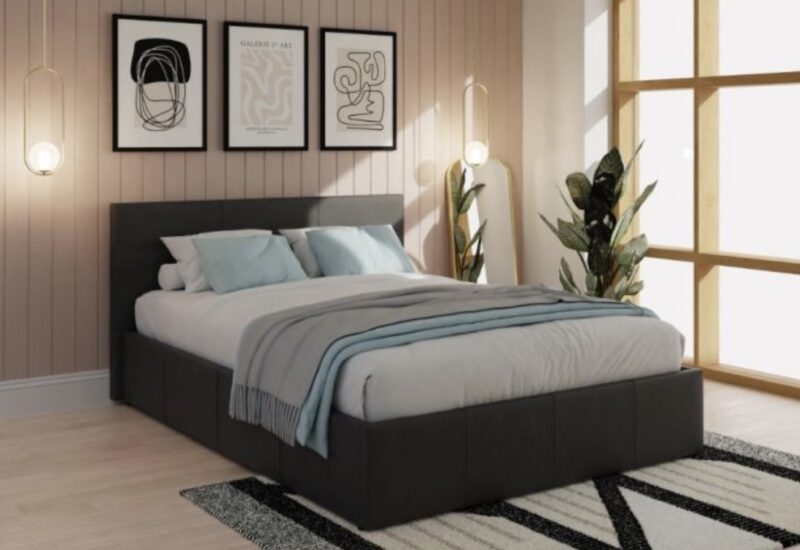
Thoughtful bedroom furniture arrangement creates a peaceful and functional sleeping space that supports good rest. Strategic placement of the bed as the focal point, paired with the proper positioning of dressers, nightstands and other pieces, establishes natural pathways for movement. Leaving adequate clearance around furniture prevents a cramped feeling while maximizing the available square footage. The right layout balances practical needs like storage and accessibility with design elements that make the room feel open and inviting. A well-planned bedroom setup transforms an ordinary space into a comfortable retreat that serves its essential purpose. When furniture placement follows fundamental design principles while accounting for the room’s unique characteristics, the result is a harmonious environment that promotes relaxation and rest.
Article edited by Alexander Elisab