
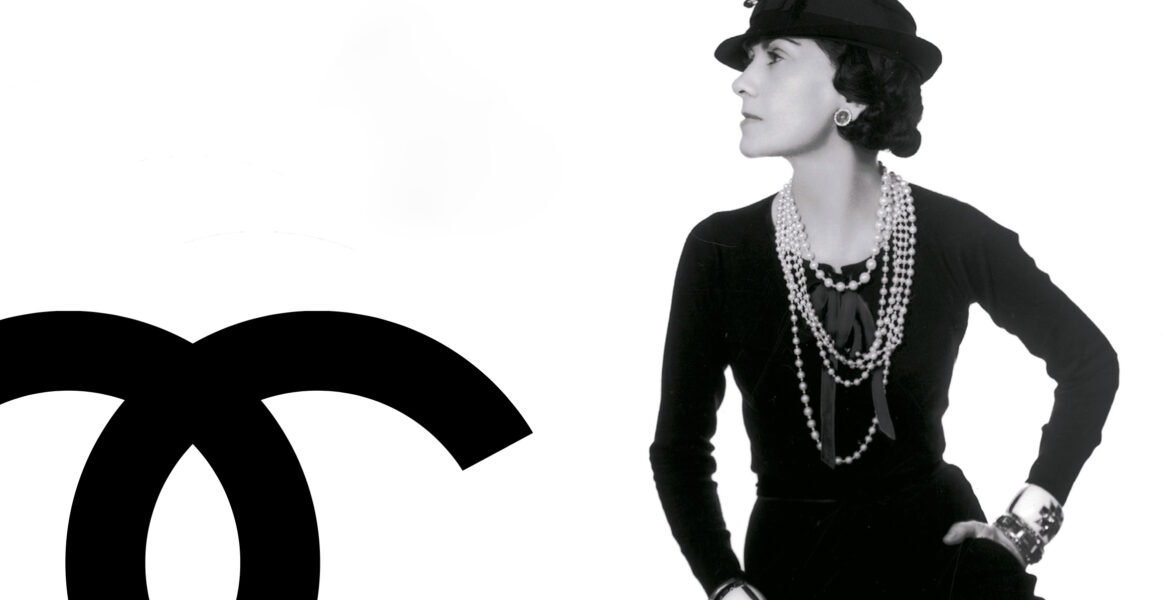
Conservative yet revolutionary, chameleonic and true to herself. She changed the world of fashion with black and white strokes, rewrote the history of decorum by banishing corsets from women’s wardrobes, and dictated her rules under the banner of the only unshakable diktat that defined her whole existence, “Fashion passes, style remains”.
Gabrielle Bonheur Chanel, a highly complex figure, made up of contradictions and cloaked in the legend to which she herself contributed in many ways, including commissioning ad hoc aphorisms from the poet Pierre Reverdy to sharpen the razor of her already caustic astuteness. That, fifty years after her death (1971) and one hundred and forty years after her birth (1883), is cited in abundance among the commandments of refinement where the most mortal of sins is the vulgarity that she defines as “the ugliest word in our language. I stay in the game to fight it”.
It is difficult to pigeonhole Coco in the space of a few lines, just as her indomitable and roaring lioness-like temperament, as a true Leo, her astrological sign, was not compressible, becoming part of the symbolism of the Maison together with her lucky number 5, her favourite flower, the camellia, and the unmistakable interlocking double C. She was born into poverty and was as much a peasant as a child as she was rich and Parisian as an adult.
When her mother died, her father abandoned her at the Aubazine orphanage of the Congregation of the Sacred Heart that indelibly imprinted on her the antithesis of the nuns’ dour habits and the austerity of severe lines. A solitude that would haunt her forever despite the intensity of life, hungry for redemption and fame to erase everything she was ashamed of, keeping silent about what she could not accept and covering it up with innovation.
For her time, Chanel’s elegance is subversive, founded on polish and minimalism, an elegance never separated from the practicality that safeguards the freedom of movement of a woman who asserts her independence, even economically, from men and is determined to have her place at the table. “One world was dying, another coming into existence. I was there; an opportunity beckoned and I took it. I was the same age as the new century, so it turned to me for its expression in clothing.
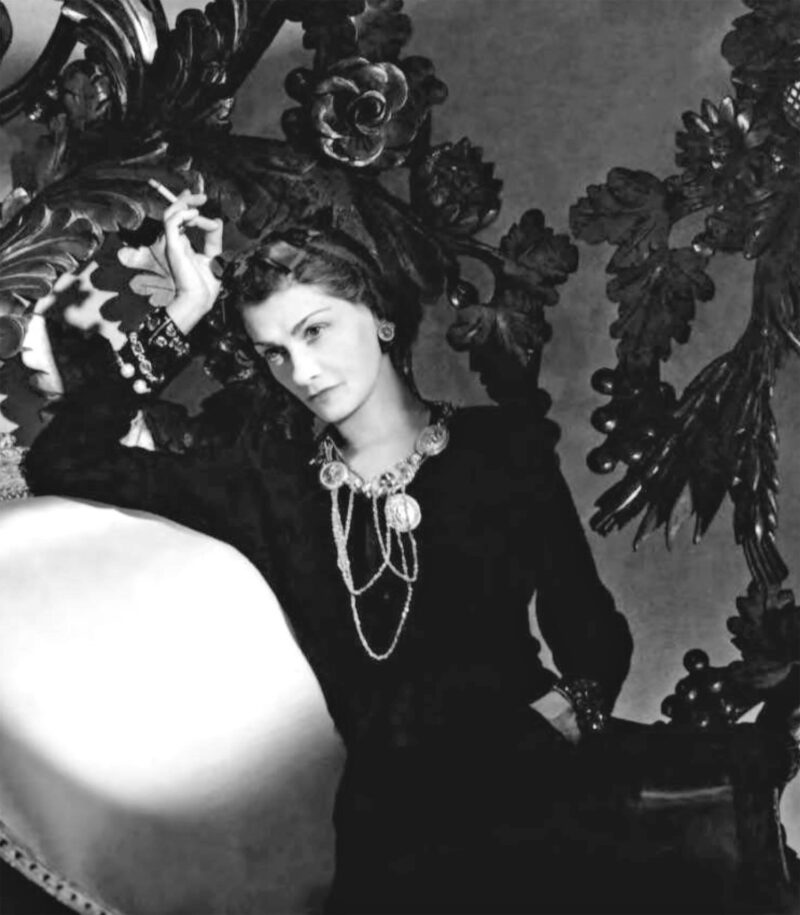
Simplicity, comfort, clarity were needed: I offered them all of this, without being aware of it”, she describes the vision of a new paradigm of which she herself was a scandalous interpreter, the generous and autocratic Mademoiselle married to her work, leaving behind a long list of lovers, often also her financiers to whom, proud of her independence, she returned all the money received on loan.
It was at the cafe where she performed the song that earned her the pseudonym – Qui qu’a vu Coco? – that she met her first paramour, the horse lover Étienne de Balsan. She moved into his chateau, where she began to create striking straw hats and where the equestrian world left its mark on her, just as much as the abbey had, for the prototype of the garçonne.
Whilst still with him, she met her second and greatest love, the English industrialist Arthur Capel, known as Boy. These were the years in which she transformed the fluid jersey fabric for men’s garments into a protagonist of her own, opening her first boutique in Rue Cambon and inventing the silk pyjamas so that her customers were still presentable even while they were evacuated in the middle of the night to the strains of the air raid siren. Coco and Boy never married; in the most wistful version of the story because she was of humble origins and he was decidedly ambitious or, in the grittier one, because when faced with an ultimatum to marry him, she would have chosen her work. He married an aristocrat and they continued to see each other until his untimely death.
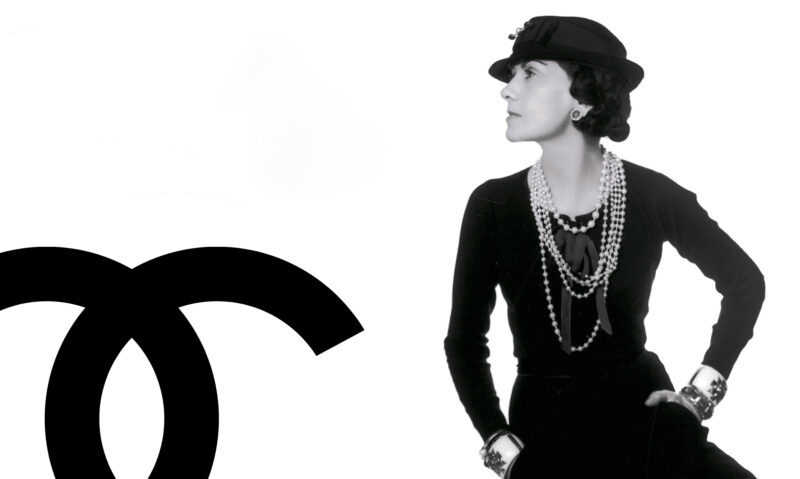
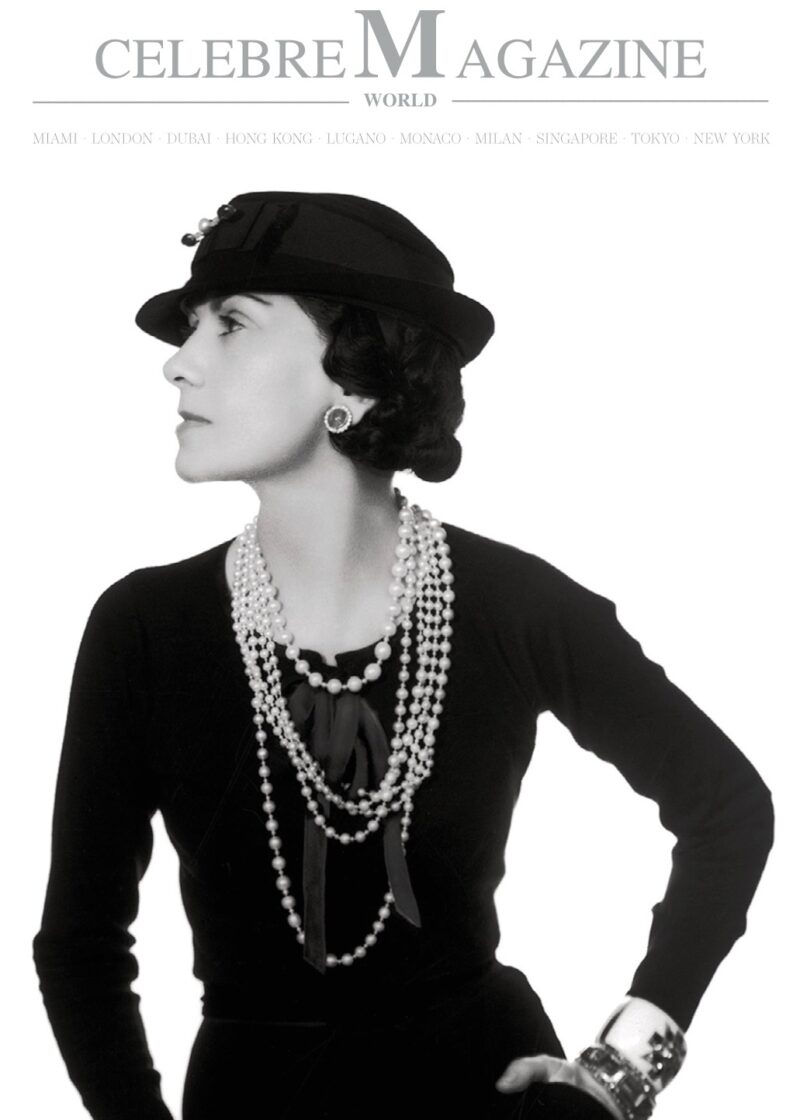
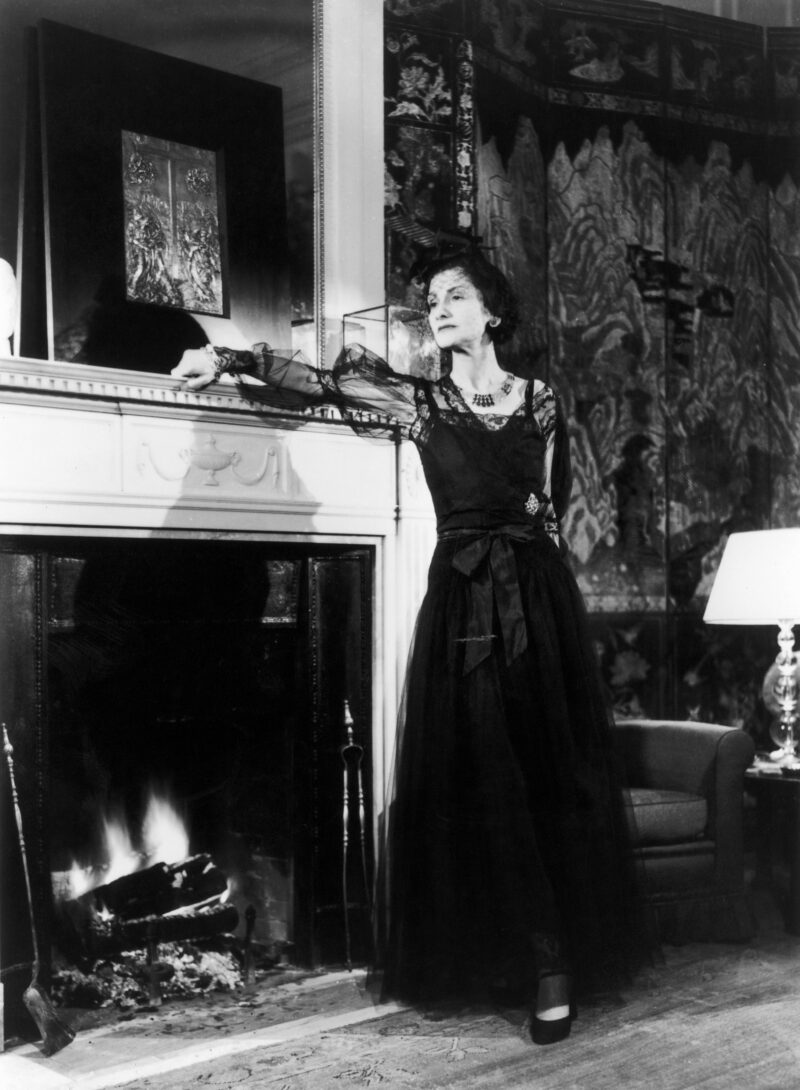
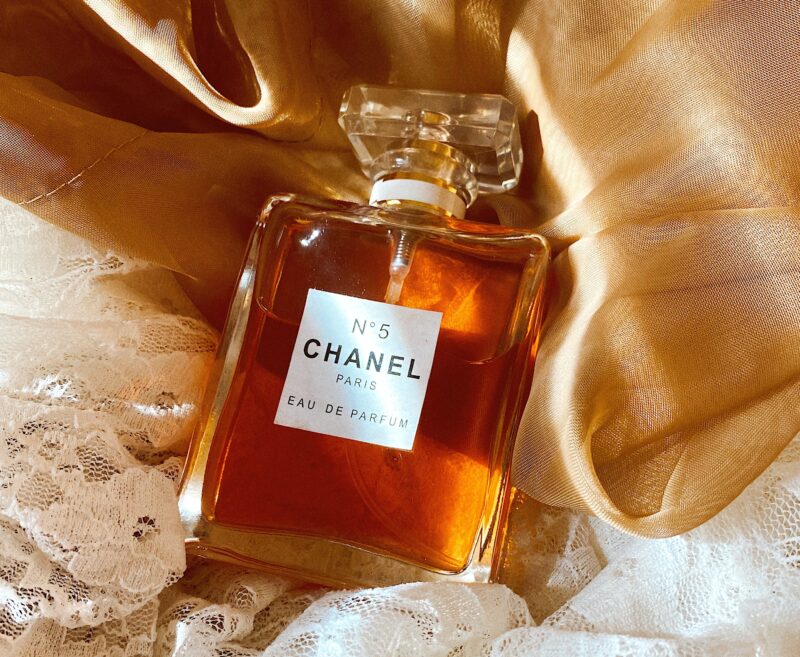
The 1920s marked Mademoiselle’s must-haves par excellence: one of the first and most iconic fragrances to use synthetic molecules, the famous Chanel No. 5 with a diamond-cut cap, and the pétite robe noire. In the following decade, essential garments were complemented by excessive bijoux, such as the emblematic cascades of pearls and bold cuffs. With the advent of World War II, she closed her business and left 4,000 women unemployed, maintained relations with the Nazis and fled to Switzerland at the end of the conflict, closing the curtain on that part of her life for ten years. 1954 sees a dramatic turn of events in which she reopens her boutique in France, which is not willing to welcome her back for obvious reasons.

But she is steadfast and carries on: she brings back her immutable suit, this time in tweed, and invents the shoulder bag. Hollywood idolises her and she continues her feverish activities until, at almost ninety, she dies in her suite at the Ritz on the only day she wasn’t working, a Sunday in January.
Article edit by Claudia Chiari