
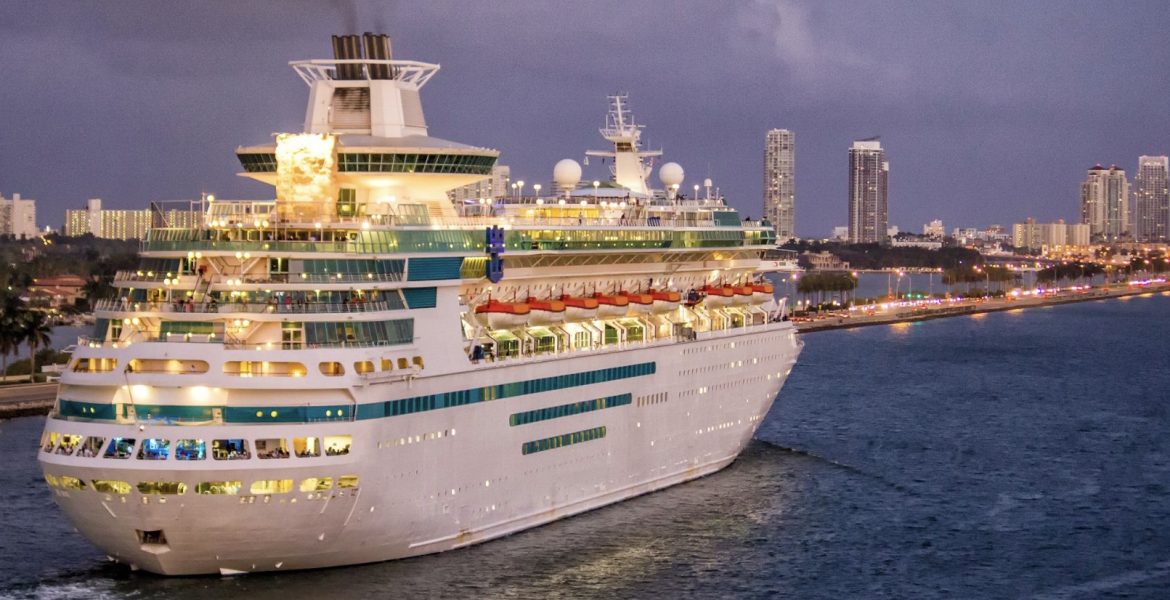
The hum of the ocean has been mixing with the jingling lights and digital chimes of a slot machine in the background. You’re probably on a cruise ship that’s just entered international waters. For most travellers, the cruise, in general, means leisure, a little bit of luck, and luxury. But what few know is that the casino, which sits between the buffet room and the pool deck, is not run purely according to corporate policy but under a multi-layered web of maritime laws. To understand at what point and why those brightly lit slot games come alive upon the high seas leads into legal waters that are anything but shallow.
Law and Casino timing limits
A ship’s position on the ocean does not equal a dot on the map but implies legal jurisdiction. Within approximately 12 nautical miles of a country’s coastline, the ship has to abide by that country’s laws. This includes gambling regulations. Once the boat crosses this invisible line into open or international waters, there is a shift: the laws of the ship’s flag state go into effect. This is the country in which the vessel is registered, which might not be where the passengers embarked. For example, take the United States. For the most part, cruise ship casinos are shut while in port in Miami or sailing in or through Florida’s territorial seas. However, once the vessel crosses the 12-mile boundary, it’s an altogether different ballgame, quite literally. Instantly, the casino comes to life; the bar hums, and machines such as the much-in-demand sweet bonanza slot game flash into action. While most players are just concerned about their next spin or hand of cards, little do they know that the hours on that slot floor are determined by a mix of international laws of the sea and national regulations.
Understanding the importance of a flag
This brings the discussion to an important legal anchor: the ship’s ‘‘flag state.’’ ‘‘Flag state’’ may sound to many like just a formality, but it is one of the key determinants for the operation of cruise ships, especially in the context of casinos. Many cruise lines choose to register their ships in nations like Panama, the Bahamas, or Liberia. These nations have a tendency towards more relaxed laws, which in practice allow and operate on board casino activities once the ships hit international waters. It’s not just about more relaxed laws but operational predictability too. A cruise ship flagged under a country with simplified gambling laws can market casino experiences quite confidently, plan tournaments, and guarantee some consistency along its itineraries. Major cruise lines prefer some flags over others for a reason; it’s strategic, often largely strategic for the onboard business model.
Navigating regional gambling rules
Beyond flag state regulations, regional laws further complicate the picture. Apart from flag states, individual nations handle cruise ship casinos, occasionally in rather unexpected fashions. Western Australia, for example, has implemented a unique stipulation: cruise ship casinos are only permitted to operate within 12 nautical miles off the coast, not in international waters. This may seem counterintuitive, but it is meant as a way of safeguarding the revenues of local land-based casinos. These slight differences form a tapestry of rules that the cruise operators must wend their way through regularly, at times even changing casino operation schedules based on that day’s route or port of call. This transition of legality can at times seem almost dramatic, like the lifting of a curtain once the vessel has silently crossed some ‘magic’ line. However, it is a performance based on precise compliance, with the crew checking GPS and measuring distances to ensure all operations for the casino are legal. While the guests on board might feel that things are seamless, it is usually the result of careful legal planning done in the background.
Looking beyond the slot machines
In many cases, this activity takes place on the casino floor, often with modest bets and friendly themes that attract the clientele, depending on a ship’s given legal context. There are possibilities of running table games, poker nights, and sessions of high-paying games under proper circumstances. The operational landscape is, therefore, shaped by a combination of demand, legality, and logistics. At times, this includes hosting casino-themed evenings or slot tournaments on international waters with popular games like Sweet Bonanza, planned to coincide with the ship’s entry into international waters. Such fun-filled activities are, in reality, carefully undertaken in observance of a fine line in maritime legalities.
The bells in a cruise ship’s corridor are ringing, not for the entertainment but as a result of international and national legal frameworks. There are no random cruise ship slot games; these are a build-up of legalities that are activated by proceeding across the invisible lines on the map. At last, the onboard casino is beyond a luxury; it is an interesting illustration of how the legal world still governs the experiences, even in the middle of the sea.
Article edited by Alexander Elisab