
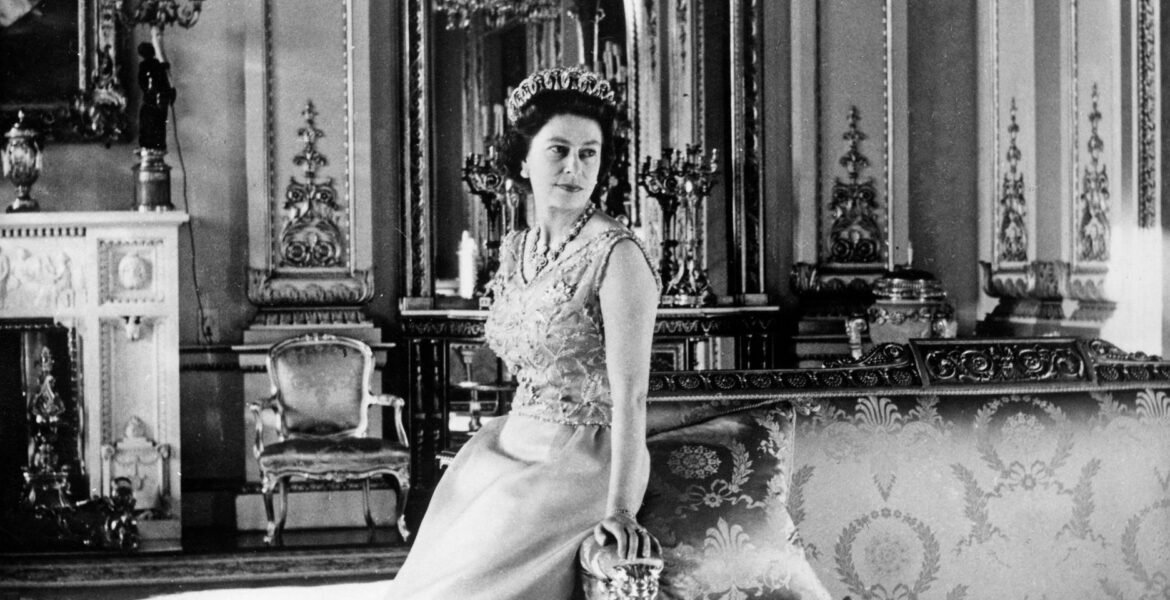
“I declare before you all that my whole life whether it be long or short shall be dedicated to your service and the service of our great imperial family to which we all belong”, she said in her twenty-first birthday speech to the Commonwealth broadcast on the radio. Having celebrated seventy years out of her ninety-six on the throne last June, Her Majesty became the longest-reigning English monarch and one of the longest-reigning in history, second only to the Sun King who ruled for over seventy-two years. Imbued with a sense of responsibility and composure since she was a child, Elizabeth had become the rightful heir of England ten years prior to this speech when her uncle Edward VIII abdicated leaving the sceptre and crown to his younger brother.
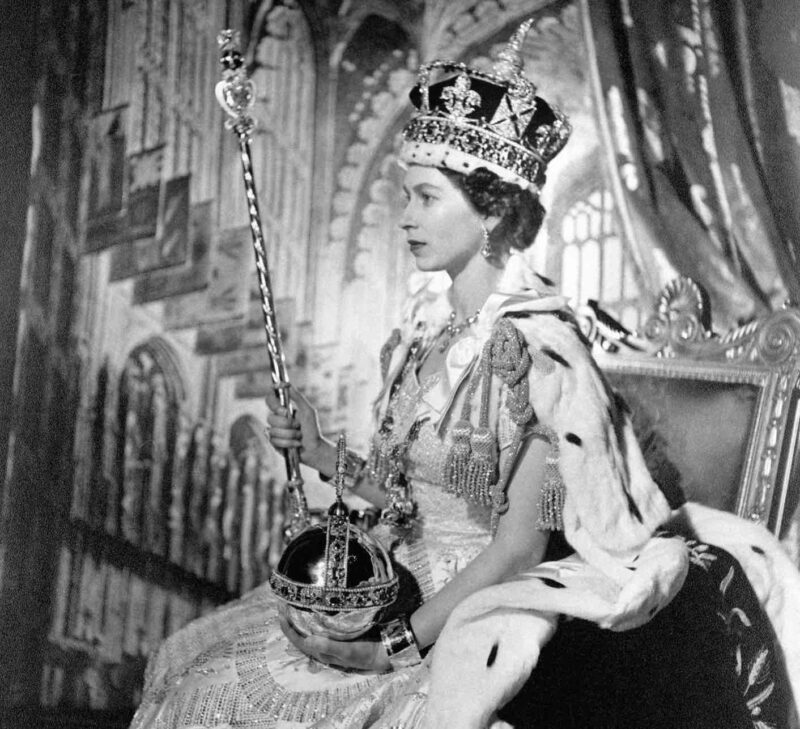
Affable and disciplined, conservative and versatile, silent and tenacious, the Queen was the glue that held the royal family together and the embodiment of the twentieth century. Her life was intertwined with some of the most influential people of this period, such as presidents John Fitzgerald Kennedy and Nelson Mandela, the Iron Lady Margaret Thatcher and Prime Minister Winston Churchill who was captivated by the future queen at just two years old. “She has an aura of authority and reflectiveness astonishing in an infant”, he said of little Lilibet, who would be ready to adapt to her role even before being crowned in 1952ollowing the death of her father King George VI. Bastion of an era that definitively ended with her, there could be no other reaction to her death than to unleash the immense collective tribute that has been paid to her.
Elizabeth II chose to retain her name, determined not to change it when ascending the throne. She was a fierce guardian of the constitution in an era of momentous changes without losing heart during the most challenging times in which she revealed strong mediation skills, from the break-up of the empire to the involvement of family members in unfortunate events up to Brexit. Her ability to remain steadfast and unstoppable in the face of difficulty, conveying a sense of stability and tranquillity, has made her a fitting example of leadership based on persistent practicality, trust in the future, and stoicism, merging her own image with that of the monarchy itself. A calm, robust, gentle but firm power, devoid of ego and not a fan of the superstar treatment, she was no stranger to arduous work ever since volunteering in the war as a truck driver and mechanic.
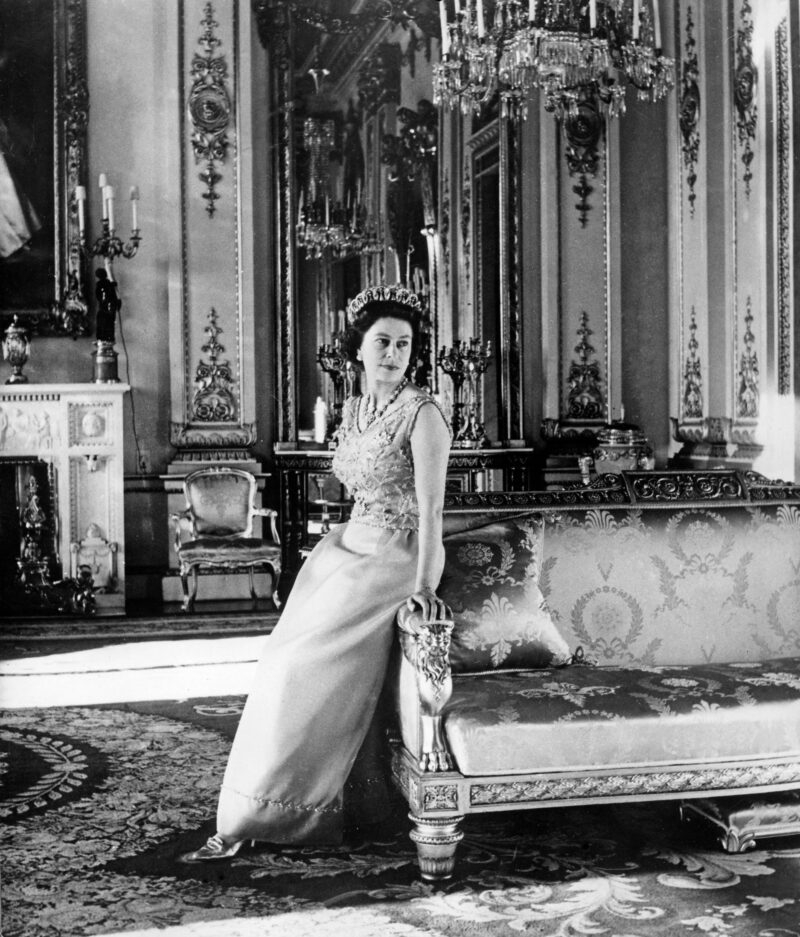
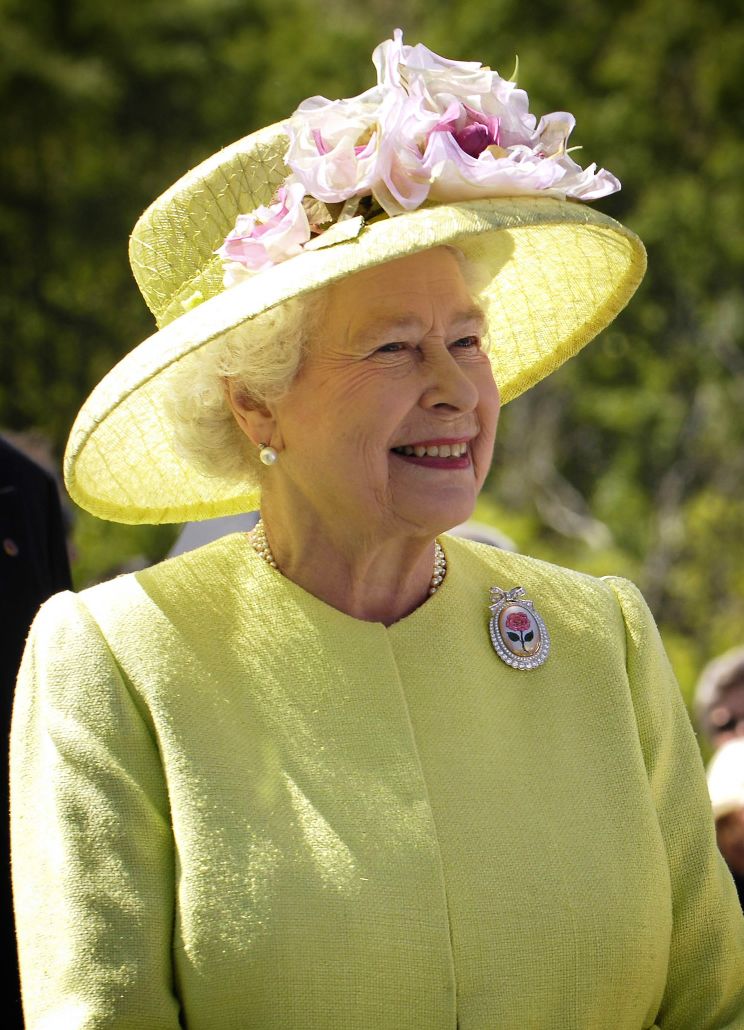
When we lost the Queen, we lost a concept of royalty made up of the sober demeanour, modest elegance, and reserve that have always distinguished her. Always in the public eyes, appearances mattered. The unmistakable style of the Queen was part of her persona; revolving around brightly coloured monochromatic outfits with a hat, black décolleté sometimes replaced by loafers, and a beloved black Launer handbag on her arm that made a statement but still held the common essentials. A triple row of pearls adorned her neck to match the earrings, breath-taking crown jewel brooches on the left and, when the occasion called for it, the world’s most iconic tiaras on her head.
No elaborate hairdos, a light touch of makeup applied with her own hands, and the customary bright shades of lipstick. The ER II trademark look also extends to military uniforms and relaxed outfits of wellington boots, tartan skirts, and headscarves at the Scottish holiday home of Balmoral, where an aptitude for outdoor activities was the main criteria when selecting guests who would spend the summer there with her, her horses, and her beloved corgis. Balmoral Castle was also where she peacefully passed away on the afternoon of the eighth of September.
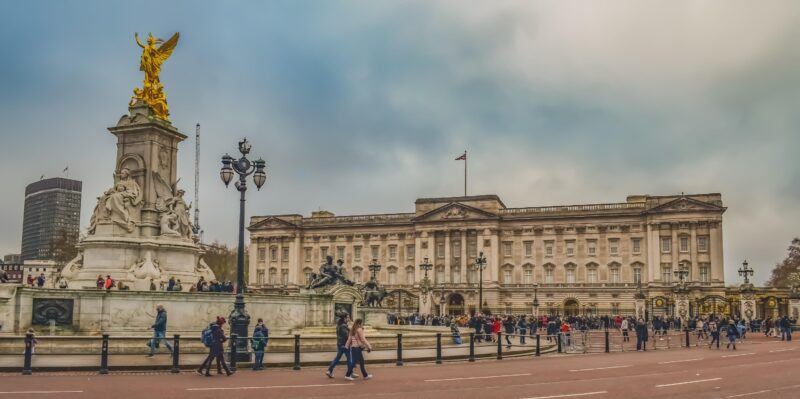
We could never forget the image of her next to her husband’s coffin, her rock, enveloped in the solitude of intense sorrow marked by an uncharacteristic tear, swallowed with difficulty. It was the first time that we, the public, had seen a chink in her armour, revealing the humanity of a woman struck by grief. Earlier this year, at the Platinum Jubilee celebrations, supported by her walking stick, she took part in everything that her health conditions allowed, from the opening Trooping the Colour military parade to the final appearance on the balcony of Buckingham Palace, surrounded by her successors Charles, William, and George. She almost made us believe that she would live forever.
“England expects that every man will do his duty” was the signal sent by Admiral Nelson to his entire fleet at the start of the battle of Trafalgar, where he lost his life. Betraying those expectations was never an option for Elizabeth Regina. God Save the Queen, or rather the King.
Article edited by Claudia Chiari