
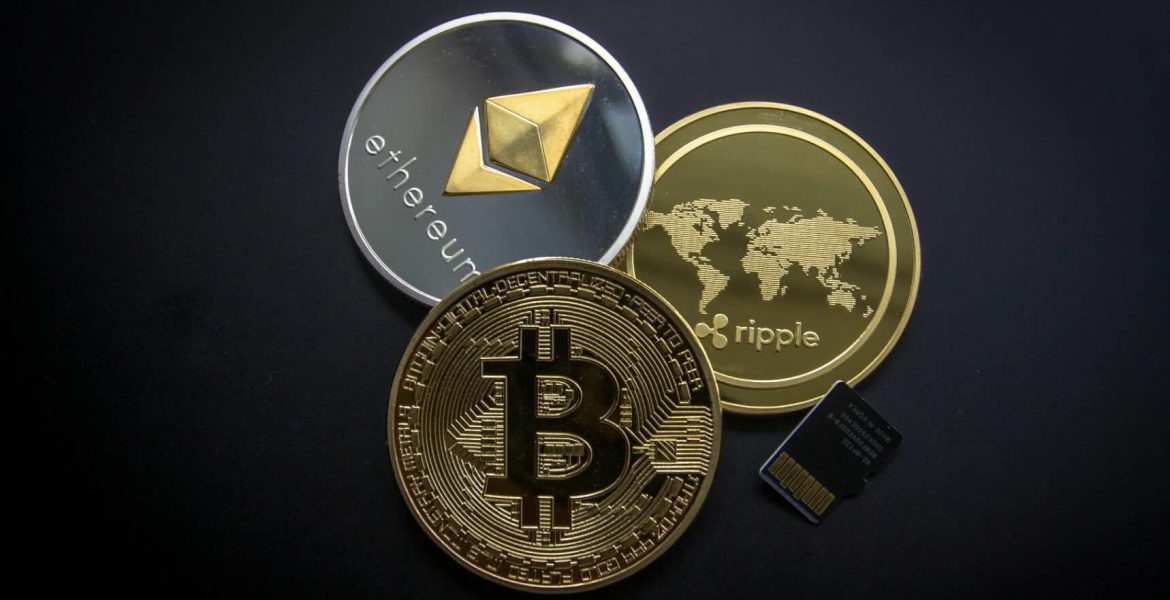
Crypto used to be for the code crowd. Quiet message boards. White papers. People talking about decentralisation as if it were a secret language. Now it’s on red carpets and in influencer captions. It’s slipped into the bloodstream of fashion, gaming, and finance. For Gen Z, crypto isn’t rebellion anymore. It’s reputation. Owning it says you understand the modern economy better than the generation before you. As of October 2025, the Bitcoin price USD sits near 121,900, up 102 percent in the last twelve months. Ethereum’s climbed too. A year of steady growth has turned heads. Once again, the question isn’t “is it real?” but “how high can it go?” When prices rise, perception shifts. What started as speculation now feels like status. It’s not about being rich. It’s about being early.
The currency of cool
Crypto sits at the intersection of money and culture. According to Gemini’s 2024 State of Crypto report, 51 percent of Gen Z worldwide say they’ve owned crypto at some point, compared to 35 percent of the general population. Among Gen Z investors, 47 percent say crypto is their “first-ever” investment. That number alone changes how you see the generation. They skipped traditional stock brokers and jumped straight into the digital economy. The same survey found that 36 percent of Gen Z use crypto for travel, shopping, or subscriptions. Another 39 percent spend it on gaming. It’s not just an asset class — it’s a lifestyle currency. Paying with crypto has a kind of quiet flair. Like showing you’re fluent in a language older generations still find intimidating.
A new kind of luxury
Luxury isn’t just about owning something rare anymore. It’s about being fluent in innovation. For Gen Z, wealth is tied to awareness of markets, of technology, of timing. The designer handbag and the rare NFT drop aren’t opposites. They’re part of the same continuum of cultural capital. Yi He, Binance’s co-founder, said it simply: “Crypto isn’t just the future of finance, it’s already reshaping the system, one day at a time.” That shift explains why crypto signals luxury more subtly than a sports car ever could. A crypto wallet doesn’t flash wealth. It whispers understanding. When the legendary Michael Jordan came out of retirement in 1995 wearing number 45, it wasn’t just about basketball. It was a symbol. Reinvention. Proof that icons could return and evolve. Crypto’s resurgence in 2025 carries a similar energy. It’s coming into its own.
Institutional blessing
Richard Teng, Binance CEO, put it this way: “Global adoption often starts with a single domino. Now that crypto is being recognised as a legitimate financial instrument within one of the world’s largest retirement systems, the question is no longer what, but when.” That’s the kind of quote that signals maturity. Institutions that once warned about crypto now integrate it into their strategy. Pension funds. Family offices. Even universities are exploring blockchain courses. Institutional money brings two things: credibility and control. It anchors prices and forces regulation to catch up. Catherine Chen, another Binance executive, noted earlier this year that “regulatory architecture is gradually aligning with the operational realities of digital asset markets.” That alignment makes the market safer, and safer markets attract more luxury buyers.
Luxury, rewritten
The idea of “luxury” itself is evolving. For Baby Boomers, it was about possession. For Millennials, experience. For Gen Z, it’s participation. They want to be inside the systems shaping the future, not watching from the outside. Crypto offers that access. Owning digital assets gives them agency. It’s proof of involvement in a new global market. Luxury used to mean status through scarcity. Now it’s status through sophistication. Crypto gives Gen Z a way to show they understand value in real time. While their parents debate mortgage rates, they’re watching liquidity pools.
The double-edged glow
Crypto’s shine still reflects risk. The market’s volatility hasn’t gone anywhere. When prices fall, the same social feed that celebrated a portfolio’s rise can turn silent. But this generation grew up in turbulence, from economic crashes to inflation and climate anxiety. They’ve learned to treat risk like noise. Manageable. Expected. It’s that resilience that makes their adoption rate so high. They understand volatility as part of innovation. In the same way, early adopters once accepted laggy Wi-Fi and slow browsers. The technology matures, the pain points fade.
The future of status
Crypto isn’t leaving the luxury space. It’s too embedded now across popular culture and the growing world of digital identity. As Web3 merges with entertainment and commerce, the digital wallet becomes a passport. It’s no longer about having a car in the driveway. It’s about owning tokens that open doors in virtual worlds or exclusive events. If Gen Z keeps leading adoption, luxury’s next era won’t be defined by gold and leather. It’ll be defined by code. Value you can’t touch, but everyone can see.
Article edited by Alexander Elisab