
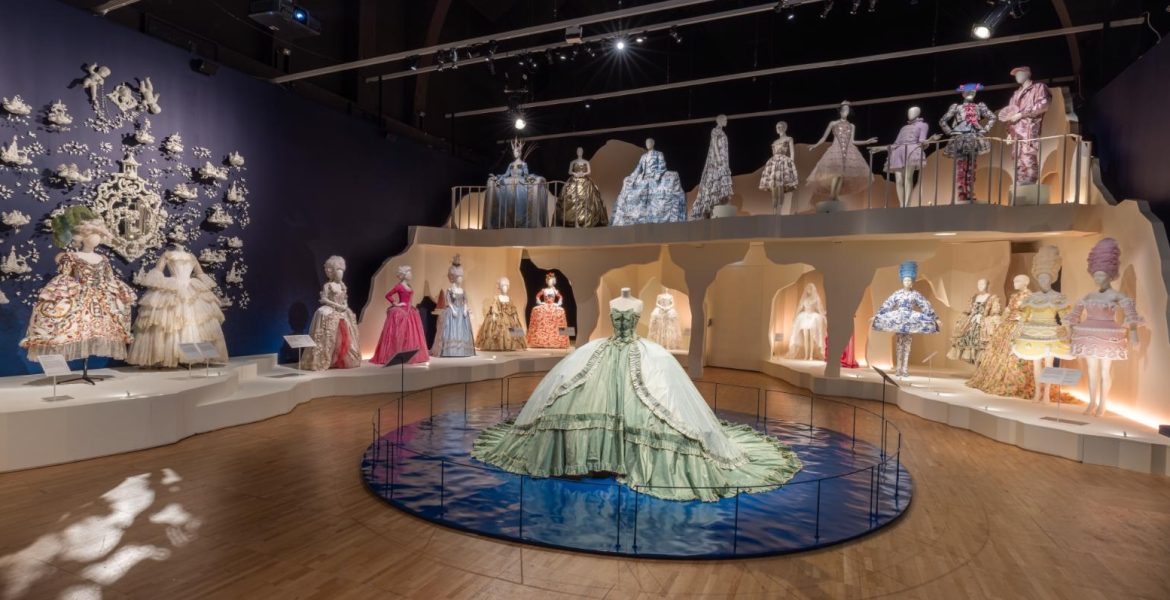
The Victoria and Albert Museum in London is shining a new light on one of history’s most enigmatic fashion figures. Its major exhibition delves into the multifaceted aesthetic identity of Marie Antoinette, an icon whose influence has stretched far beyond the turbulent years that defined her life. Rather than simply recounting the familiar story of the ill-fated Queen of France, the exhibition investigates her evolution into a transhistorical symbol of beauty, spectacle and cultural imagination. Bringing together rare garments, personal objects, cinematic costumes and contemporary fashion pieces, the show positions Marie Antoinette as perhaps the first modern celebrity. Her carefully crafted appearance, her fascination with luxury and theatricality, and her mastery of visual communication set the tone for more than 250 years of design, style and cultural storytelling. Some objects, such as pieces from the Petit Trianon dinner service and accessories from her private grooming set, are being shown outside Versailles and France for the first time.
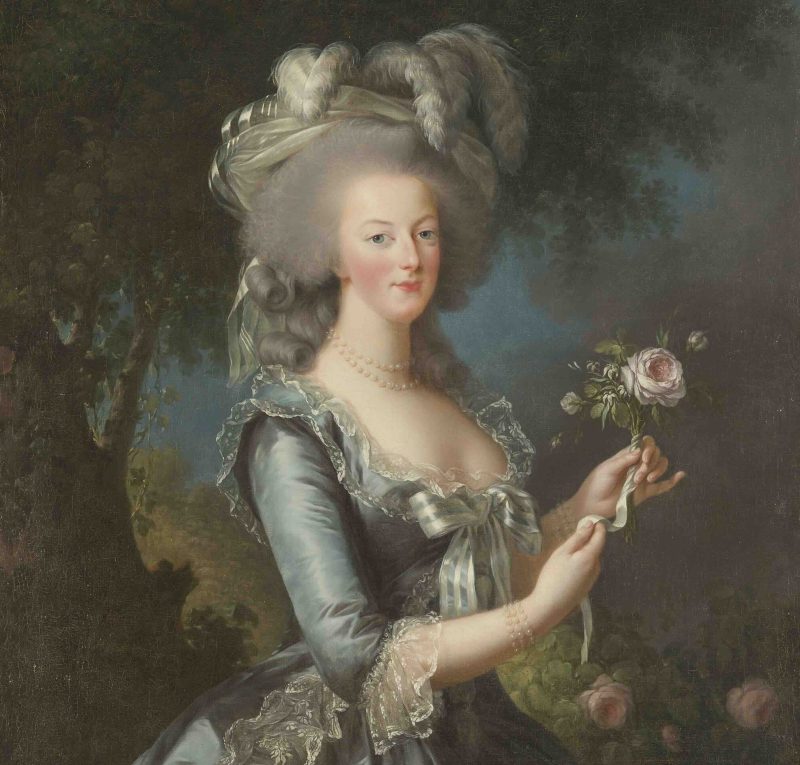
These artefacts offer a rare invitation into the queen’s sensory world, one traditionally accessed only by court insiders. Curator Sarah Grant has meticulously recreated the visual and atmospheric universe surrounding Marie Antoinette. The exhibition adopts a thematic, rather than chronological, structure, enriched by immersive audiovisual installations and an olfactory experience that recreates the scents accompanying pivotal moments of her life. Grant emphasises that Marie Antoinette’s influence extended far beyond her role as monarch: “The Austrian archduchess who became Queen of France shaped European taste in ways that still resonate today. Her story has been reinvented by every generation, and the mix of glamour, spectacle and tragedy that surrounds her remains intoxicating.”
Works by leading fashion houses, Moschino, Dior, Chanel, Erdem, Vivienne Westwood and Valentino, demonstrate the queen’s lasting relevance in modern design. Equally captivating are the costumes from Sofia Coppola’s film “Marie Antoinette,” designed by Oscar-winning costume designer Milena Canonero, including the iconic pink satin shoes by Manolo Blahnik, a sponsor of the exhibition. The queen’s aesthetic legacy goes beyond garments. Her influence has permeated visual culture, interior design, decorative arts and contemporary photography. Even the notorious phrase “let them eat cake,” though misattributed, has become part of the myth that surrounds her, illustrating the perceived gap between courtly excess and social reality.
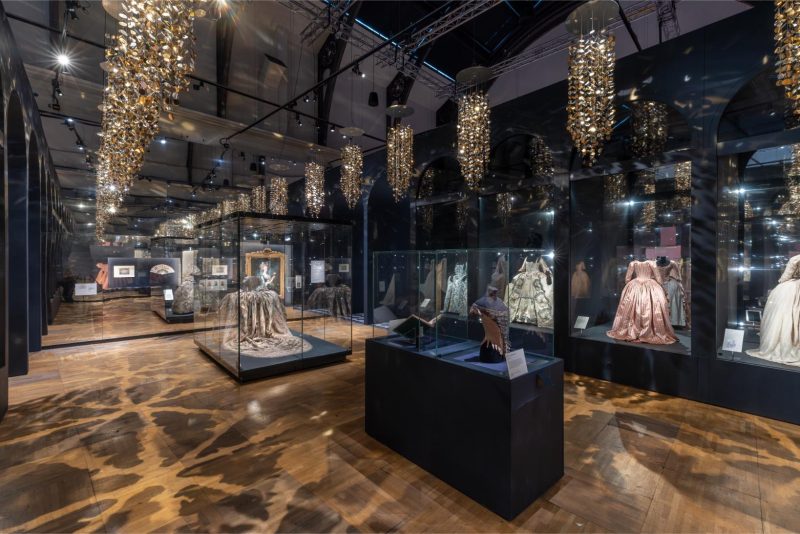
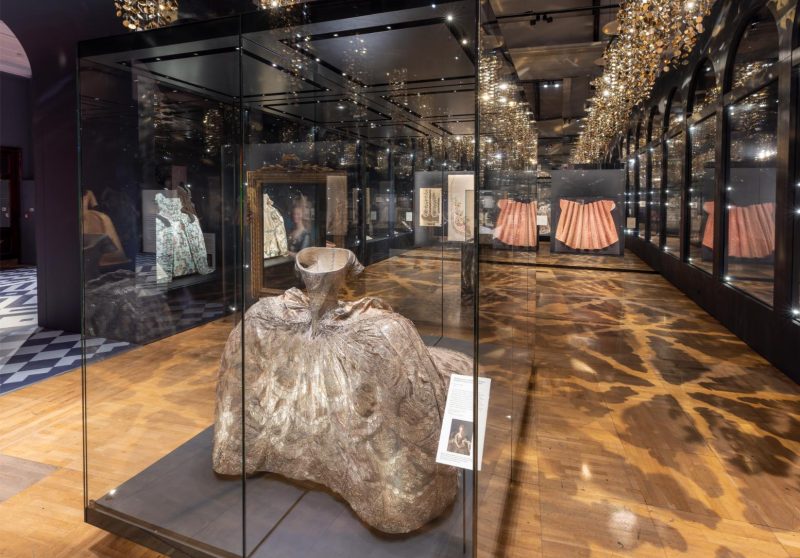
The Origins of a Look (1770-1793). The opening section introduces visitors to the young dauphine and her immersion into the rituals of the French court. Rich fabrics, architectural hairstyles, sumptuous jewellery and exquisite furnishings demonstrate how quickly Marie Antoinette became a pioneer of style. Her fashion choices were more than decorative; they communicated political identity, personal taste and a modern awareness of image.
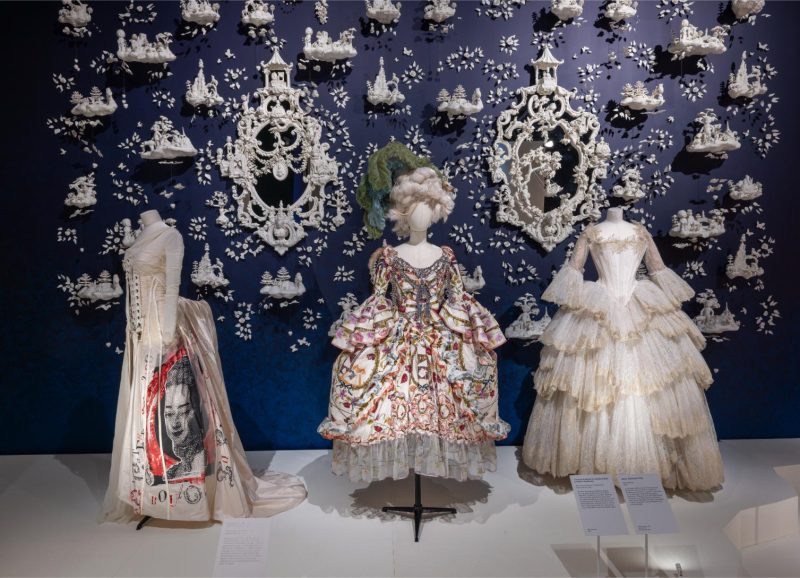
The Cult of Style (19th Century). The second section traces the queen’s reinvention during the 19th century, when Romantic nostalgia and Rococo revivalism revived interest in her persona. Collectors, painters and designers rediscovered her as a muse of elegance and fragility. In Victorian culture, she became a symbol of a lost, idealised world, inspiring fashion silhouettes, decorative arts and popular imagery. Here, the exhibition examines how Marie Antoinette transitioned from historical figure to aesthetic emblem. The rooms and objects associated with her, gilded interiors, pastoral fantasies, and pastel colour palettes, contributed to a narrative that transcended political history. This section reveals how the queen’s visual universe anticipated the rise of image consumption in modern culture. The final section projects Marie Antoinette’s legacy into the fashion and cinema of today.
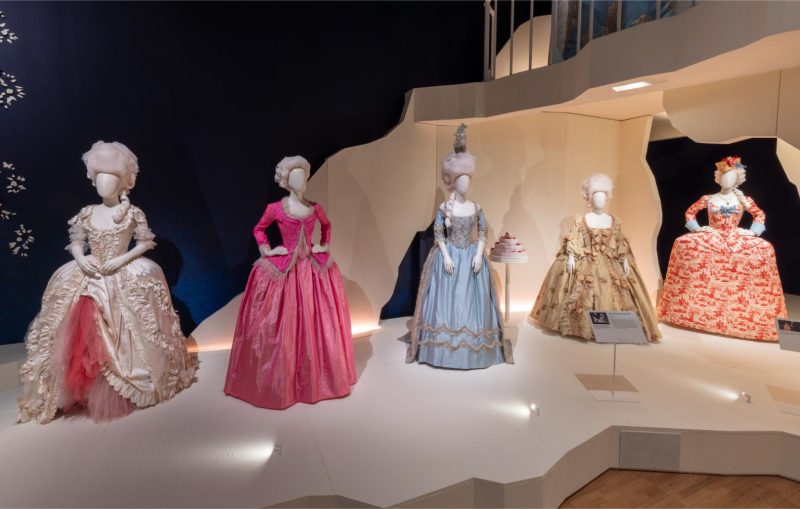
Runway interpretations by Dior and Chanel, editorial photographs, and the visuals created for Coppola’s film highlight how designers continue to mould her image to fit modern ideals of youthfulness, rebellion, decadence or empowerment. Marie Antoinette emerges as a timeless muse, part historical figure, part cultural invention.
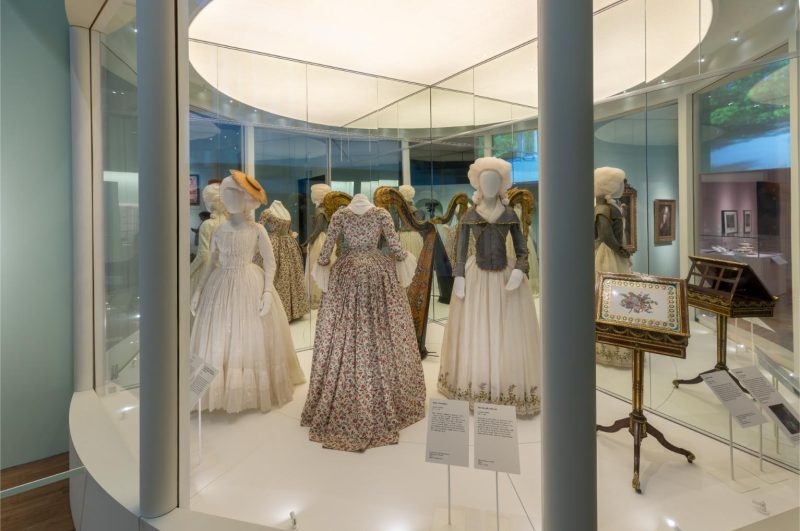
The V&A exhibition succeeds in shifting attention from biography to aesthetics, emphasising the Queen as a pioneer of visual language and celebrity culture. Yet the show’s spectacular final section, rich in modern reinterpretations, sometimes threatens to overshadow the historical nuances presented earlier. Still, this dynamic interplay between past and present becomes the exhibition’s greatest strength. In exploring how fashion reflects power, identity and femininity, the exhibition reveals that Marie Antoinette becomes a living cultural force. Her influence continues to shape our collective imagination, reminding us that style, like history, is a dialogue between eras.
Article edited by Elena Parmegiani