
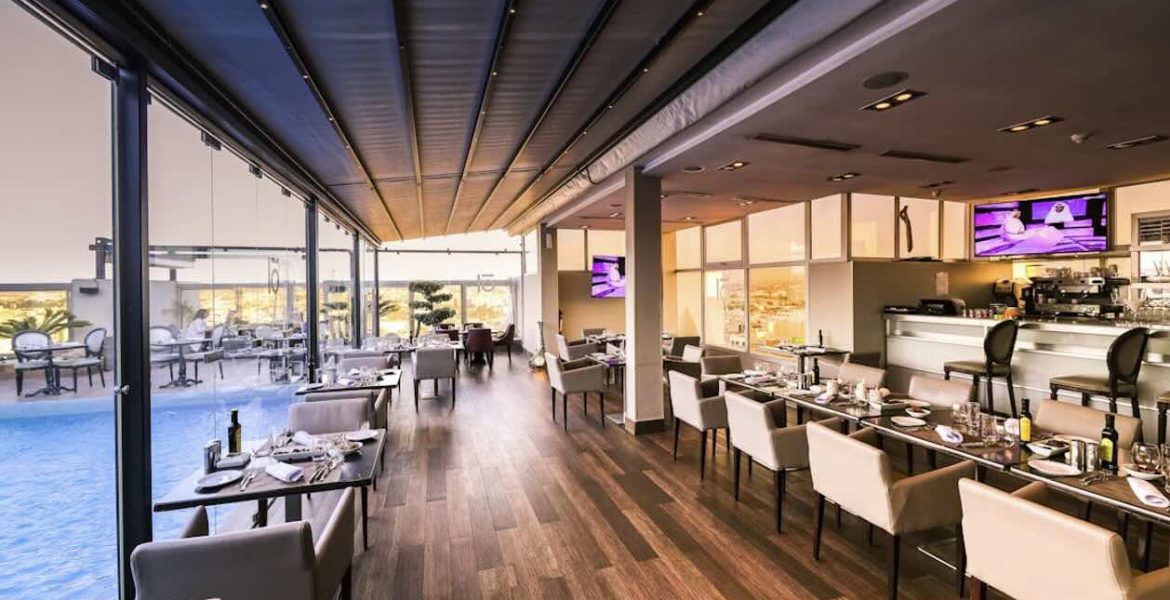
Creating a chef-grade kitchen for your boutique hotel means blending style, function, and precision. Every detail matters, from crafting the perfect menu to building spaces where every dish flows effortlessly from concept to plate. The right setup not only elevates the cooking process but also enhances the guest experience. Thoughtful planning transforms chaos into harmony, striking a balance between elegance and practicality. With smart choices and careful design, you can build a kitchen that runs efficiently, impresses guests, and meets professional standards without compromise.
Start with Menu Engineering
The menu is the backbone of any chef-grade kitchen. Plan dishes that reflect your hotel’s theme, catering to your guests’ tastes and dining expectations. Analyse every recipe for prep time, cooking techniques, and ingredient sourcing. This step shapes everything, from equipment needs to workspace layouts. For example, a seafood-heavy menu may require additional cold storage or specialised cooking tools like steamers or grills. Aligning your kitchen’s capabilities with your menu avoids future bottlenecks.
Project Service Volumes
Once your menu is defined, calculate the number of dishes you’ll serve during peak times. This ensures your kitchen design can handle demand without delays—factor in table turnover rates and guest capacity to avoid bottlenecks on busy nights. Reliable equipment is key for high-volume service. Investing in tools like Vulcan gear (for serious kitchens) ensures ranges and ovens perform consistently under pressure.
Zone Your Line for Efficiency
Efficient kitchen flow starts with smart zoning. Divide the space into dedicated areas: prep, cooking, plating, and cleaning, so staff can move seamlessly without crowding each other. Place equipment where it’s needed most: grills near prep counters or dishwashers close to the sink. Think about how chefs will work during peak service. For instance, a clearly defined pass keeps plated dishes moving quickly to servers.
Prioritise Ventilation and Fire Safety
A well-ventilated kitchen is essential for both safety and comfort. Install high-capacity exhaust hoods to efficiently remove heat, smoke, and odours. Ensure ventilation meets local health codes while maintaining a comfortable workspace for your team. Fire safety should be built into the design. Install automatic fire suppression systems above cooking stations to effectively manage risks. Keep extinguishers accessible in multiple zones.
Choose Energy-Efficient Appliances
Energy costs add up quickly in a professional kitchen. Invest in energy-efficient appliances to save on long-term operational expenses while reducing your carbon footprint. Look for equipment with ENERGY STAR ratings, which guarantee lower power consumption without sacrificing performance. Prioritize durable and versatile tools that handle heavy use, such as combination ovens or induction cooktops. Smart options like programmable fryers or refrigerators help optimise energy use during off-peak hours.
Design an Elegant and Functional Pass
The pass is where finished dishes meet the dining room. It should be both practical for staff and visually appealing if visible to guests. Use heat lamps to keep plates warm without drying out the food, ensuring consistency throughout service. If your kitchen has an open layout, opt for high-quality materials like stainless steel or polished wood to achieve a sleek finish. Incorporate shelves or slots for ticket management to maintain organisation during busy hours.
Stick to Compliance and Safety Standards
Every chef-grade kitchen must meet health, safety, and building codes. Research local regulations to ensure that your layout, equipment, and materials comply with all applicable legal requirements. This includes maintaining proper spacing between stations, using food-safe surfaces, and ensuring adequate lighting. Conduct routine inspections during the design process to catch issues early. For example, double-check that ventilation systems align with fire codes or that plumbing supports high water usage.
Plan for Storage That Works
Proper storage keeps your kitchen organised and running smoothly. Incorporate both dry and cold storage spaces to handle ingredients in bulk while maintaining freshness. Adjustable shelving in dry areas offers flexibility for storing a wide range of items, from canned goods to linens. For cold storage, ensure refrigerators and freezers are energy-efficient and have sufficient capacity to meet the needs of your menu. Position them near prep stations for easy access during busy shifts.
Factor in Staff Comfort and Workflow
A chef-grade kitchen should support your team’s comfort and efficiency. Provide ample workspace at the right height to reduce strain during long shifts. Non-slip flooring enhances safety, while ergonomic mats alleviate pressure on the feet. Ensure aisles are wide enough for staff to move freely without impeding each other. Proper lighting is essential, not just over prep areas, but throughout the space, to minimise errors.
Bringing It All Together
This final step ties all elements together into a cohesive design. Review your plans to ensure each decision, menu, layout, equipment, and safety, works in harmony. Double-check that your kitchen is ready for peak service while meeting compliance standards. Consider how the space reflects the character of your boutique hotel. Thoughtful details like an elegant pass or designated backup areas for overflow storage demonstrate both practicality and style. Designing a chef-grade kitchen is about more than just equipment and layout; it’s about creating a space that brings a culinary vision to life. It reflects the heart of your boutique hotel, blending function with creativity.
A well-planned kitchen ensures your team works confidently, guests enjoy exceptional meals, and operations flow seamlessly. Thoughtful decisions now will shape unforgettable dining experiences that set your hotel apart for years to come.
Article edited by Alexander Elisab