
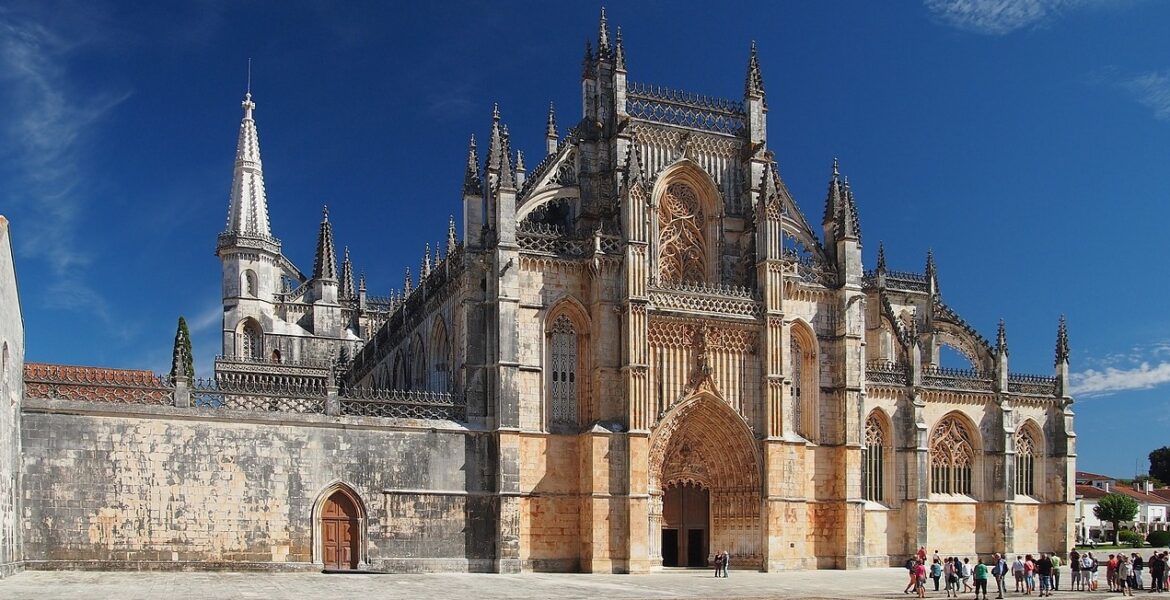
Just as there are the 7 Wonders of the World, there are the 7 Wonders of Portugal. So, if a trip here is on your agenda this time, you should definitely know them and try to visit as many as you can! So, get ready for the most magnificent sights, the most gorgeous sites, and one of the best tours to Portugal overall. Let’s see the seven greatest wonders you should see!
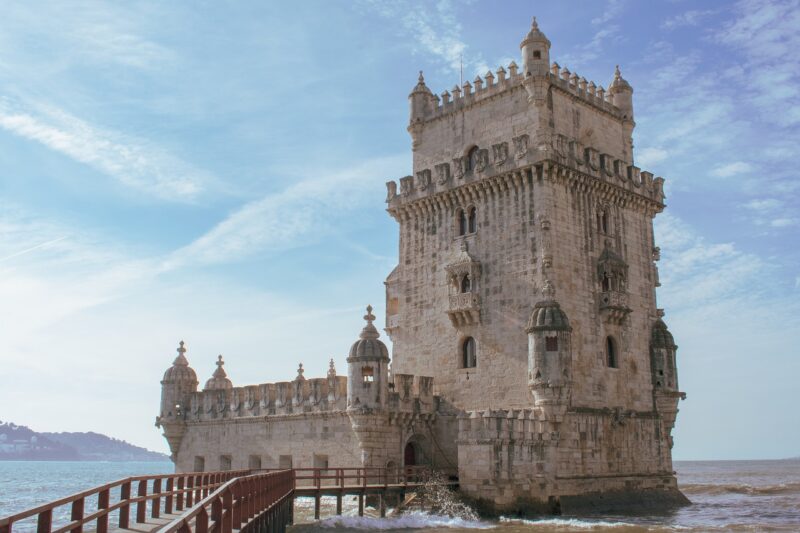
Belem Tower – Officially, the tower of Saint Vincent, the Belem Tower, was constructed in the 16th century as a point of embarkation and disembarkation for the Portuguese, meaning it served a great purpose back in the day! The tower is a stunning sight to behold; built during the Portuguese Renaissance, it is a perfect example of the country’s Manueline style; though genius as it is, it displays features of other architectural styles as well. The whole structure is made of lioz limestone, otherwise known as the Royal Stone, and as funny as that sounds – it shows.
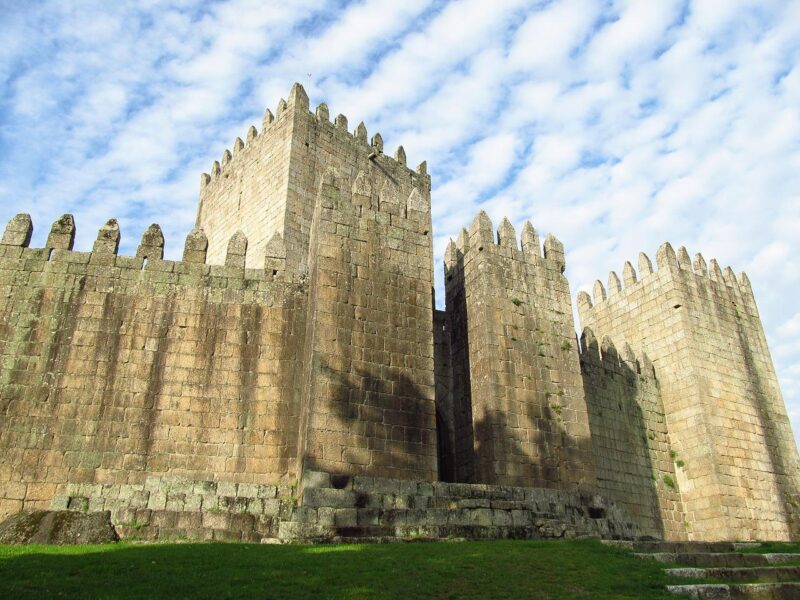
Castle of Guimaraes – Set in the northern part of Portugal, the Castle of Guimaraes is a medieval fortress of the 10th century to defend the monastery from attacks by Moors and Norsemen. Its architectural development is very interesting and quite progressive. Castle’s construction started when Portugal was in its Romanesque phase, and as the building went on, it evolved during the early Gothic period. So, to say there is something to see here would be an understatement! Also, it started with the unmistakable tones of Roman architecture, which then turned into more of a French style. Overall, the Castle of Guimaraes and its surroundings are very charming, so you should have the best time exploring it! By the way, the best way to get there might be going to Aveiro first, then taking a short train to the town of Guimaraes.
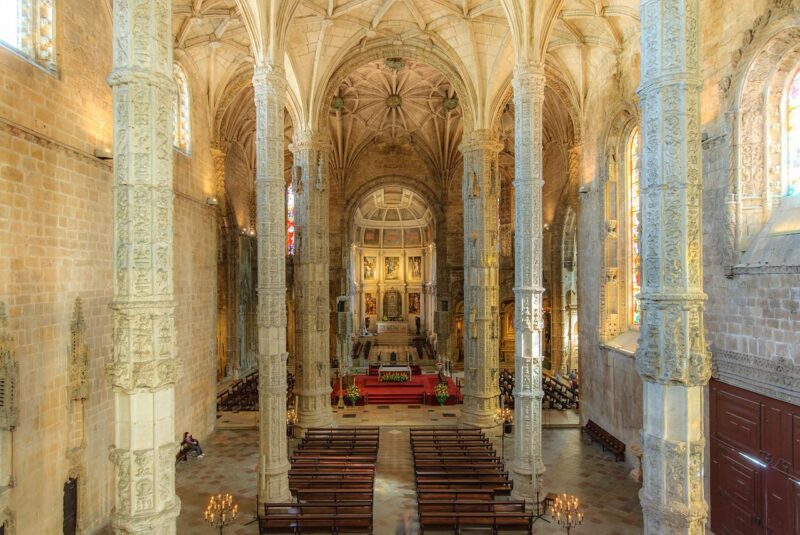
Jeronimos Monastery – After discovering the beauty of Guimaraes, jump on the Aveiro to Lisbon train and carry on with your adventure in the third Wonder of Portugal! Near the Tagus River in the parish of Belem, the monastery was the necropolis of the Portuguese royal dynasty of Aviz in the 16th century. Still, three hundred years later, its rights and ownership were transferred to a charitable institution, which now allows you to tour it! The Jeronimos Monastery is a great representation of the Portuguese Gothic Manueline style and holds great historical significance. The castle was built just a mere distance away from the launching point of the traveller Vasco da Gama in the 1500s, and its construction was funded by the profits of the Portuguese India Armadas. Learn more about its history, and see the magnificent designs, royal chambers, and tombs that are extremely meaningful to the country’s narrative!
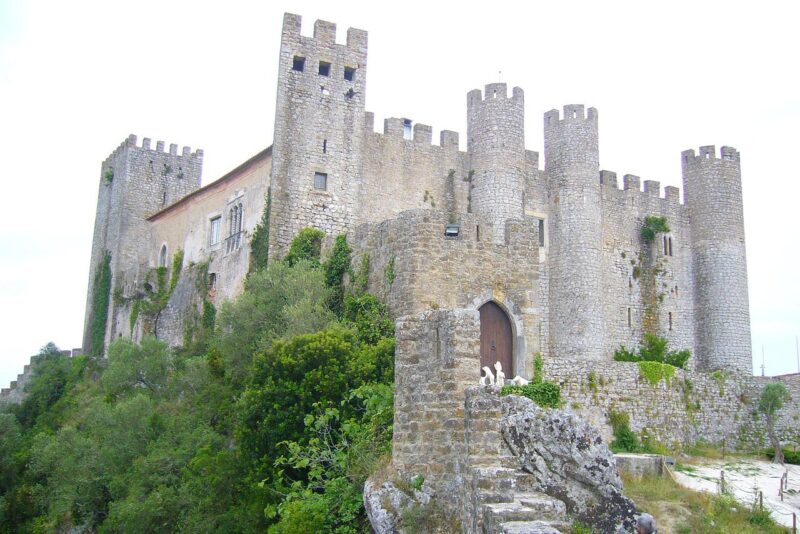
Castle of Obidos – At number four, still going strong, we have the Castle of Obidos, a remarkably well-preserved medieval castle in the civil parish of Santa Maria. The building and its whole area were very Romanesque, as archaeologists discovered there was even a forum, baths, and other Roman structures built near the settlement. The castle overcame many difficult and quite dramatic changes over the years. Since the 4th century, it was a Roman and Lusitanos property, then occupied by Visigoths and finally the Muslims, who were responsible for fortifying the town in the 8th century. However, since the 13th century, the Castle of Obidos began its rapid expansion, constantly adding new towers and settlements to its original building. Even with the history of changes, it remains one of the best-preserved medieval castles in Portugal.
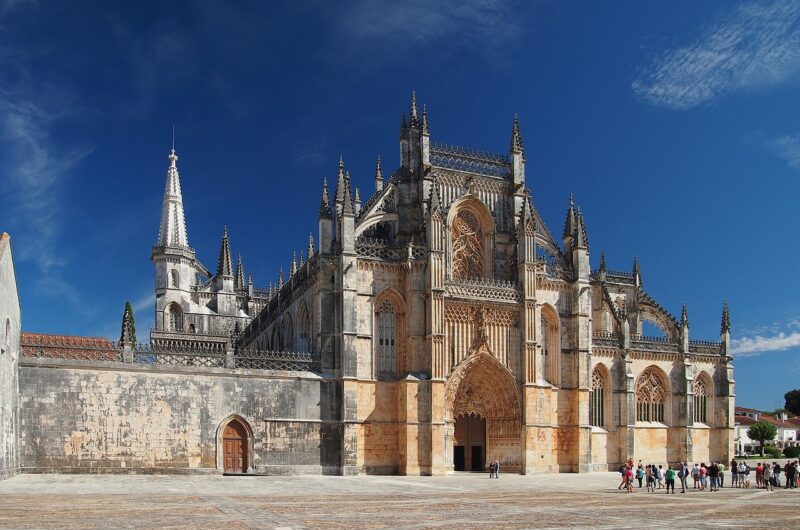
Batalha Monastery – Located in the municipality of Batalha, Leiria, the monastery is a Dominican convent, originally and officially known as the Monastery of Saint Mary of Victory. However, as this is quite a mouthful, locals transferred to simply giving it the town’s name. The monastery was established to commemorate the losses and winnings of the 1385 Battle of Aljubarrota. It remained to play the part of a burial church for the 15th-century royal dynasty of Aviz. As with everything else on the list, the Monastery shows a great mixture of styles, the main being the Late Flamboyant Gothic architecture, combined with Manueline style.
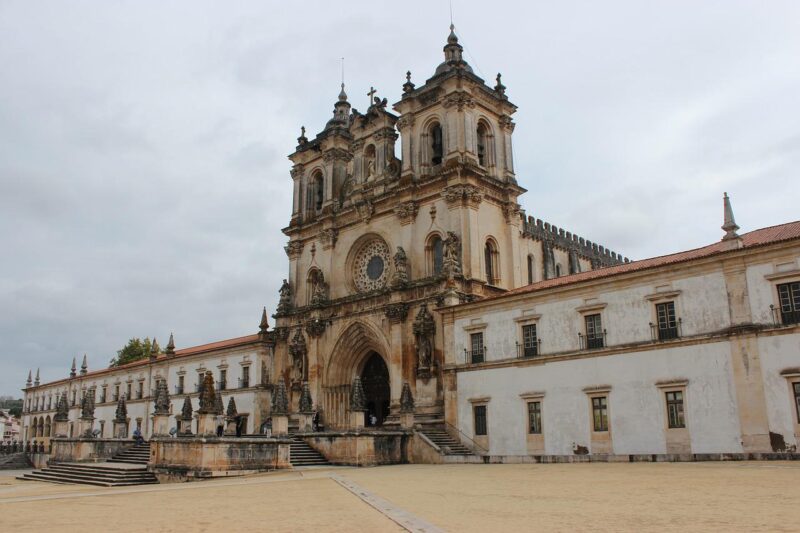
Alcobaca Monastery – The last of the three, Alcobaca Monastery, is a Catholic monastic complex in central Portugal, not too far from Lisbon. It was built by the Portuguese King Afonso Henriques and inevitably established close relations with all of the Portuguese royalty later on. Alcobaca was the very first Gothic establishment in the country, making it the most important medieval castle in Portugal. Due to its artistic, cultural, and historical relevance, the monastery was recognized by UNESCO as a World Heritage Site. Visit to explore the grounds and see royal tombs, Manueline vault and entrance to the sacristy, and the impressive Renaissance water basin within the Gothic fountain!
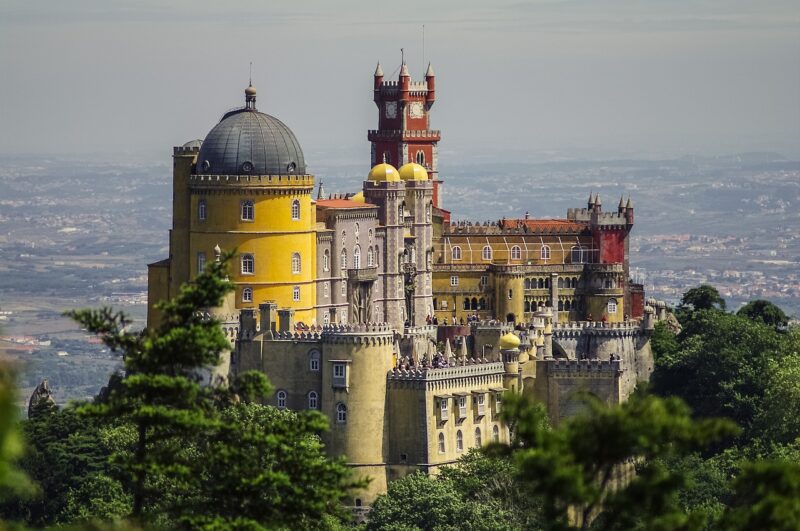
Pena Palace – Our wonders have come to an end, but Portugal is proud to present the most impressive Romantic castle of the Middle Ages – the Pena Palace. The castle sits on the hill above Sintra Mountains, overlooking the whole town of Sintra and giving you the best panoramic views. It is a national monument in Portugal and, to this day, is one of the world’s most important major expressions of 19th-century Romanticism. The sanctuary was loved by the Portuguese royalty, and for centuries, the Pena Palace was a quaint, quiet place of meditation and relaxation. Unfortunately, the palace was massively damaged due to natural causes in the 18th century, yet it managed to rebuild into what it is now!
Get ready for an unforgettable journey through Portugal and its magnificent sites. It is truly amazing how many beautiful places are in one place. Dear Portugal, you are a wonder in itself!
Article edited by Mark Webber