
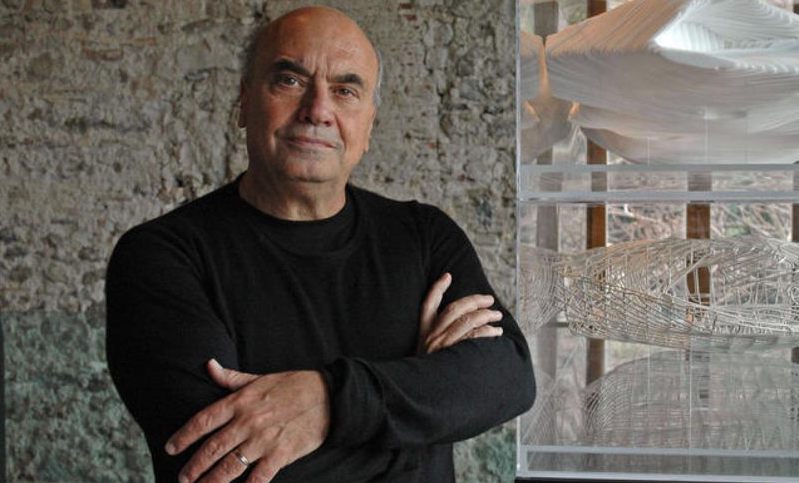
Massimiliano Fuksas, born in Rome on January 9, 1944, son of a Lithuanian doctor of Jewish religion, emigrated from his country after the annexation to Soviet Russia and of an Italian Catholic of French and Austrian origin. After the premature death of his father, he moved to Graz with his maternal grandmother.
 At the end of the 50s, he returned to Rome to attend high school. In recent years, he has had the opportunity to meet important representatives of Italian culture of the time, including Asor Rosa (his professor of Italian at the high school), Pasolini, and Caproni. He also met Giorgio De Chirico and worked in his studio in Piazza di Spagna, where he became passionate about art and decided to enrol in the Faculty of Architecture of La Sapienza.
 While still a student, he travels around Europe, works and collaborates with various architectural firms in London and Copenhagen. In Italy, he was a pupil of Bruno Zevi, from whom he took up again the taste for the impetuous gesture, for the unfinished, always far from the academic culture and the designed architecture, at the time dominant in Italy. Two years before graduating in 1967, he opened a studio in Rome, the GRANMA. He graduated in 1969 with Ludovico Quaroni and remained at the university for a few years as an assistant to Arnaldo Bruschi.

In 1982, with the project for the gymnasium of the Municipality of Paliano, published by the French magazine Architecture d’Aujourd’hui, the studio GRANMA achieved fame in France. The sloping and detached facade, in a system of apparently unstable equilibriums, makes the perception of the users engrossing and, inserting itself in the context of Postmodern architecture, attracts the attention of the international press.
 In 1994, he was elected to the board of directors of the Institut Français d’Architecture. From 1994 to 1997, he was a member of the town planning commissions of Berlin and Salzburg. In 2000, Fuksas was appointed director of the VII International Architecture Exhibition in Venice, entitled Less Aesthetics, More Ethics. The Biennale is dedicated to the theme of the contemporary city, with a particular focus on the megalopolises of the 21st century.
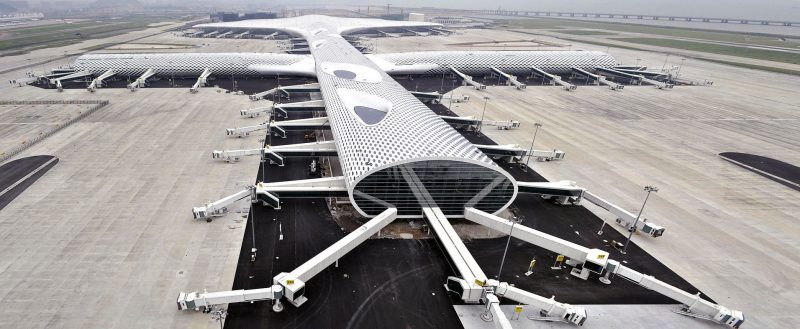
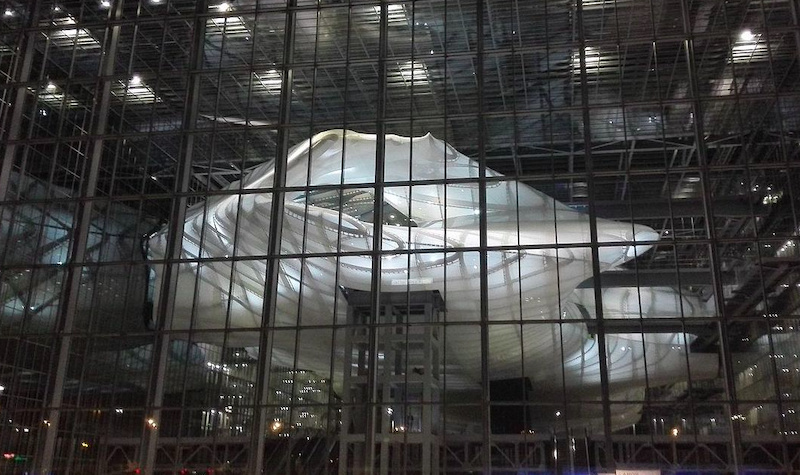
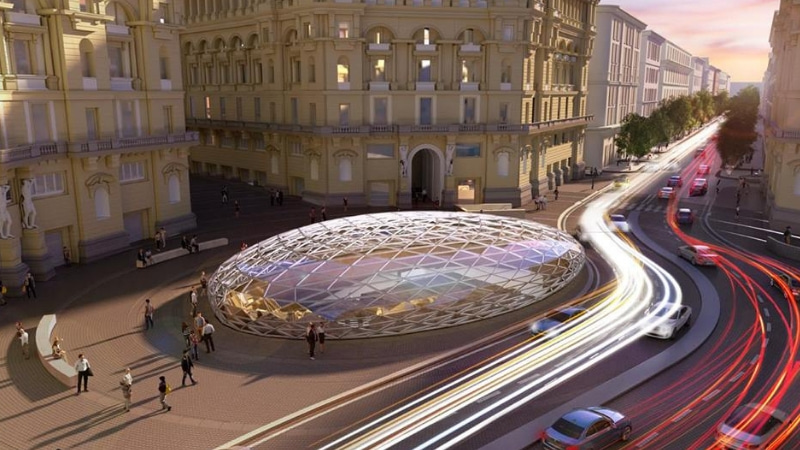
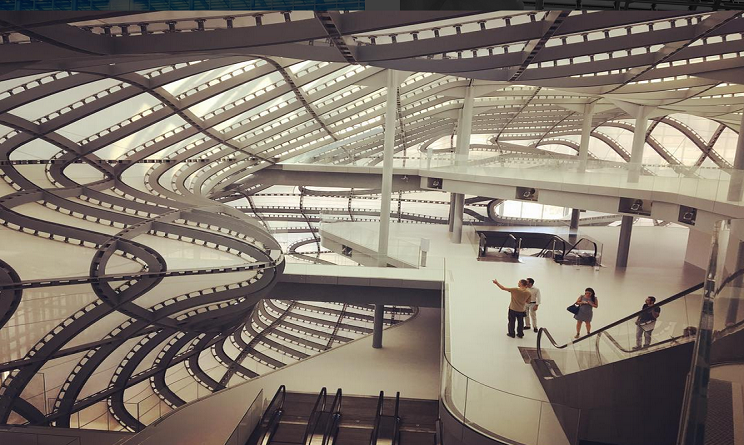 Over the years, he has designed and created many works, mainly in Europe, the United States and China. Currently, Studio Fuksas is based in Rome, Paris and Shenzhen in China. Among the projects carried out, La famosa Nuvola- il Centro Congressi Roma EUR, the project for the new Polo Fiera Milano in Rho-Pero in Milan, the well-known location of the Salone del Mobile, and in Naples, in the historic heart of the Neapolitan city between the need to renew the metro network and the historicity of places and artifacts, the Duomo Station. In 2008, he won the competition for the construction of the new terminal at Shenzhen Airport (China). Shenzhen-Bao’an Airport is one of the three largest hubs in southern China. Among the main features of the new construction, the new terminal, which covers an area of 500,000 square meters, contains 63 gates and a commercial space inside; the shape of the roof resembles a manta ray and is covered with a double honeycomb skin. The structure is 1.5 kilometres long and 80 meters wide.
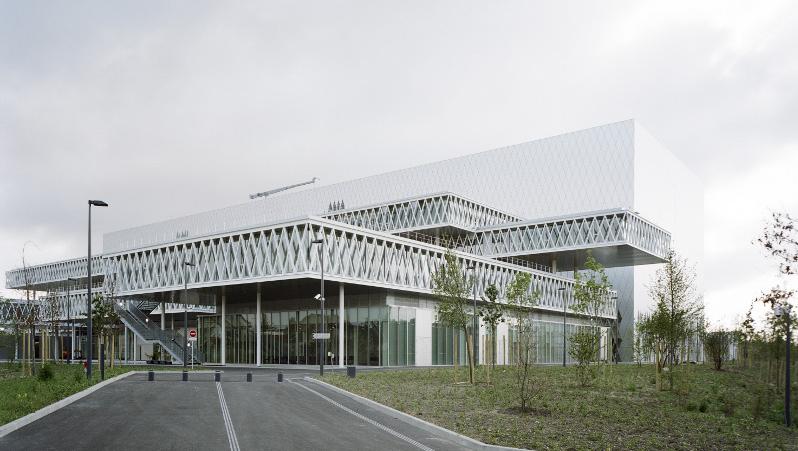 Studio Fuksas has been commissioned to design two further phases of the airport extension, which will be completed in 2025 and 2035, respectively. In 2013, at the “Idea-Tops Awards” in China, the Shenzhen Bao’an International Airport – T3 was awarded as “Best Transportation Space”. In 2014, the project received both the “Architizer A+ Award” and the “Architizer A+ Popular Choice Award” in the “Transport – Airports” category in New York.
Article edited by Antonio Lo Re